Genre
breakcore
Top Breakcore Artists
Showing 25 of 2,786 artists


About Breakcore
Breakcore is a deliberately unruly branch of electronic music that treats rhythm as a weapon and tempo as a playground. Born in the mid- to late-1990s from the industrial edge of hardcore techno, jungle and breakbeat, it grafts distorted breaks, glitchy edits, and an appetite for maximal collage. Tracks sprint at blistering speeds—often 170 to 230 BPM—yet can contract to half-time or skip across meters, lurching from brittle anxiety to brutal, narcotic basslines. The result is a sound world that feels like a riot in a sampler: breaks riffing against each other, samples slammed through walls of distortion, and melodies that flicker in and out of recognition.
Origins are debated, but the main currents are clear: European producers in clubs and DIY labels in the 1990s fused the relentless breaks of jungle with the aggressiveness of hardcore and the abrasive edge of industrial and noise. The term breakcore began to circulate in the underground scene around the late 1990s, with labels such as Planet Mu releasing early exemplars and artists pushing the genre toward extreme tempo shifts and cross‑genre sampling. The aesthetic has always thrived on fearless, sometimes unsettling juxtapositions—funny samples next to brutal snare hits, sweet piano lines torn apart by a blast of distortion, a melody folded into a blast of breakbeats.
Venetian Snares (Aaron Funk) is widely recognized as a central figure, turning breakbeats into hyper‑composed mini symphonies and earning a devoted following with intricate timing and brain‑tickling melodies. Other ambassadors followed: Alec Empire and his digital hardcore lineage; Shitmat, who injected anarchic humor and a cut‑and‑paste sensibility; Bong-Ra, Doormouse and DJ Scotch Egg, who pushed the sound toward harder textures and hybrid forms; Kid606 and Enduser, who helped popularize breakcore in North America and Europe. Igorrr later broadened breakcore’s palette by fusing baroque and metal elements into the rush of breakbeats. These artists didn’t just make records; they fostered a culture of aggressive experimentation, uncompromising sounds, and DIY resilience.
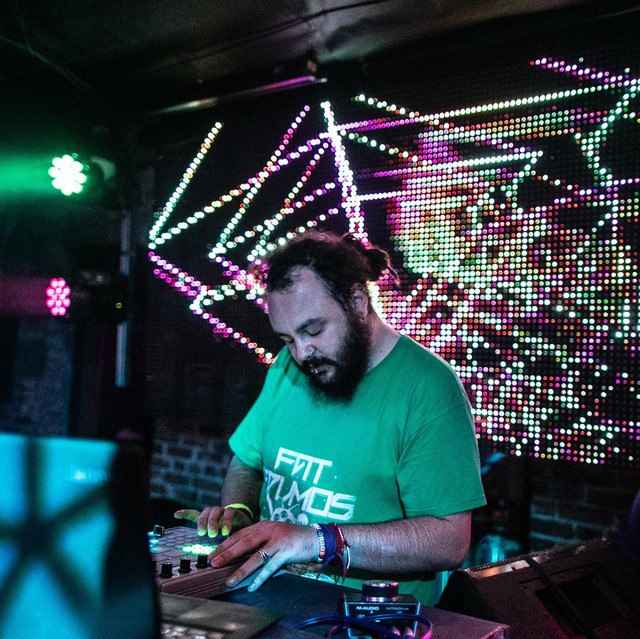
Geographically, breakcore remains strongest in Europe and North America, with particularly vital scenes in the United Kingdom, Germany, and Finland, plus a storied obsession in Japan’s experimental and noise circles. Canada’s Montreal scene and several U.S. cities have kept the flame alive through clubs, raves, and labels that praise jackknife edits and furious energy. The genre’s labels—Planet Mu and a constellation of independent imprints—offer a home for boundary-pushing releases, compilation series, and cross‑genre collaborations. Live performances are notorious for their intensity: laptops, samplers, sometimes live drums or guitars, battered electronics, and MCs who chant or scream over the chaos.
In short, breakcore is not a single style but a philosophy: a refusal to sit still, a love of tectonic tempo shifts, and a willingness to braid disparate sounds into a single, ecstatic upheaval. For enthusiasts, it’s a reminder that rhythm can be a weapon, but also a playground without rules. Today, new producers keep remixing breakcore with industrial techno, cybergrind, and hyperpop‑inflected textures, ensuring its vitality and occasional crossover into broader electronic scenes, live streams, and festival stages worldwide.
Origins are debated, but the main currents are clear: European producers in clubs and DIY labels in the 1990s fused the relentless breaks of jungle with the aggressiveness of hardcore and the abrasive edge of industrial and noise. The term breakcore began to circulate in the underground scene around the late 1990s, with labels such as Planet Mu releasing early exemplars and artists pushing the genre toward extreme tempo shifts and cross‑genre sampling. The aesthetic has always thrived on fearless, sometimes unsettling juxtapositions—funny samples next to brutal snare hits, sweet piano lines torn apart by a blast of distortion, a melody folded into a blast of breakbeats.
Venetian Snares (Aaron Funk) is widely recognized as a central figure, turning breakbeats into hyper‑composed mini symphonies and earning a devoted following with intricate timing and brain‑tickling melodies. Other ambassadors followed: Alec Empire and his digital hardcore lineage; Shitmat, who injected anarchic humor and a cut‑and‑paste sensibility; Bong-Ra, Doormouse and DJ Scotch Egg, who pushed the sound toward harder textures and hybrid forms; Kid606 and Enduser, who helped popularize breakcore in North America and Europe. Igorrr later broadened breakcore’s palette by fusing baroque and metal elements into the rush of breakbeats. These artists didn’t just make records; they fostered a culture of aggressive experimentation, uncompromising sounds, and DIY resilience.
Geographically, breakcore remains strongest in Europe and North America, with particularly vital scenes in the United Kingdom, Germany, and Finland, plus a storied obsession in Japan’s experimental and noise circles. Canada’s Montreal scene and several U.S. cities have kept the flame alive through clubs, raves, and labels that praise jackknife edits and furious energy. The genre’s labels—Planet Mu and a constellation of independent imprints—offer a home for boundary-pushing releases, compilation series, and cross‑genre collaborations. Live performances are notorious for their intensity: laptops, samplers, sometimes live drums or guitars, battered electronics, and MCs who chant or scream over the chaos.
In short, breakcore is not a single style but a philosophy: a refusal to sit still, a love of tectonic tempo shifts, and a willingness to braid disparate sounds into a single, ecstatic upheaval. For enthusiasts, it’s a reminder that rhythm can be a weapon, but also a playground without rules. Today, new producers keep remixing breakcore with industrial techno, cybergrind, and hyperpop‑inflected textures, ensuring its vitality and occasional crossover into broader electronic scenes, live streams, and festival stages worldwide.