Genre
british brass band
Top British brass band Artists
Showing 25 of 60 artists








About British brass band
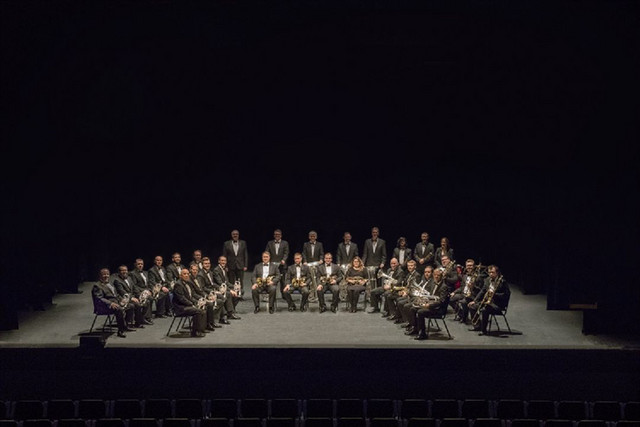
British brass band is a vibrant, distinctly British musical current built around large brass ensembles that typically number in the mid-twenties to thirties. Its history is inseparable from Britain’s industrial heartlands: coalfields, mills and factories where workers, churches, and temperance societies formed groups to make music, boost morale, and entertain communities. By the second half of the 19th century, these democratic, volunteer bands had crystallized into a recognizable format with standardized instrumentation and a brisk, march‑like energy. The contest tradition followed soon after, turning rehearsals into rivalries and tours into national spectacles. The modern brass band remains a social phenomenon as much as a concert form, linking generations through shared repertoire and performances in schools, pubs, and festivals.
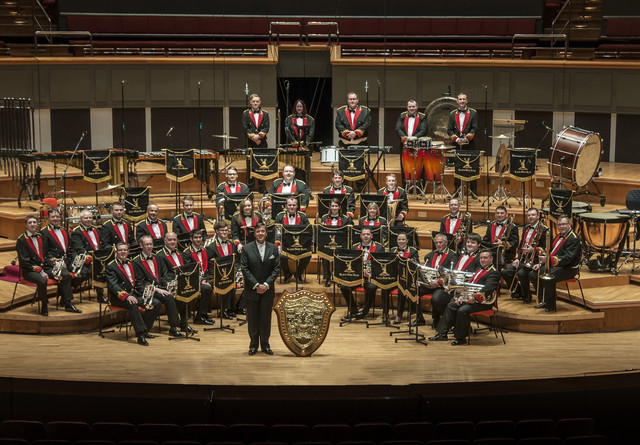
The typical brass band front line is built from cornets and flugelhorns, supported by horns such as euphoniums and baritones, then trombones and basses, with a percussion section providing color and propulsion. Repertoire spans original commissions, arrangements of marches and hymns, overtures, film music, and contemporary concert works. A hallmark of the genre is the “test piece” in contests—a new, demanding work selected for the National Championships and similar events that pushes players’ technique and ensemble balance.
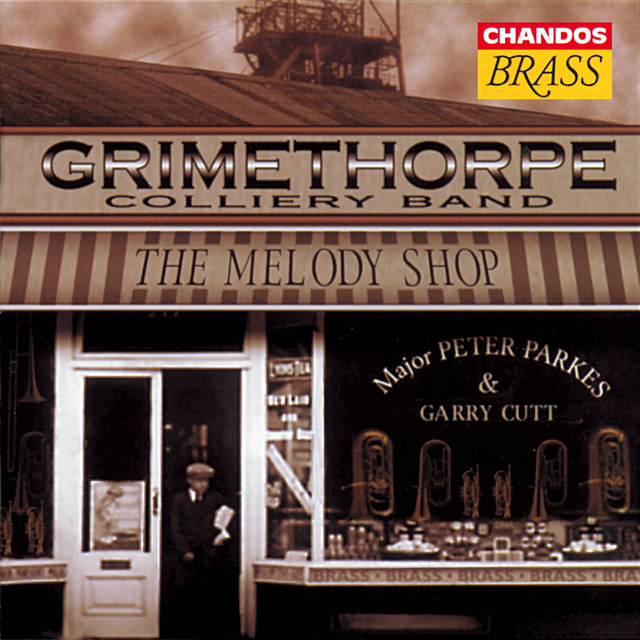
The British brass band has produced a galaxy of iconic ensembles and ambassadors. Black Dyke Band and Grimethorpe Colliery Band are among the most instantly recognizable names, celebrated for their sonorous, unified textures and dramatic presence. Foden’s Band, Cory Band, and several regional outfits have kept the tradition vibrant by nurturing top players and inventive programming. The cinema helped propel the genre beyond its heartlands: the 1990 film Brassed Off popularized the experience of a pit-band facing closure, and its soundtrack introduced many listeners to the warmth and grit of the brass-band sound.
Across the world, the genre has found hospitable audiences in Australia, New Zealand, Canada, and parts of continental Europe, where local groups imitate and adapt the British model while adding their own regional flavors. European and World Brass Band Championships congregate the best bands from dozens of nations, showcasing the format’s adaptability to a broad, technical, and expressive repertoire. In addition to professional bands, youth and community programs, such as the National Youth Brass Band of Great Britain, feed the pipeline of talent and broaden access to this music.
Beyond the concert hall, the brass band is a living community: weekly rehearsals in towns and villages, education programs for youngsters, and annual tours that keep the music moving. Pushing sound toward new possibilities while honoring tradition, British brass bands remain one of the most engaging, resilient, and shared musical experiences in the Anglophone world.
The typical brass band front line is built from cornets and flugelhorns, supported by horns such as euphoniums and baritones, then trombones and basses, with a percussion section providing color and propulsion. Repertoire spans original commissions, arrangements of marches and hymns, overtures, film music, and contemporary concert works. A hallmark of the genre is the “test piece” in contests—a new, demanding work selected for the National Championships and similar events that pushes players’ technique and ensemble balance.
The British brass band has produced a galaxy of iconic ensembles and ambassadors. Black Dyke Band and Grimethorpe Colliery Band are among the most instantly recognizable names, celebrated for their sonorous, unified textures and dramatic presence. Foden’s Band, Cory Band, and several regional outfits have kept the tradition vibrant by nurturing top players and inventive programming. The cinema helped propel the genre beyond its heartlands: the 1990 film Brassed Off popularized the experience of a pit-band facing closure, and its soundtrack introduced many listeners to the warmth and grit of the brass-band sound.
Across the world, the genre has found hospitable audiences in Australia, New Zealand, Canada, and parts of continental Europe, where local groups imitate and adapt the British model while adding their own regional flavors. European and World Brass Band Championships congregate the best bands from dozens of nations, showcasing the format’s adaptability to a broad, technical, and expressive repertoire. In addition to professional bands, youth and community programs, such as the National Youth Brass Band of Great Britain, feed the pipeline of talent and broaden access to this music.
Beyond the concert hall, the brass band is a living community: weekly rehearsals in towns and villages, education programs for youngsters, and annual tours that keep the music moving. Pushing sound toward new possibilities while honoring tradition, British brass bands remain one of the most engaging, resilient, and shared musical experiences in the Anglophone world.