Genre
british choir
Top British choir Artists
Showing 20 of 20 artists



About British choir
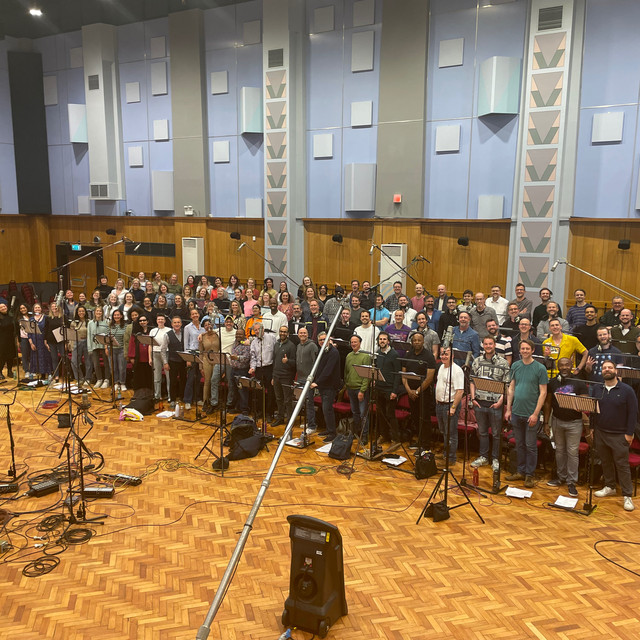
British choir is not a single genre but a living tradition, a core of English choral music rooted in church missions, scenes of cathedral architecture, and academically charged college chapels. It's characterized by a blend of liturgical function and concert artistry: pure vocal sonorities, intricate polyphonic lines, and a storytelling sense that leans on the text.
Origins go back to medieval England, with the introduction of Latin liturgy and plainchant in monastic communities; gradually, English composers began adding counterpoint and harmonies. The Renaissance flourished with figures such as Thomas Tallis and William Byrd, who wrote massive multi-voice anthems and sacred motets that still sound contemporary in their clarity and balance. The English choral tradition matured in the Anglican church, particularly in cathedral and college chapels, where daily services carved out a living repertoire of services (the morning and evening canticles) and anthems.
The Victorian era saw expansion of the choir as public concert experiences, while the 20th century produced a wealth of choral writing from Ralph Vaughan Williams, Gustav Holst, and Benjamin Britten, along with a prolific generation of church composers like Hubert Parry and Herbert Howells. In recent decades, British choirs have become ambassadors of both ancient and contemporary repertoire, merging discipline with expressive storytelling.
Key ensembles and figures include:
- The Choir of King’s College, Cambridge, famous for its Advent and Christmas broadcasts and the annual Festival of Nine Lessons and Carols, which made British choral sound imprinted in popular culture worldwide.
- The Sixteen, an ensemble founded in the late 1970s under Harry Christophers, renowned for crisp, luminous early music and increasingly contemporary sacred works.
- The Tallis Scholars, devoted to Tudor and Renaissance polyphony, whose name has become a synonym for English sacred music in the modern era.
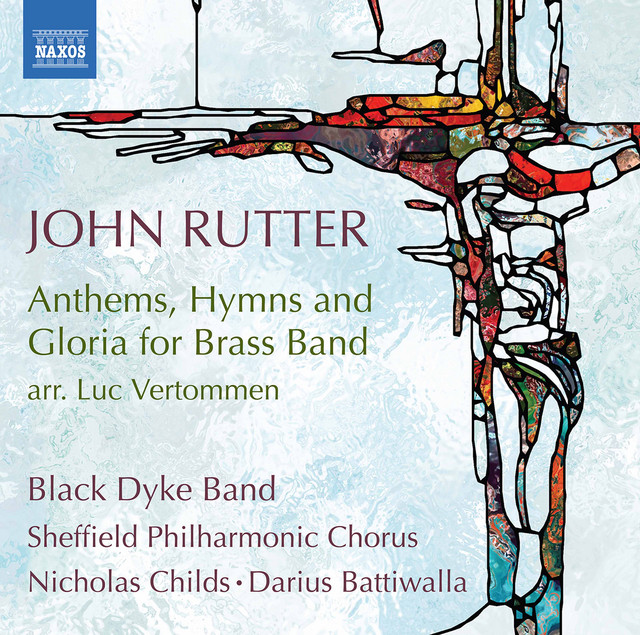
- The Cambridge Singers, John Rutter’s celebrated choir, and his own compositions (Requiem, Mass of the Children) have helped popularize contemporary British choral sound far beyond church walls.
- The King’s Singers, a British male-voice sextet famed for virtuosic, versatile a cappella programming across languages and styles.
In terms of geography, British choral music has found audiences worldwide. It remains rooted in the United Kingdom and the broader Commonwealth (Canada, Australia, New Zealand, South Africa, India), but it also enjoys substantial followings in the United States, continental Europe, and increasingly in East Asia (Japan, South Korea) where universities and festivals celebrate English choral traditions alongside local repertoires.
If you chase a sense of majesty, precision, and emotive narrative through human voices, the British choir offers a compelling journey—from medieval chant to modern concert pieces, from church to the concert hall. Repertoire ranges from Tallis's Spem in alium, a monumental 40-voice Renaissance jewel, to Byrd's and Purcell's anthems, to Britten's War Requiem and Howells's intimate settings. John Rutter's carols and Cambridge Singers have helped bring choral music into living rooms and concert halls alike. British choirs often perform unaccompanied or with organ, and their sound relies on a careful blend, precise diction, and expressive text-setting. The acoustic of a great cathedral—long reverberation, stone and wood—shapes the legato lines, inviting listeners into spacious, glowing choral textures. The genre continues to thrive across stages and festivals worldwide.
Origins go back to medieval England, with the introduction of Latin liturgy and plainchant in monastic communities; gradually, English composers began adding counterpoint and harmonies. The Renaissance flourished with figures such as Thomas Tallis and William Byrd, who wrote massive multi-voice anthems and sacred motets that still sound contemporary in their clarity and balance. The English choral tradition matured in the Anglican church, particularly in cathedral and college chapels, where daily services carved out a living repertoire of services (the morning and evening canticles) and anthems.
The Victorian era saw expansion of the choir as public concert experiences, while the 20th century produced a wealth of choral writing from Ralph Vaughan Williams, Gustav Holst, and Benjamin Britten, along with a prolific generation of church composers like Hubert Parry and Herbert Howells. In recent decades, British choirs have become ambassadors of both ancient and contemporary repertoire, merging discipline with expressive storytelling.
Key ensembles and figures include:
- The Choir of King’s College, Cambridge, famous for its Advent and Christmas broadcasts and the annual Festival of Nine Lessons and Carols, which made British choral sound imprinted in popular culture worldwide.
- The Sixteen, an ensemble founded in the late 1970s under Harry Christophers, renowned for crisp, luminous early music and increasingly contemporary sacred works.
- The Tallis Scholars, devoted to Tudor and Renaissance polyphony, whose name has become a synonym for English sacred music in the modern era.
- The Cambridge Singers, John Rutter’s celebrated choir, and his own compositions (Requiem, Mass of the Children) have helped popularize contemporary British choral sound far beyond church walls.
- The King’s Singers, a British male-voice sextet famed for virtuosic, versatile a cappella programming across languages and styles.
In terms of geography, British choral music has found audiences worldwide. It remains rooted in the United Kingdom and the broader Commonwealth (Canada, Australia, New Zealand, South Africa, India), but it also enjoys substantial followings in the United States, continental Europe, and increasingly in East Asia (Japan, South Korea) where universities and festivals celebrate English choral traditions alongside local repertoires.
If you chase a sense of majesty, precision, and emotive narrative through human voices, the British choir offers a compelling journey—from medieval chant to modern concert pieces, from church to the concert hall. Repertoire ranges from Tallis's Spem in alium, a monumental 40-voice Renaissance jewel, to Byrd's and Purcell's anthems, to Britten's War Requiem and Howells's intimate settings. John Rutter's carols and Cambridge Singers have helped bring choral music into living rooms and concert halls alike. British choirs often perform unaccompanied or with organ, and their sound relies on a careful blend, precise diction, and expressive text-setting. The acoustic of a great cathedral—long reverberation, stone and wood—shapes the legato lines, inviting listeners into spacious, glowing choral textures. The genre continues to thrive across stages and festivals worldwide.