Genre
broadway
Top Broadway Artists
Showing 25 of 31 artists




About Broadway
Broadway is more than a genre; it's a theatre-based musical tradition born in New York City's theatre district and refined across generations of composers, lyricists, librettists, and performers. The term often refers to the music of American stage shows produced on Broadway, though its influence extends far beyond the block. What sets Broadway apart is its fusion of storytelling and song: reversible arcs where songs advance plot, reveal character, or sharpen emotion, embedded in a continuous dramatic arc rather than a stand-alone concert.
Broadway's roots stretch from late-19th-century vaudeville and operetta to the early book musicals. The real turning point came with Show Boat (1927) by Kern and Hammerstein, where music and narrative interlocked to serve character psychology and social themes. The Broadway "book musical" matured throughout the 1930s and 1940s, culminating in the Rodgers and Hammerstein era with Oklahoma! (1943), which integrated songs with dialogue and dance to move the story forward.
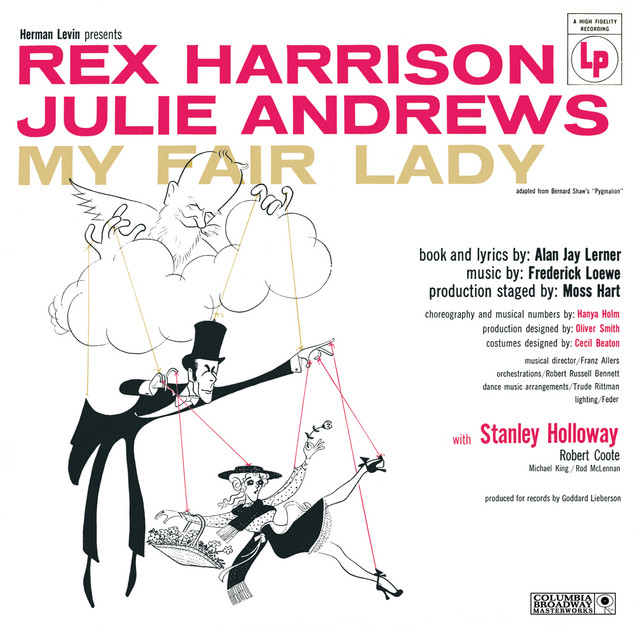
Golden Age and beyond: The 1950s-60s produced enduring classics—The King and I, The Sound of Music, My Fair Lady, West Side Story—by composers such as Rodgers, Hammerstein, Bernstein, and Lerner and Loewe. Broadway gave birth to legends: Betty Comden, Adolph Green, Stephen Sondheim, and later Andrew Lloyd Webber broadened its reach with The Phantom of the Opera and Jesus Christ Superstar. Lin-Manuel Miranda’s Hamilton (2015) reimagined showtunes with hip-hop and R&B, proving Broadway's capacity to reinvent itself while staying rooted in ritual storytelling.
Ambassadors and performers: above all, the writer-performer ecosystem—singers who can deliver a ballad with nuance and then lock into a fast ensemble—defines Broadway. Judy Garland and later Barbra Streisand, though not exclusively Broadway, championed show tunes in pop culture. In contemporary theatres, performers like Patti LuPone, Audra McDonald, Mandy Patinkin, Kristin Chenoweth, Idina Menzel, and Ben Platt carry the tradition, while stage legends such as Harold Prince (a pivotal director-producer) shaped the modern book.
Geography and audience: Broadway is an American art form with global resonance. The West End in London remains its closest rival, but Broadway shows enjoy enthusiastic runs in Tokyo, Seoul, Sydney, and across Europe, where translated productions and adaptations keep the genre vital. The music itself draws from Broadway's palette—operatic legato, jazz-inflected rhythm sections, gospel-infused harmonies, and rock-leaning energy—yet remains unmistakably theatrical, designed to be sung live with an orchestra and a chorus.
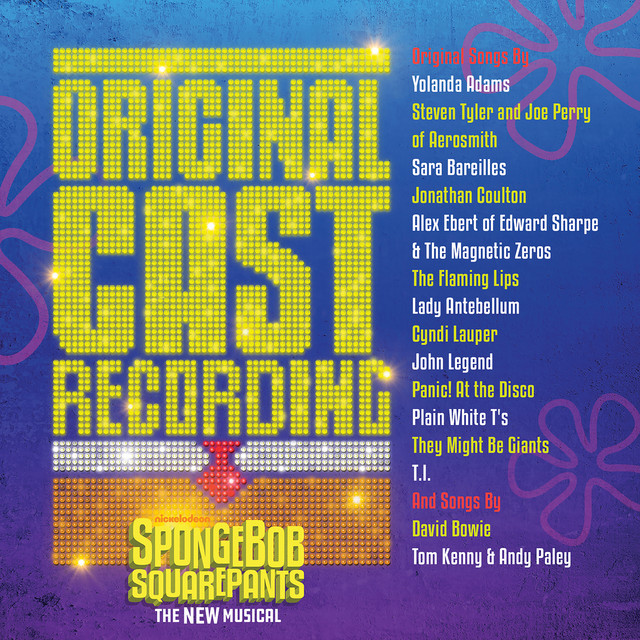
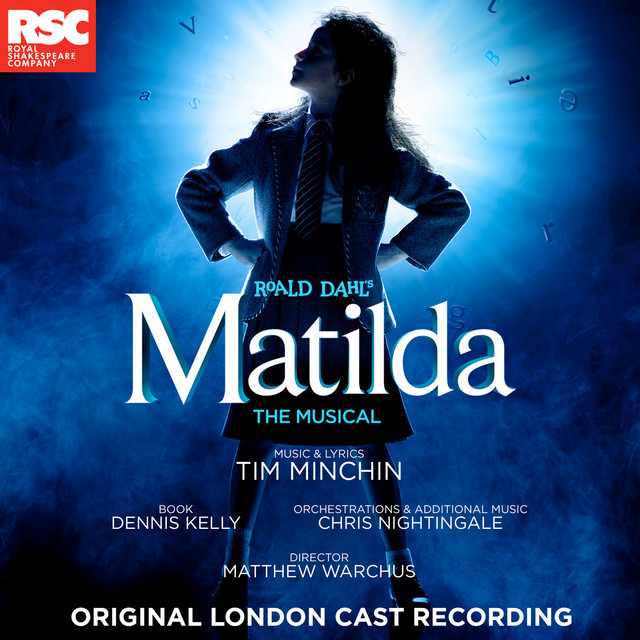
Today, Broadway musicals traverse languages and cultures, while some productions spawn original cast recordings that circulate globally as listening experiences independent of the stage. For enthusiasts, Broadway offers more than songs; it offers a language for drama, a craft for arrangement, and a tradition of collaboration where composers, lyricists, and performers fuse to create moments that endure in memory as much as in the score.
Beyond nostalgia, Broadway remains a laboratory for musical invention. Each era adds a new voice to the canon—jazz-inflected scores, rock-infused musicals, intimate chamber pieces, and large-scale spectacle—while keeping the essential impulse: to tell a story with song in real time. For the devoted listener, Broadway is a living, communal experience.
Broadway's roots stretch from late-19th-century vaudeville and operetta to the early book musicals. The real turning point came with Show Boat (1927) by Kern and Hammerstein, where music and narrative interlocked to serve character psychology and social themes. The Broadway "book musical" matured throughout the 1930s and 1940s, culminating in the Rodgers and Hammerstein era with Oklahoma! (1943), which integrated songs with dialogue and dance to move the story forward.
Golden Age and beyond: The 1950s-60s produced enduring classics—The King and I, The Sound of Music, My Fair Lady, West Side Story—by composers such as Rodgers, Hammerstein, Bernstein, and Lerner and Loewe. Broadway gave birth to legends: Betty Comden, Adolph Green, Stephen Sondheim, and later Andrew Lloyd Webber broadened its reach with The Phantom of the Opera and Jesus Christ Superstar. Lin-Manuel Miranda’s Hamilton (2015) reimagined showtunes with hip-hop and R&B, proving Broadway's capacity to reinvent itself while staying rooted in ritual storytelling.
Ambassadors and performers: above all, the writer-performer ecosystem—singers who can deliver a ballad with nuance and then lock into a fast ensemble—defines Broadway. Judy Garland and later Barbra Streisand, though not exclusively Broadway, championed show tunes in pop culture. In contemporary theatres, performers like Patti LuPone, Audra McDonald, Mandy Patinkin, Kristin Chenoweth, Idina Menzel, and Ben Platt carry the tradition, while stage legends such as Harold Prince (a pivotal director-producer) shaped the modern book.
Geography and audience: Broadway is an American art form with global resonance. The West End in London remains its closest rival, but Broadway shows enjoy enthusiastic runs in Tokyo, Seoul, Sydney, and across Europe, where translated productions and adaptations keep the genre vital. The music itself draws from Broadway's palette—operatic legato, jazz-inflected rhythm sections, gospel-infused harmonies, and rock-leaning energy—yet remains unmistakably theatrical, designed to be sung live with an orchestra and a chorus.
Today, Broadway musicals traverse languages and cultures, while some productions spawn original cast recordings that circulate globally as listening experiences independent of the stage. For enthusiasts, Broadway offers more than songs; it offers a language for drama, a craft for arrangement, and a tradition of collaboration where composers, lyricists, and performers fuse to create moments that endure in memory as much as in the score.
Beyond nostalgia, Broadway remains a laboratory for musical invention. Each era adds a new voice to the canon—jazz-inflected scores, rock-infused musicals, intimate chamber pieces, and large-scale spectacle—while keeping the essential impulse: to tell a story with song in real time. For the devoted listener, Broadway is a living, communal experience.