Genre
bulgarian experimental
Top Bulgarian experimental Artists
Showing 11 of 11 artists

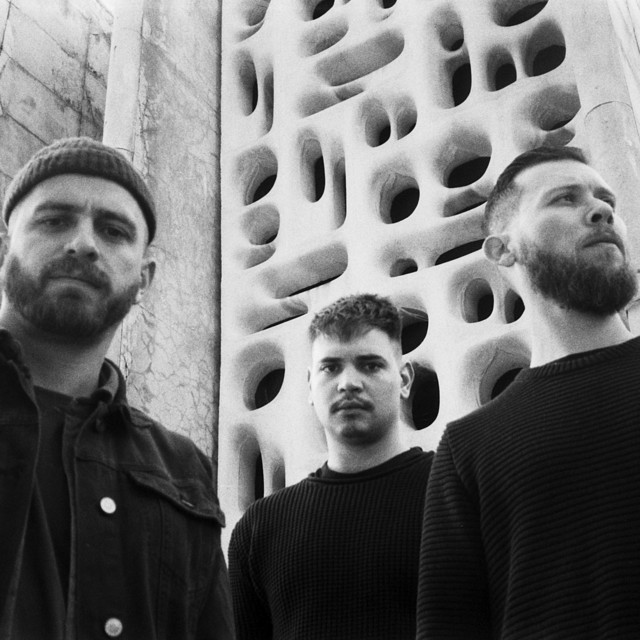


About Bulgarian experimental
Bulgarian experimental is a niche field where the echoes of folk tradition meet the edge of contemporary sound art. It’s not a single sound, but a practice: performers and composers in Bulgaria push boundaries by blending field recordings, electronics, improvised textures, and sometimes throat or traditional instrument timbres with a post-digital sensibility. The result is music that can feel at once rooted in place and unanchored in time, inviting listeners to hear Bulgaria through an unfamiliar, forward-looking lens.
Origins for this current stretch back to the late 1980s and early 1990s, when Bulgaria’s cultural landscape opened up after the end of state-controlled publishing and broadcasting. In those years, underground rehearsal rooms, artist-run spaces, and small independent labels created fertile ground for risk-taking. By the turn of the century, a new wave of Bulgarian sound artists began to experiment with the sonic potential of the region’s acoustic heritage—gadulka drones, kaval flurries, bagpipe timbres, and tambura-like resonances—reimagined through synths, laptops, granular processing, and field recordings. The scene grew especially vibrant in cities like Sofia, Plovdiv and Varna, where student collectives and contemporary music ensembles could collaborate with artists across spheres of performance, installation, and cinema.
What characterizes Bulgarian experimental today is a hunger for texture, place, and process. Pieces often unfold in non-linear arcs: quiet, processed folk-inflected tones might drift into abrasive digital noise; a field recording of bells or water can become a source for spectral analysis; voices—whether sung, spoken, or whispered—are treated as instruments rather than narrative carriers. Improvisation plays a central role, but it is not mere chance: it’s a careful negotiation between intention and spontaneity, between Bulgarian timbres and global avant-garde language. The result is music that rewards repeated listenings, inviting enthusiasts to decipher layers of resonance—an old church echo, a street sound, a digital glitch—engaging the listener in a map of sound that is at once intimate and expansive.
Ambassadors of this scene often point to performers who bridge music, performance art, and experimental practice. One widely recognized name in the Bulgarian experimental milieu is Ivo Dimchev, a performer and musician whose work blends singing, physical theatre, and sound manipulation to challenge conventional stage and listening norms. He stands as a compelling figurehead for how Bulgarian experimental can live beyond concert halls, in the realm of live performance and multidisciplinary art. Beyond him, a generation of Sofia- and Bulgaria-based sound artists contribute through collaborations, live sets, and release platforms that emphasize atmosphere, texture, and site-specific ideas. While not every practitioner achieves international celebrity, the ecosystem thrives on independent labels, small festivals, and open studios that encourage cross-border dialogue with neighboring Balkan scenes and broader European experimental networks.
In terms of geographic reach, Bulgarian experimental tends to be most visible within Bulgaria and the Balkan region, with sustained curiosity from European audiences and collectors who follow underground and improvised music circles. The internet has helped these artists reach global listeners, but the strongest impact remains local: a living, breathing scene that continues to push the boundaries of sound while quietly preserving a sense of place—dusty halls, mountains, city skylines—so that Bulgarian experimental feels both physically grounded and eerily future-facing. If you’re a music enthusiast hungry for textures that resist easy categorization, Bulgarian experimental offers a compelling, evolving map of sound from the Balkans.
Origins for this current stretch back to the late 1980s and early 1990s, when Bulgaria’s cultural landscape opened up after the end of state-controlled publishing and broadcasting. In those years, underground rehearsal rooms, artist-run spaces, and small independent labels created fertile ground for risk-taking. By the turn of the century, a new wave of Bulgarian sound artists began to experiment with the sonic potential of the region’s acoustic heritage—gadulka drones, kaval flurries, bagpipe timbres, and tambura-like resonances—reimagined through synths, laptops, granular processing, and field recordings. The scene grew especially vibrant in cities like Sofia, Plovdiv and Varna, where student collectives and contemporary music ensembles could collaborate with artists across spheres of performance, installation, and cinema.
What characterizes Bulgarian experimental today is a hunger for texture, place, and process. Pieces often unfold in non-linear arcs: quiet, processed folk-inflected tones might drift into abrasive digital noise; a field recording of bells or water can become a source for spectral analysis; voices—whether sung, spoken, or whispered—are treated as instruments rather than narrative carriers. Improvisation plays a central role, but it is not mere chance: it’s a careful negotiation between intention and spontaneity, between Bulgarian timbres and global avant-garde language. The result is music that rewards repeated listenings, inviting enthusiasts to decipher layers of resonance—an old church echo, a street sound, a digital glitch—engaging the listener in a map of sound that is at once intimate and expansive.
Ambassadors of this scene often point to performers who bridge music, performance art, and experimental practice. One widely recognized name in the Bulgarian experimental milieu is Ivo Dimchev, a performer and musician whose work blends singing, physical theatre, and sound manipulation to challenge conventional stage and listening norms. He stands as a compelling figurehead for how Bulgarian experimental can live beyond concert halls, in the realm of live performance and multidisciplinary art. Beyond him, a generation of Sofia- and Bulgaria-based sound artists contribute through collaborations, live sets, and release platforms that emphasize atmosphere, texture, and site-specific ideas. While not every practitioner achieves international celebrity, the ecosystem thrives on independent labels, small festivals, and open studios that encourage cross-border dialogue with neighboring Balkan scenes and broader European experimental networks.
In terms of geographic reach, Bulgarian experimental tends to be most visible within Bulgaria and the Balkan region, with sustained curiosity from European audiences and collectors who follow underground and improvised music circles. The internet has helped these artists reach global listeners, but the strongest impact remains local: a living, breathing scene that continues to push the boundaries of sound while quietly preserving a sense of place—dusty halls, mountains, city skylines—so that Bulgarian experimental feels both physically grounded and eerily future-facing. If you’re a music enthusiast hungry for textures that resist easy categorization, Bulgarian experimental offers a compelling, evolving map of sound from the Balkans.