Genre
bulgarian folk
Top Bulgarian folk Artists
Showing 25 of 32 artists



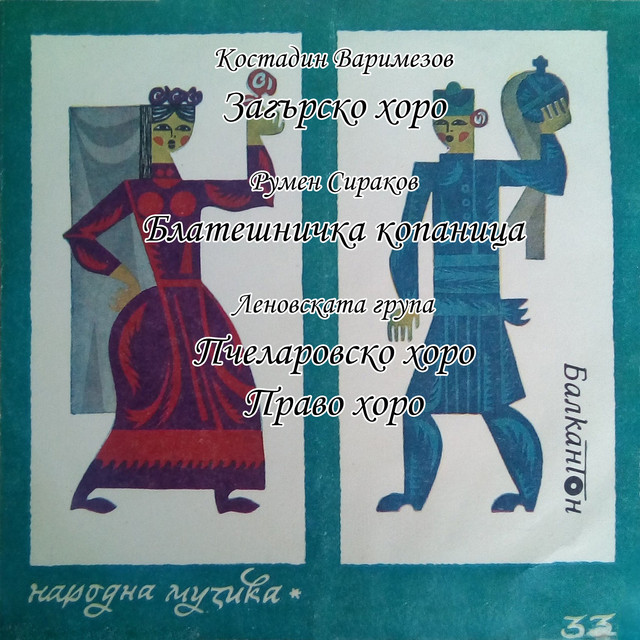


About Bulgarian folk
Bulgarian folk is a living, breathing archive of the Balkans, a music of mountains, villages and long-standing ritual that continues to resonate far beyond its homeland. It blends ancient oral traditions with the social life of weddings, harvests and religious feasts, creating a sound world that feels both intimate and expansive.
Origins and evolution
Bulgarian folk music has deep roots in rural life, with songs passed down orally for generations. In the 19th and early 20th centuries, a wave of collectors and composers—often working under imperfect political conditions—began to transcribe and preserve the repertoire. This period gave birth to a modern sense of Bulgarian folk as a concertable tradition, even while the original material remained rooted in village practice. In the mid-20th century, state-supported ensembles and folkloric choirs organized, studied and arranged traditional tunes for larger audiences, laying the groundwork for a distinctly “Bulgarian” sound on the concert stage and in recordings.
Musical traits you’ll notice
Bulgarian folk is notable for rhythmic complexity and vocal polyphony. Many songs move in unusual meters—7/8, 9/8, 11/8—and dancers’ steps mirror these asymmetrical patterns. Melodies are often sung with dramatic ornamentation and rapid phrasing, sometimes layered in close harmony or heterophony, where different voices weave around a common melody. The vocal approach ranges from intimate, solo lines to collective, shimmering choral effects. Instrumentally, traditional groups feature the gaida (bagpipe), kaval (flute), gadulka (bowed fiddle), tambura (long-necked lute) and various percussion, all contributing to a sound that feels both rustic and resonant.
Birth of the modern Bulgarian sound and ambassadors
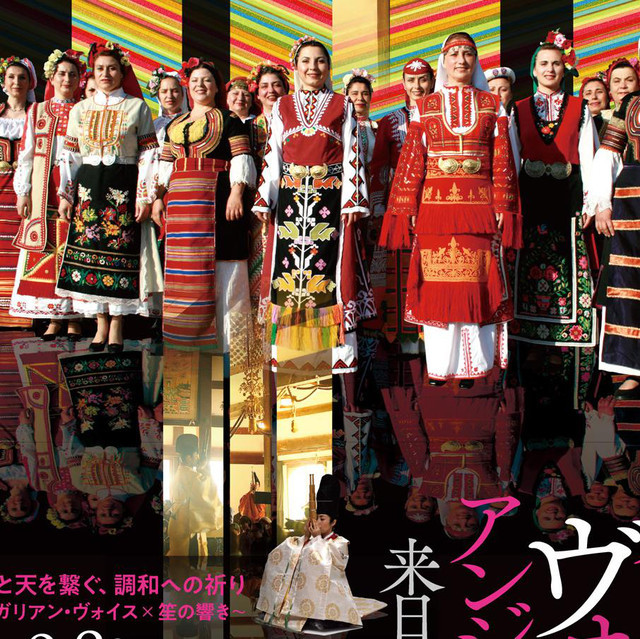
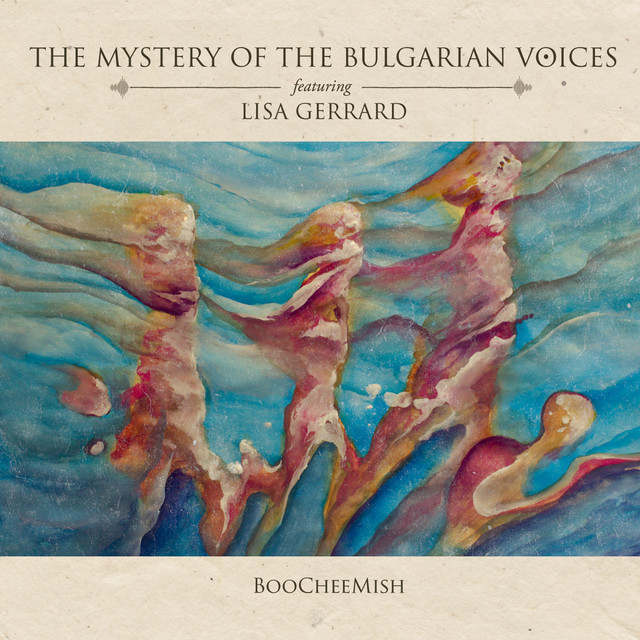
The 20th century saw key figures who shaped the genre’s modern identity. Filip Kutev and his ensembles were instrumental in shaping the “professional” Bulgarian folk sound, organizing and arranging folk material for choir and orchestra and spreading it internationally. On the performance circuit, the Bulgarian State Radio and later the Le Mystère des Voix Bulgares project brought Bulgarian polyphony to global audiences, popularizing the sound beyond Europe’s borders. From the Bulgarian folk scene also emerged iconic performers like Valya Balkanska, whose performance of Izlel e Delyo Haidutin became one of the most celebrated Bulgarian voices in the world; that song was later included on the Voyager Golden Record, hitching Bulgarian folk music to space exploration.
In the realm of contemporary fusion, artists such as Ivo Papazov—often called the “Prince of Bulgarian Wedding Music”—have expanded the genre by blending traditional dances with jazz, funk and other Balkan rhythms, keeping Bulgarian folk alive and relevant to new listeners.
Global reach and popularity
Beyond Bulgaria, Bulgarian folk enjoys particular resonance in the Balkans and among world-music audiences in Western Europe and North America. Festivals, academic study, and diaspora communities keep the tradition vibrant, while modern ensembles and crossover artists bring traditional textures to contemporary productions. Its influence is felt in both scholarly circles and popular concert stages, where the language of Bulgarian folk serves as a bridge between ancient ritual and 21st-century experimentation.
If you’re a music enthusiast, Bulgarian folk offers a rare combination: a sense of time immemorial yoked to living performance, rhythmic daring that challenges Western expectations, and a musical vocabulary that continues to evolve while staying deeply rooted in a storied cultural heritage.
Origins and evolution
Bulgarian folk music has deep roots in rural life, with songs passed down orally for generations. In the 19th and early 20th centuries, a wave of collectors and composers—often working under imperfect political conditions—began to transcribe and preserve the repertoire. This period gave birth to a modern sense of Bulgarian folk as a concertable tradition, even while the original material remained rooted in village practice. In the mid-20th century, state-supported ensembles and folkloric choirs organized, studied and arranged traditional tunes for larger audiences, laying the groundwork for a distinctly “Bulgarian” sound on the concert stage and in recordings.
Musical traits you’ll notice
Bulgarian folk is notable for rhythmic complexity and vocal polyphony. Many songs move in unusual meters—7/8, 9/8, 11/8—and dancers’ steps mirror these asymmetrical patterns. Melodies are often sung with dramatic ornamentation and rapid phrasing, sometimes layered in close harmony or heterophony, where different voices weave around a common melody. The vocal approach ranges from intimate, solo lines to collective, shimmering choral effects. Instrumentally, traditional groups feature the gaida (bagpipe), kaval (flute), gadulka (bowed fiddle), tambura (long-necked lute) and various percussion, all contributing to a sound that feels both rustic and resonant.
Birth of the modern Bulgarian sound and ambassadors
The 20th century saw key figures who shaped the genre’s modern identity. Filip Kutev and his ensembles were instrumental in shaping the “professional” Bulgarian folk sound, organizing and arranging folk material for choir and orchestra and spreading it internationally. On the performance circuit, the Bulgarian State Radio and later the Le Mystère des Voix Bulgares project brought Bulgarian polyphony to global audiences, popularizing the sound beyond Europe’s borders. From the Bulgarian folk scene also emerged iconic performers like Valya Balkanska, whose performance of Izlel e Delyo Haidutin became one of the most celebrated Bulgarian voices in the world; that song was later included on the Voyager Golden Record, hitching Bulgarian folk music to space exploration.
In the realm of contemporary fusion, artists such as Ivo Papazov—often called the “Prince of Bulgarian Wedding Music”—have expanded the genre by blending traditional dances with jazz, funk and other Balkan rhythms, keeping Bulgarian folk alive and relevant to new listeners.
Global reach and popularity
Beyond Bulgaria, Bulgarian folk enjoys particular resonance in the Balkans and among world-music audiences in Western Europe and North America. Festivals, academic study, and diaspora communities keep the tradition vibrant, while modern ensembles and crossover artists bring traditional textures to contemporary productions. Its influence is felt in both scholarly circles and popular concert stages, where the language of Bulgarian folk serves as a bridge between ancient ritual and 21st-century experimentation.
If you’re a music enthusiast, Bulgarian folk offers a rare combination: a sense of time immemorial yoked to living performance, rhythmic daring that challenges Western expectations, and a musical vocabulary that continues to evolve while staying deeply rooted in a storied cultural heritage.