Genre
bulgarian hip hop
Top Bulgarian hip hop Artists
Showing 25 of 54 artists







About Bulgarian hip hop
Bulgarian hip hop is a distinctly Balkan strand of the global hip hop family, born from the mid-to-late 1980s wave of street-level creativity that followed Bulgaria’s political transformation. It grew from the same impulse that sparked rap elsewhere—rhythmic speech, bold storytelling, and a desire to voice everyday life—but it did so in Bulgarian, weaving local slang, rhythms, and social realities into its soundscape. The earliest Bulgarian-language rhymes formed in clubs, on pirate radio, and through independent tapes, as young MCs and DJs absorbed American and Western European influences while rooting their work in local urban experiences.
Throughout the 1990s, the scene matured into a recognizable culture: crews and crews of MCs, DJs, and producers who traded tapes, hosted cyphers, and push-pedaled the music into Bulgaria’s provincial towns as well as its capital, Sofia. Production tended to be sample-based and boom-bap flavored in the beginning, but over the years it absorbed a wider palette—from Balkan folk inflections to contemporary electronic textures and, eventually, trap-influenced cadences. The genre’s growth coincided with Bulgaria’s digital shift, which helped local artists bypass traditional gatekeepers and reach audiences through online platforms, independent labels, and grassroots gigs.
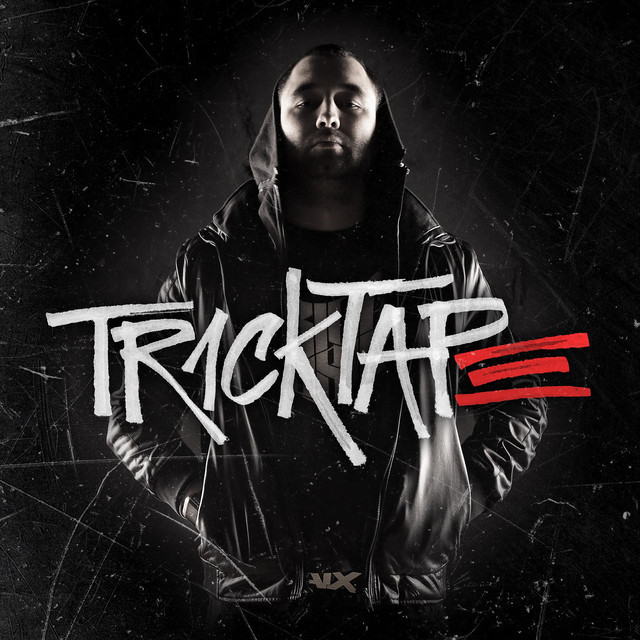
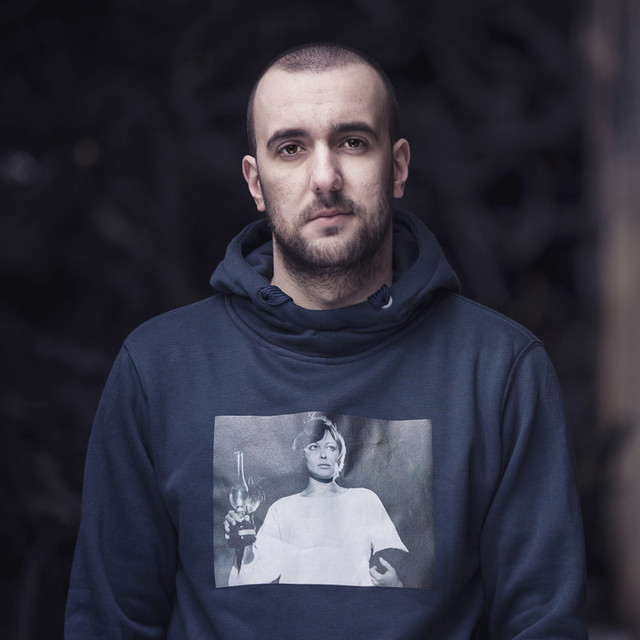
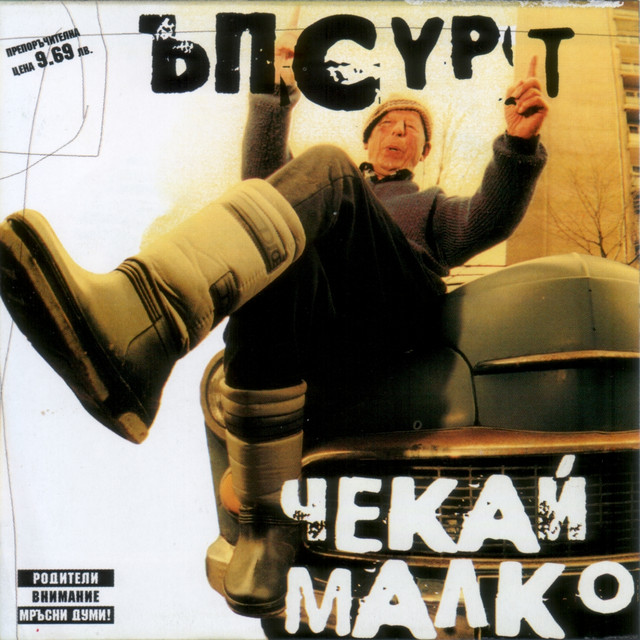
If you want a quick map of the genre’s ambassadors, you’ll likely start with Upsurt, one of the most enduring and influential Bulgarian hip hop acts. Their longevity and regional appeal have helped legitimize rap as a mainstream option in Bulgaria. Alongside them, artists such as 100 Kila and Krisko have become bellwethers for the newer generation, bridging underground grit with pop-accessible hooks. These figures—along with a constellation of MCs and producers across Sofia, Plovdiv, Varna, and other Bulgarian cities—have shaped a scene that is at once rooted in tradition and hungry for experimentation.
Bulgarian hip hop remains most popular in Bulgaria and across the broader Balkans, where neighboring countries and diaspora communities listen in to a shared language of urban life. It has found receptive audiences in Greece, North Macedonia, Serbia, and Romania, where Balkan rap dialogues and collaborations proliferate, and online can cross borders in seconds. The genre thrives in live venues, festivals, and battle nights, where the emphasis on lyrical prowess, rhythmic flow, and improvisation keeps the culture vibrant even as production styles evolve.
Lyrically, Bulgarian hip hop often centers on social realities—economic shifts, urban strife, aspiration, humor, and personal resilience—delivered with wit and a sense of local identity. The sound leans between hard-hitting, sample-driven tracks and more melodic, hook-focused cuts, mirroring a global trend toward hybrid forms. Today’s Bulgarian producers blend classic boom-bap with trap drums, melodic synth lines, and cross-genre collaborations, reflecting a scene that respects its roots while engaging with international trends.
For music enthusiasts, Bulgarian hip hop offers a compelling blend of lyricism and vernacular storytelling, a sense of community across Balkan borders, and a continuous dialogue between underground credibility and mainstream reach. It’s a genre that invites you to listen closely to the language, the cadence, and the city-sourced mood of a country and a region that have made hip hop their own.
Throughout the 1990s, the scene matured into a recognizable culture: crews and crews of MCs, DJs, and producers who traded tapes, hosted cyphers, and push-pedaled the music into Bulgaria’s provincial towns as well as its capital, Sofia. Production tended to be sample-based and boom-bap flavored in the beginning, but over the years it absorbed a wider palette—from Balkan folk inflections to contemporary electronic textures and, eventually, trap-influenced cadences. The genre’s growth coincided with Bulgaria’s digital shift, which helped local artists bypass traditional gatekeepers and reach audiences through online platforms, independent labels, and grassroots gigs.
If you want a quick map of the genre’s ambassadors, you’ll likely start with Upsurt, one of the most enduring and influential Bulgarian hip hop acts. Their longevity and regional appeal have helped legitimize rap as a mainstream option in Bulgaria. Alongside them, artists such as 100 Kila and Krisko have become bellwethers for the newer generation, bridging underground grit with pop-accessible hooks. These figures—along with a constellation of MCs and producers across Sofia, Plovdiv, Varna, and other Bulgarian cities—have shaped a scene that is at once rooted in tradition and hungry for experimentation.
Bulgarian hip hop remains most popular in Bulgaria and across the broader Balkans, where neighboring countries and diaspora communities listen in to a shared language of urban life. It has found receptive audiences in Greece, North Macedonia, Serbia, and Romania, where Balkan rap dialogues and collaborations proliferate, and online can cross borders in seconds. The genre thrives in live venues, festivals, and battle nights, where the emphasis on lyrical prowess, rhythmic flow, and improvisation keeps the culture vibrant even as production styles evolve.
Lyrically, Bulgarian hip hop often centers on social realities—economic shifts, urban strife, aspiration, humor, and personal resilience—delivered with wit and a sense of local identity. The sound leans between hard-hitting, sample-driven tracks and more melodic, hook-focused cuts, mirroring a global trend toward hybrid forms. Today’s Bulgarian producers blend classic boom-bap with trap drums, melodic synth lines, and cross-genre collaborations, reflecting a scene that respects its roots while engaging with international trends.
For music enthusiasts, Bulgarian hip hop offers a compelling blend of lyricism and vernacular storytelling, a sense of community across Balkan borders, and a continuous dialogue between underground credibility and mainstream reach. It’s a genre that invites you to listen closely to the language, the cadence, and the city-sourced mood of a country and a region that have made hip hop their own.