Genre
cambodian pop
Top Cambodian pop Artists
Showing 25 of 142 artists








12
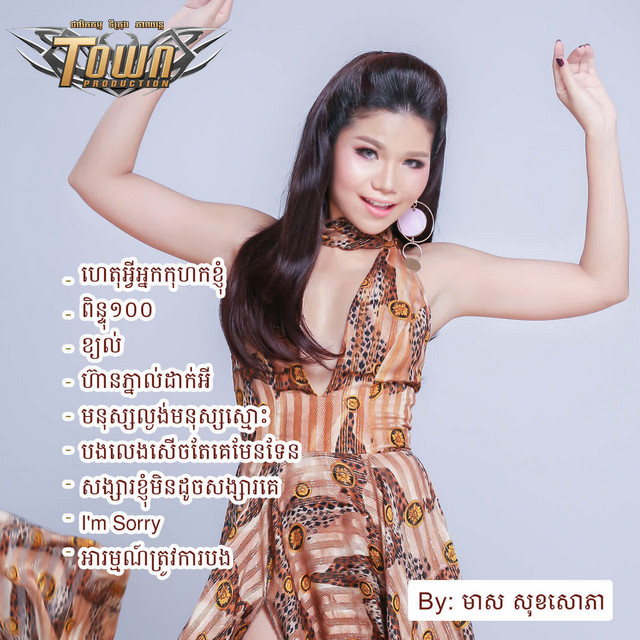
មាស សុខសោភា
23,799
59,559 listeners



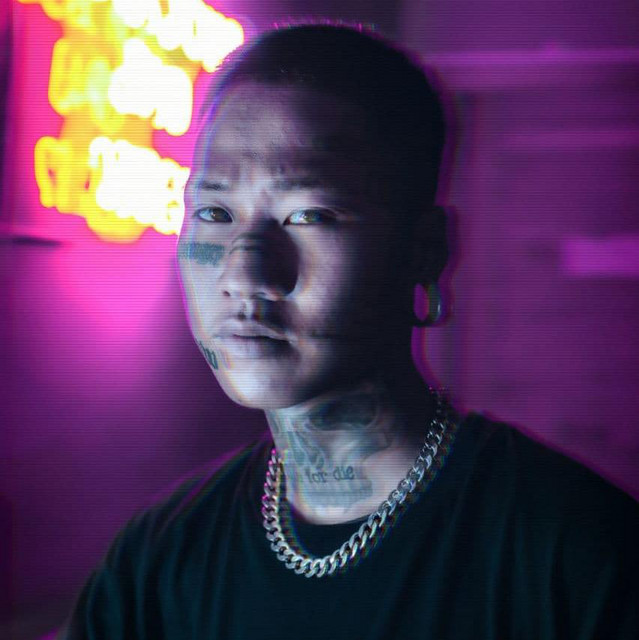
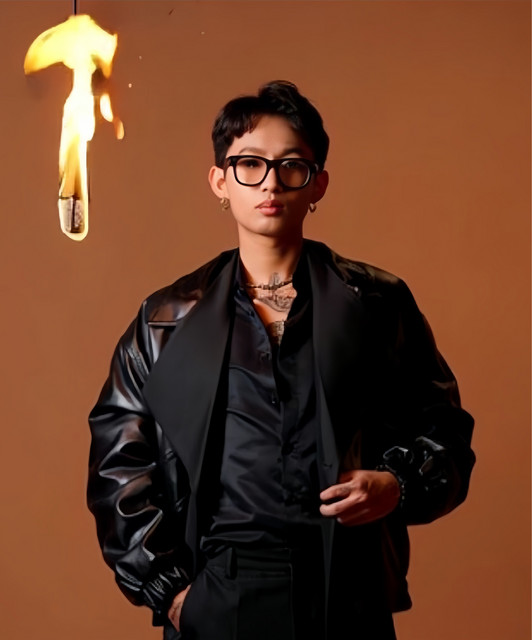

19

លោក ខេម
46,450
31,154 listeners



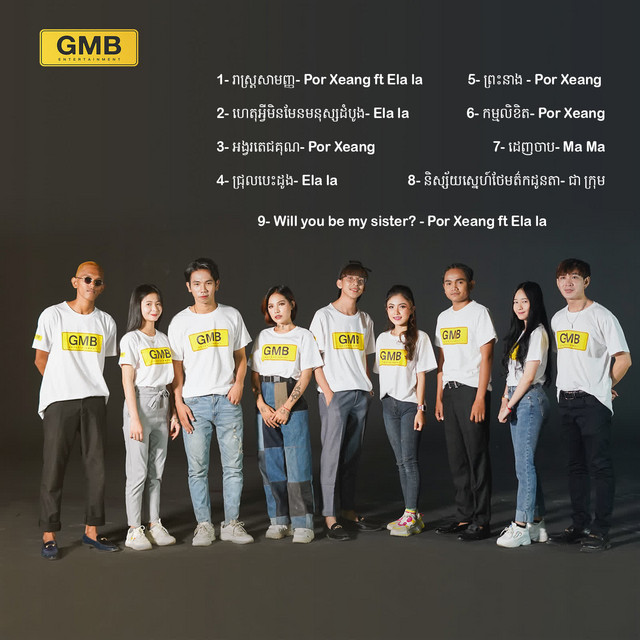
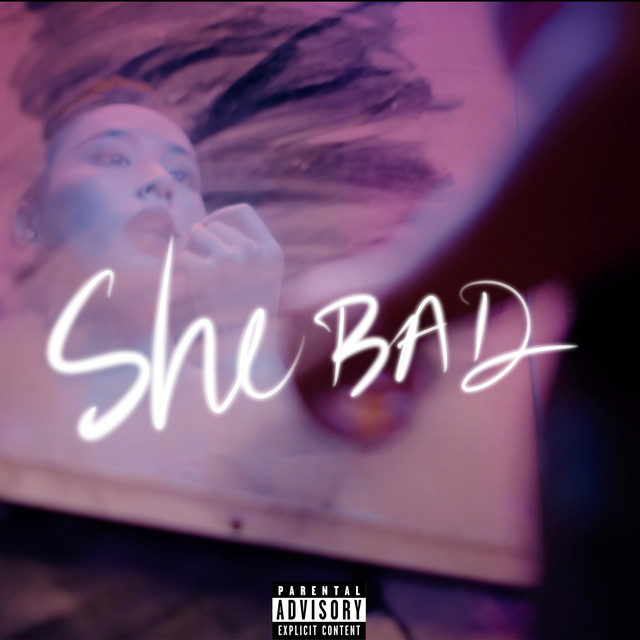
25
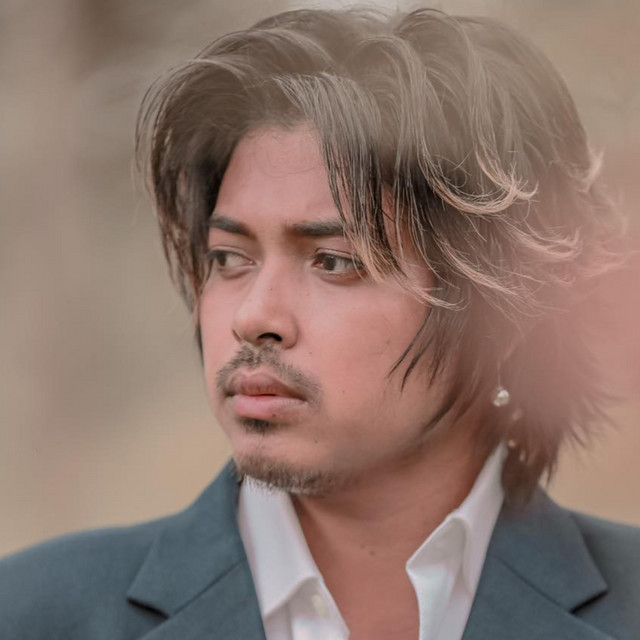
គូ ម៉ា
18,883
22,463 listeners
About Cambodian pop
Cambodian pop, also known as Khmer pop, is the melodic heartbeat of Cambodia’s modern popular music. It emerged in Phnom Penh in the late 1950s and 1960s as Cambodian composers and singers blended Western styles—rock and roll, surf, swing, and French chanson—with traditional Khmer musical textures. The result was a bright, romantic, highly vocal sound that rode the radio waves into a vibrant, cosmopolitan era of barrooms, radio shows, and televised variety programs.
The genre’s golden era stretched through the 1960s into the early 1970s, a time when Phnom Penh was buzzing with studios and live performances. It drew heavily on powerful vocalists who could carry lush, emotionally charged melodies over lush arrangements. The era produced enduring icons such as Sinn Sisamuth, often hailed as the “King of Khmer Rock and Roll.” He was a prolific songwriter and performer whose songs bridged local sensibilities with Western rhythmic drive. Ros Serey Sothea, known as the “golden voice,” captivated audiences with a luminous upper register and an expressive, theatrical delivery. Pan Ron, a towering figure in Khmer pop, brought a dramatic, cinematic presence to many ballads and up-tempo numbers. These artists became ambassadors of Khmer pop, shaping a sound that felt both contemporary and distinctly Cambodian.
The mid-to-late 1970s brought catastrophe for Cambodian music. The Khmer Rouge era (1975–1979) devastated the country’s cultural life; many musicians perished or fled, and generations of music were suppressed or erased. The industry lay dormant, and a generation of Cambodians grew up disconnected from the pre-war soundscape. The post-1990s period, with opening markets and renewed cultural exchange, launched a revival. Cambodian pop re-emerged, absorbing global trends—hip-hop, dance-pop, electronic production—while retaining its melodic Khmer core. The modern scene is a fusion landscape: ballads that can melt into dance tracks, and songs that weave traditional melodic contours with contemporary studio techniques.
Today, Cambodian pop thrives within Cambodia and in Cambodian diaspora communities around the world. It enjoys notable popularity in the United States, France, Australia, Canada, and parts of Southeast Asia, where immigrant and refugee communities have kept the language and musical forms alive, often blending them with local influences. Streaming platforms, YouTube channels, and live performances in cities with sizable Khmer populations help sustain its visibility and ongoing evolution. Contemporary acts range from evocative pop ballads to high-energy dance tunes, all carrying the legacy of the Khmer pop sensibility: strong melodic hooks, expressive vocal lines, and arrangements that can oscillate between intimate storytelling and party-ready rhythms.
For enthusiasts, Cambodian pop offers a storied past and a resilient, evolving present. It invites listeners to trace a lineage—from the elegant, sweeping melodies of Sinn Sisamuth and Ros Serey Sothea to the polished, globalized productions of today—while exploring how a national sound can endure disruption, adapt across generations, and travel far beyond Cambodia’s borders.
The genre’s golden era stretched through the 1960s into the early 1970s, a time when Phnom Penh was buzzing with studios and live performances. It drew heavily on powerful vocalists who could carry lush, emotionally charged melodies over lush arrangements. The era produced enduring icons such as Sinn Sisamuth, often hailed as the “King of Khmer Rock and Roll.” He was a prolific songwriter and performer whose songs bridged local sensibilities with Western rhythmic drive. Ros Serey Sothea, known as the “golden voice,” captivated audiences with a luminous upper register and an expressive, theatrical delivery. Pan Ron, a towering figure in Khmer pop, brought a dramatic, cinematic presence to many ballads and up-tempo numbers. These artists became ambassadors of Khmer pop, shaping a sound that felt both contemporary and distinctly Cambodian.
The mid-to-late 1970s brought catastrophe for Cambodian music. The Khmer Rouge era (1975–1979) devastated the country’s cultural life; many musicians perished or fled, and generations of music were suppressed or erased. The industry lay dormant, and a generation of Cambodians grew up disconnected from the pre-war soundscape. The post-1990s period, with opening markets and renewed cultural exchange, launched a revival. Cambodian pop re-emerged, absorbing global trends—hip-hop, dance-pop, electronic production—while retaining its melodic Khmer core. The modern scene is a fusion landscape: ballads that can melt into dance tracks, and songs that weave traditional melodic contours with contemporary studio techniques.
Today, Cambodian pop thrives within Cambodia and in Cambodian diaspora communities around the world. It enjoys notable popularity in the United States, France, Australia, Canada, and parts of Southeast Asia, where immigrant and refugee communities have kept the language and musical forms alive, often blending them with local influences. Streaming platforms, YouTube channels, and live performances in cities with sizable Khmer populations help sustain its visibility and ongoing evolution. Contemporary acts range from evocative pop ballads to high-energy dance tunes, all carrying the legacy of the Khmer pop sensibility: strong melodic hooks, expressive vocal lines, and arrangements that can oscillate between intimate storytelling and party-ready rhythms.
For enthusiasts, Cambodian pop offers a storied past and a resilient, evolving present. It invites listeners to trace a lineage—from the elegant, sweeping melodies of Sinn Sisamuth and Ros Serey Sothea to the polished, globalized productions of today—while exploring how a national sound can endure disruption, adapt across generations, and travel far beyond Cambodia’s borders.