Genre
canadian garage rock
Top Canadian garage rock Artists
Showing 11 of 11 artists




About Canadian garage rock
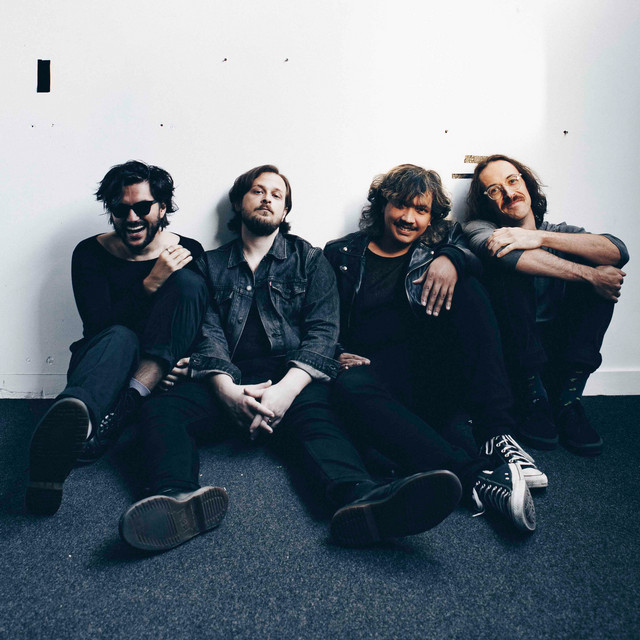
Canadian garage rock is the Canadian thread in the broader garage-rock tapestry—a sound defined by urgency, fuzzed guitars, punchy hooks, and a stubborn DIY ethic. It was born in the mid-1960s, when teenagers across major Canadian cities like Winnipeg, Toronto, Montreal, and Vancouver picked up instruments to echo the raw energy pouring from U.S. garage pioneers. In basements, school gyms, and tiny clubs, these bands cut short, blistering songs on small local labels. The result was a loose, unpolished but high-spirited strand of rock that captured the era’s rebellious mood and the practical realities of indie production.
Ambassadors from those early days include The Guess Who, a Winnipeg-born outfit that began as Chad Allan and the Expressions and would become Canada’s first major international rock export. Their early records carried a gritty, lo-fi energy that sits comfortably beside garage progenitors, even as they evolved into more expansive pop-rock later on. Another canonical Canadian garage-act from the 60s is The Ugly Ducklings (Toronto), whose rough-edged guitars and garage-leaning repertoire anchored the scene in Canada’s two biggest markets and helped define the country’s homegrown brass-knuckles approach to rock. Together, these acts set a template—compact, hook-driven tunes with memorable riffs and a preference for rough-edged production—that Canadian bands would refine for decades.
In the decades that followed, the scene persisted in pockets: small clubs in Montreal, Vancouver, and Toronto kept the flame alive, often leaning into punk and power-pop hybrids while maintaining that essential garage ethos. The 1990s saw a revival of sorts: a new generation of bands in bigger cities embraced the raw discipline of garage-rock while connecting with underground DIY circuits that had always sustained the movement. Toronto’s The Deadly Snakes and Vancouver’s Japandroids (emerging in the late 1990s and 2000s) became touchpoints for a renewed international interest in Canadian garage rock, bridging the old-school energy with a modern, lo-fi dynamism that would energize indie rock across North America.
Musically, Canadian garage rock remains lean and loud: simple verse-chorus structures, aggressive guitars, brisk tempos, and a preference for live, unpolished performances over studio polish. The genre’s appeal lies in immediacy—songs that hit hard from the first riff and leave a vivid, unforced imprint on the listener. Production tends to emphasize rawness and atmosphere over studio perfection, a sensibility that has flourished in Canada’s independent labels and vibrant live circuits.
Global reach follows the same pattern: the genre is strongest in Canada, where a lineage of clubs and festivals keeps its heritage alive; it has a resilient footprint in the United States, the United Kingdom, and parts of Europe where indie and garage scenes share audiences. Fans in Australia and beyond discover Canadian garage via reissues, compilations, and streaming playlists. Canadian garage rock continues to evolve—an echo of the past that refuses to fade, always ready to crash into the next wave with brisk, rebellious energy.
Ambassadors from those early days include The Guess Who, a Winnipeg-born outfit that began as Chad Allan and the Expressions and would become Canada’s first major international rock export. Their early records carried a gritty, lo-fi energy that sits comfortably beside garage progenitors, even as they evolved into more expansive pop-rock later on. Another canonical Canadian garage-act from the 60s is The Ugly Ducklings (Toronto), whose rough-edged guitars and garage-leaning repertoire anchored the scene in Canada’s two biggest markets and helped define the country’s homegrown brass-knuckles approach to rock. Together, these acts set a template—compact, hook-driven tunes with memorable riffs and a preference for rough-edged production—that Canadian bands would refine for decades.
In the decades that followed, the scene persisted in pockets: small clubs in Montreal, Vancouver, and Toronto kept the flame alive, often leaning into punk and power-pop hybrids while maintaining that essential garage ethos. The 1990s saw a revival of sorts: a new generation of bands in bigger cities embraced the raw discipline of garage-rock while connecting with underground DIY circuits that had always sustained the movement. Toronto’s The Deadly Snakes and Vancouver’s Japandroids (emerging in the late 1990s and 2000s) became touchpoints for a renewed international interest in Canadian garage rock, bridging the old-school energy with a modern, lo-fi dynamism that would energize indie rock across North America.
Musically, Canadian garage rock remains lean and loud: simple verse-chorus structures, aggressive guitars, brisk tempos, and a preference for live, unpolished performances over studio polish. The genre’s appeal lies in immediacy—songs that hit hard from the first riff and leave a vivid, unforced imprint on the listener. Production tends to emphasize rawness and atmosphere over studio perfection, a sensibility that has flourished in Canada’s independent labels and vibrant live circuits.
Global reach follows the same pattern: the genre is strongest in Canada, where a lineage of clubs and festivals keeps its heritage alive; it has a resilient footprint in the United States, the United Kingdom, and parts of Europe where indie and garage scenes share audiences. Fans in Australia and beyond discover Canadian garage via reissues, compilations, and streaming playlists. Canadian garage rock continues to evolve—an echo of the past that refuses to fade, always ready to crash into the next wave with brisk, rebellious energy.