Genre
canadian indigenous hip hop
Top Canadian indigenous hip hop Artists
Showing 17 of 17 artists







About Canadian indigenous hip hop
Canadian Indigenous hip hop is a vibrant, evolving scene that blends traditional Indigenous sounds with contemporary urban beats to tell stories of identity, sovereignty, and resilience. Emerging in the late 1990s and gaining momentum through the 2000s, the genre grew from Indigenous communities and urban centers across Canada, where artists merged rapped storytelling with the rhythmic textures of powwow drums, throat singing, and modern production. It is less a single sound than a family of approaches that keep Indigenous languages and perspectives at the forefront while absorbing global hip hop and electronic influences.
One of the defining features of Canadian Indigenous hip hop is its musical hybridity. Producers layer samples of Indigenous vocalizations and ceremonial drumming with hard-hitting drums, bass-heavy beats, and synth textures. Lyrics often address colonization, land rights, missing and murdered Indigenous women, intergenerational trauma, and cultural resurgence, but they also celebrate joy, humor, and community healing. Language use is diverse: many artists code-switch between English and Indigenous languages like Cree, Ojibwe, Dene, Inuktitut, and Mohawk, among others, creating a multilingual tapestry that reflects Canada’s first peoples and their ongoing cultural continuity.
Ambassadors and pivotal acts have helped bring the sound from regional scenes to national and international stages. The Halluci Nation, formerly known as A Tribe Called Red, is widely regarded as a flagship project in Canadian Indigenous hip hop. This Ottawa-based collective (now a trio) fused powwow music with house, dance, and hip hop, bringing Indigenous voices to clubs and major festivals across North America and beyond. Their work popularized a wave of cross-genre collaboration and inspired countless artists to explore Indigenous sampling and storytelling with electronic-infused hip hop.
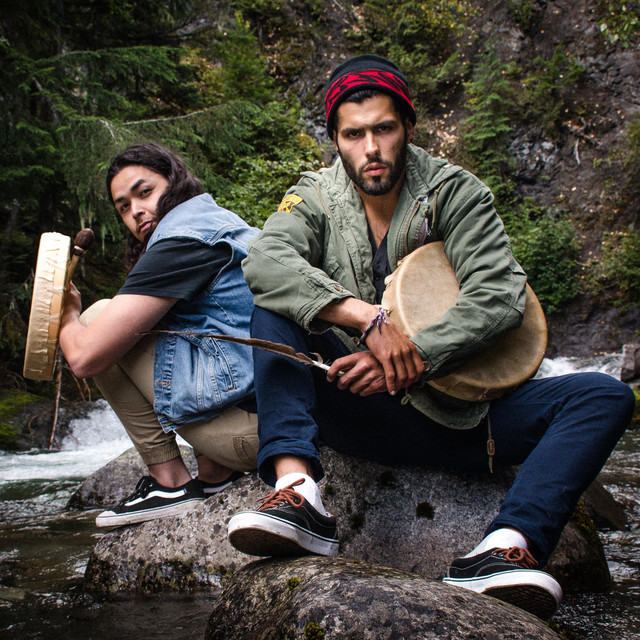
Another notable trailblazer is Wab Kinew, a Winnipeg-based rapper and public figure whose music has helped bring Indigenous hip hop into mainstream Canadian discourse. His work blends lyrical storytelling with social and political themes, amplifying Indigenous perspectives in a broader audience. In the newer generation, Snotty Nose Rez Kids—formed by two young Indigenous rappers from the Haisla Nation in British Columbia—have become prominent voices, blending sharp social commentary with catchy, radio-ready hooks, and they’ve helped push Indigenous hip hop onto international festival stages and streaming playlists.
Across Canada, Indigenous hip hop scenes are strongest in urban hubs such as Vancouver, Winnipeg, Ottawa, and Montreal, but resonances extend to the U.S. Pacific Northwest, parts of the Midwest, and increasingly Europe and the UK through festival circuits and online platforms. The genre thrives on collaborations—between producers and traditional musicians, between poets and MCs, and between elders and youth—creating a bridge between ceremony and club night, storytelling and party energy.
For enthusiasts, Canadian Indigenous hip hop offers a compelling lens on contemporary Indigenous life: where ancestral memory informs modern identity, and where indigenous language and heritage meet the energy of global hip hop. It’s a space of resistance, celebration, and continual reinvention—a dynamic voice in Canada’s diverse musical landscape.
One of the defining features of Canadian Indigenous hip hop is its musical hybridity. Producers layer samples of Indigenous vocalizations and ceremonial drumming with hard-hitting drums, bass-heavy beats, and synth textures. Lyrics often address colonization, land rights, missing and murdered Indigenous women, intergenerational trauma, and cultural resurgence, but they also celebrate joy, humor, and community healing. Language use is diverse: many artists code-switch between English and Indigenous languages like Cree, Ojibwe, Dene, Inuktitut, and Mohawk, among others, creating a multilingual tapestry that reflects Canada’s first peoples and their ongoing cultural continuity.
Ambassadors and pivotal acts have helped bring the sound from regional scenes to national and international stages. The Halluci Nation, formerly known as A Tribe Called Red, is widely regarded as a flagship project in Canadian Indigenous hip hop. This Ottawa-based collective (now a trio) fused powwow music with house, dance, and hip hop, bringing Indigenous voices to clubs and major festivals across North America and beyond. Their work popularized a wave of cross-genre collaboration and inspired countless artists to explore Indigenous sampling and storytelling with electronic-infused hip hop.
Another notable trailblazer is Wab Kinew, a Winnipeg-based rapper and public figure whose music has helped bring Indigenous hip hop into mainstream Canadian discourse. His work blends lyrical storytelling with social and political themes, amplifying Indigenous perspectives in a broader audience. In the newer generation, Snotty Nose Rez Kids—formed by two young Indigenous rappers from the Haisla Nation in British Columbia—have become prominent voices, blending sharp social commentary with catchy, radio-ready hooks, and they’ve helped push Indigenous hip hop onto international festival stages and streaming playlists.
Across Canada, Indigenous hip hop scenes are strongest in urban hubs such as Vancouver, Winnipeg, Ottawa, and Montreal, but resonances extend to the U.S. Pacific Northwest, parts of the Midwest, and increasingly Europe and the UK through festival circuits and online platforms. The genre thrives on collaborations—between producers and traditional musicians, between poets and MCs, and between elders and youth—creating a bridge between ceremony and club night, storytelling and party energy.
For enthusiasts, Canadian Indigenous hip hop offers a compelling lens on contemporary Indigenous life: where ancestral memory informs modern identity, and where indigenous language and heritage meet the energy of global hip hop. It’s a space of resistance, celebration, and continual reinvention—a dynamic voice in Canada’s diverse musical landscape.