Genre
candy pop
Top Candy pop Artists
Showing 25 of 73 artists

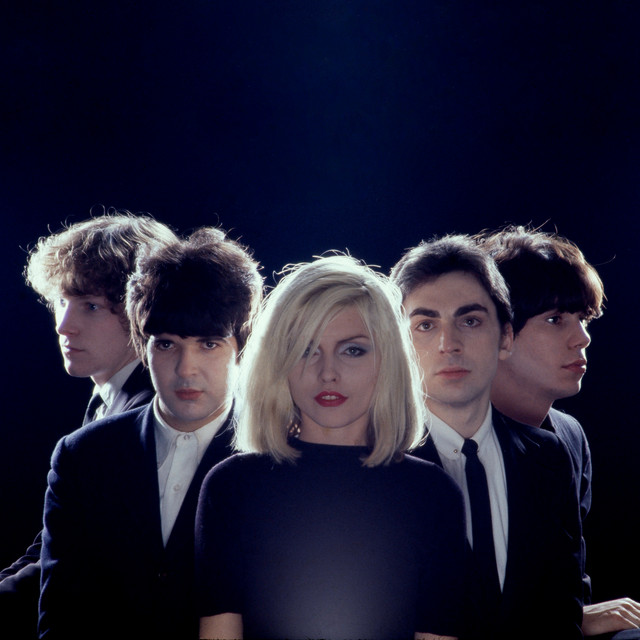






















About Candy pop
Candy pop is a bright, sugar-coated thread of pop music that treats melody like a candy glaze—glossy, instantly catchy, and built for repeat listening. It’s less a single, codified genre and more a descriptive umbrella that fans and critics use for upbeat, confectionery-sweet songs and aesthetics. Think glittering synths, jangly guitars, candy-coloured visuals, and hooks so accessible they seem to melt in your mouth. The result is a mood: optimistic, playful, and irresistibly catchy.
The roots of candy pop lie in the late 1960s bubblegum pop phenomenon in the United States. Bubblegum pop was engineered to be widely digestible for teen listeners, with short songs, repetitive choruses, and bright production. The Archies’ Sugar, Sugar (1969) became perhaps the archetype of the sound: a glossy, harmony-rich confection that proved a simple, irresistible hook could captivate a mass audience. Other acts of that era—The Ohio Express with Yummy Yummy Yummy, and a wave of teen-friendly groups produced for mass appeal—shaped the template that candy pop would later echo. Over the decades, the concept migrated and evolved, morphing with production trends while preserving its core aim: a mood that feels sunny, youthful, and instantly memorable.
In the 1990s and 2000s, candy pop—often described in terms like “bubblegum pop” or “teen pop”—reinvigorated in Western markets with artists who fused glossy melodies with digital polish. Stars like Britney Spears and early-era Christina Aguilera became emblematic of a modern, candy-coated pop sensibility: high-energy choruses, bright harmonies, and media-ready aesthetics. Their international popularity helped widen the term beyond its original American bubblegum lineage, embedding candy-pop concepts in mainstream pop worldwide.
In Japan and Korea, candy pop has a robust lineage of its own. Japan’s J-pop scene embraced candy-bright, price-tag-perfect pop, with acts that paired bubbly melodies with kawaii visuals and sleek electronic production. In South Korea, the late 2000s and 2010s saw a surge of candy-pop-inflected tracks within the larger K-pop umbrella: neon-forward synths, sing-along refrains, and exuberant performances created a global illusion of sweet, candy-coloured pop culture. From Morning Musume’s late-1990s emergence to the 2010s electro-pop innovations by groups like Perfume, and the playful, fashion-forward videos of Kyary Pamyu Pamyu, candy pop has flourished as a recognizable descriptor for a certain glossy, candy-sweet approach to pop across Asia and beyond.
Today, candy pop thrives wherever listeners crave immediacy and positivity in pop—yet it remains elastic. It borrows from bubblegum history, Serbian-lollipop sweetness, glossy electro-pop, and the diamond-bright aesthetics of modern music videos. Countries with deep enthusiasts include the United States, the United Kingdom, Japan, and South Korea, with a global community of fans who celebrate the era-defining hooks and the optimistic, almost nostalgic energy of candy-coated pop. In essence, candy pop is a mood, a lineage, and a sonic palette—an enduring invitation to press play and taste the bright side of song.
The roots of candy pop lie in the late 1960s bubblegum pop phenomenon in the United States. Bubblegum pop was engineered to be widely digestible for teen listeners, with short songs, repetitive choruses, and bright production. The Archies’ Sugar, Sugar (1969) became perhaps the archetype of the sound: a glossy, harmony-rich confection that proved a simple, irresistible hook could captivate a mass audience. Other acts of that era—The Ohio Express with Yummy Yummy Yummy, and a wave of teen-friendly groups produced for mass appeal—shaped the template that candy pop would later echo. Over the decades, the concept migrated and evolved, morphing with production trends while preserving its core aim: a mood that feels sunny, youthful, and instantly memorable.
In the 1990s and 2000s, candy pop—often described in terms like “bubblegum pop” or “teen pop”—reinvigorated in Western markets with artists who fused glossy melodies with digital polish. Stars like Britney Spears and early-era Christina Aguilera became emblematic of a modern, candy-coated pop sensibility: high-energy choruses, bright harmonies, and media-ready aesthetics. Their international popularity helped widen the term beyond its original American bubblegum lineage, embedding candy-pop concepts in mainstream pop worldwide.
In Japan and Korea, candy pop has a robust lineage of its own. Japan’s J-pop scene embraced candy-bright, price-tag-perfect pop, with acts that paired bubbly melodies with kawaii visuals and sleek electronic production. In South Korea, the late 2000s and 2010s saw a surge of candy-pop-inflected tracks within the larger K-pop umbrella: neon-forward synths, sing-along refrains, and exuberant performances created a global illusion of sweet, candy-coloured pop culture. From Morning Musume’s late-1990s emergence to the 2010s electro-pop innovations by groups like Perfume, and the playful, fashion-forward videos of Kyary Pamyu Pamyu, candy pop has flourished as a recognizable descriptor for a certain glossy, candy-sweet approach to pop across Asia and beyond.
Today, candy pop thrives wherever listeners crave immediacy and positivity in pop—yet it remains elastic. It borrows from bubblegum history, Serbian-lollipop sweetness, glossy electro-pop, and the diamond-bright aesthetics of modern music videos. Countries with deep enthusiasts include the United States, the United Kingdom, Japan, and South Korea, with a global community of fans who celebrate the era-defining hooks and the optimistic, almost nostalgic energy of candy-coated pop. In essence, candy pop is a mood, a lineage, and a sonic palette—an enduring invitation to press play and taste the bright side of song.