Genre
cantonese opera
Top Cantonese opera Artists
Showing 11 of 11 artists
1
龍劍笙
226
430 listeners
3

新馬師曾
513
116 listeners
4

林家声
314
67 listeners
6

冼劍麗
61
53 listeners
7
鍾志雄
1
25 listeners
8
陳彩蘭
1
23 listeners
9
朱頂鶴
4
23 listeners
10
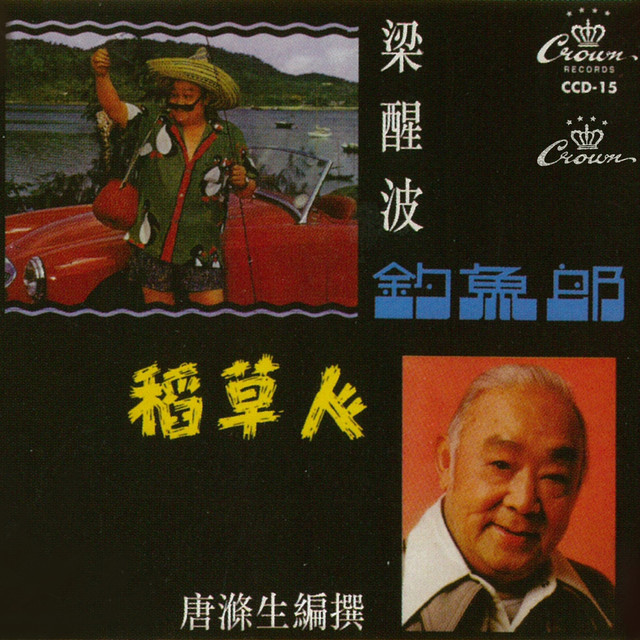
朱少坡
12
18 listeners
11
楚倩雲
1
2 listeners
About Cantonese opera
Cantonese opera, known in Chinese as Yueju, is one of the regional operatic traditions that emerged along the Pearl River Delta and matured in the cosmopolitan theaters of Guangzhou, Hong Kong, and Macau. It is a living synthesis of singing, recitation, acting and martial display, performed in Cantonese and rooted in local folk songs, classical drama, and martial arts theatre. The form crystallized in the late Qing dynasty and the early republican era (roughly the late 19th to early 20th centuries) as traveling troupes stitched together popular tunes with stylized gesture, ornate costumes, and a portable scenic apparatus to entertain urban and port audiences of Guangdong and beyond.
A Cantonese opera program weaves arias, duets, and spoken narration around historical, legendary, or contemporary stories. Roles are categorized into four masterful archetypes: sheng (male), dan (female or young female roles), jing (painted-face characters of strong temperament), and chou (clown). Singers train in a distinct vocal timbre—bright, flexible, and often highly ornamented—delivered with vibrato and precise melisma. The acting relies on a codified mime language, acrobatics, and martial movement, while the instrumental palette combines stringed and wind instruments with a robust percussion section, including drums, clappers, and cymbals. The musical texture often alternates between lyrical arias and more declamatory recitative, supported by a traditional ensemble that can be as intimate as a small chamber orchestra or as expansive as a large provincial pit.
Repertoire centers on romance, loyalty and filial piety, political intrigue, and mythic episodes drawn from Chinese history and classic literature. Iconic moments carry moral weight, but the intensity is amplified by dazzling costumes—embroidered robes, bright headdresses, and heavy makeup—that announce each character’s social role at a glance. Because Cantonese opera flourished in port cities with large immigrant communities, its songs traveled far beyond Guangdong, adapting to new audiences in Southeast Asia, North America, and Europe through touring troupes and diaspora companies. In the mid-20th century, the art form experienced a renaissance in Hong Kong cinema, where stage stars became screen legends.
Key artists and ambassadors of Cantonese opera include Yam Kim-fai, renowned for her elegant dan roles and long collaboration with Sun Ma Sze-tsen, a celebrated male-actor who specialized in heroic, larger-than-life parts. This pairing became emblematic of the art form’s sensibility—romantic lyricism married to martial bravura. Another towering figure is Kwan Tak-hing, who anchored many productions in the earlier days of filmed Cantonese opera and helped introduce the discipline to a global audience through cinema. Their legacies continue to inspire contemporary troupes and crossover projects in theater and music.
Today, Cantonese opera remains most vibrant in Guangdong, Hong Kong, and Macau, with vibrant secondary markets in Singapore and Malaysia. It also thrives in Chinatowns across the United States, Canada, Australia, and parts of Europe, where young ensembles preserve the vocal technique, stagecraft, and storytelling tradition while increasingly collaborating with new composers and media. For enthusiasts, the genre offers a rare portal into a theater of sound, color, and ritual—a living archive of language, community memory, and performance prowess.
A Cantonese opera program weaves arias, duets, and spoken narration around historical, legendary, or contemporary stories. Roles are categorized into four masterful archetypes: sheng (male), dan (female or young female roles), jing (painted-face characters of strong temperament), and chou (clown). Singers train in a distinct vocal timbre—bright, flexible, and often highly ornamented—delivered with vibrato and precise melisma. The acting relies on a codified mime language, acrobatics, and martial movement, while the instrumental palette combines stringed and wind instruments with a robust percussion section, including drums, clappers, and cymbals. The musical texture often alternates between lyrical arias and more declamatory recitative, supported by a traditional ensemble that can be as intimate as a small chamber orchestra or as expansive as a large provincial pit.
Repertoire centers on romance, loyalty and filial piety, political intrigue, and mythic episodes drawn from Chinese history and classic literature. Iconic moments carry moral weight, but the intensity is amplified by dazzling costumes—embroidered robes, bright headdresses, and heavy makeup—that announce each character’s social role at a glance. Because Cantonese opera flourished in port cities with large immigrant communities, its songs traveled far beyond Guangdong, adapting to new audiences in Southeast Asia, North America, and Europe through touring troupes and diaspora companies. In the mid-20th century, the art form experienced a renaissance in Hong Kong cinema, where stage stars became screen legends.
Key artists and ambassadors of Cantonese opera include Yam Kim-fai, renowned for her elegant dan roles and long collaboration with Sun Ma Sze-tsen, a celebrated male-actor who specialized in heroic, larger-than-life parts. This pairing became emblematic of the art form’s sensibility—romantic lyricism married to martial bravura. Another towering figure is Kwan Tak-hing, who anchored many productions in the earlier days of filmed Cantonese opera and helped introduce the discipline to a global audience through cinema. Their legacies continue to inspire contemporary troupes and crossover projects in theater and music.
Today, Cantonese opera remains most vibrant in Guangdong, Hong Kong, and Macau, with vibrant secondary markets in Singapore and Malaysia. It also thrives in Chinatowns across the United States, Canada, Australia, and parts of Europe, where young ensembles preserve the vocal technique, stagecraft, and storytelling tradition while increasingly collaborating with new composers and media. For enthusiasts, the genre offers a rare portal into a theater of sound, color, and ritual—a living archive of language, community memory, and performance prowess.