Genre
carimbo
Top Carimbo Artists
Showing 6 of 6 artists

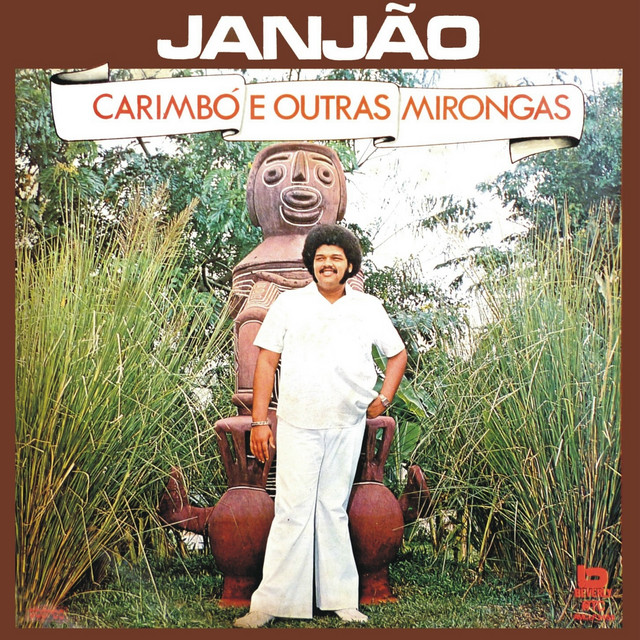


About Carimbo
Carimbo (often written carimbó in Brazil) is a vibrant music and dance tradition from the Amazonian north, anchored most strongly in the state of Pará. It grew out of Afro-Brazilian communities along the rivers, where African rhythms blended with Indigenous musicality and, over time, absorbed Caribbean echoes carried by sailors and traders. Although its exact origins are diffuse and informal, most histories trace carimbo to the 19th century as a living street and court tradition, passed from generation to generation in homes, festas and uprisings of cultural pride. By the mid–20th century the style had crystallized into a recognizable musical form and dance that could fill street corners, carnaval parades and festival stages alike.
Musically, carimbo is percussion-forward and communicative. The driving force comes from a set of drum-based rhythms—percussion often built around hand drums, tambors and other handmade Afro-Indigenous drums, accompanied by shakers and handheld voices that call and respond in spiritual, chant-like exchanges. The groove is typically lively and infectious, with a flexible tempo that travels around the 100–130 BPM range depending on the moment and the performers. Guitars, cavaquinho, and other stringed instruments sometimes weave through the percussion, adding bright melodic lines and counterpoint, while occasional winds or flutes can add reflective contrasts. The vocal approach often features call-and-response structures, playful banter, and shared storytelling, inviting dancers and listeners to participate as equal collaborators in the performance.
The rhythm’s personality is inseparable from its dance. Carimbo dancing is known for its rhythmic hip sway, quick footwork, and fluid partner work that can resemble a ceremonial procession or a joyous circle dance. Dancers move with a sense of improvisation within the groove, balancing restraint and exuberance. The costumes—colorful skirts for women, light shirts for men, and often sparkly accessories—enhance the sense of ceremony and communal celebration that characterize carimbo performances.
Culturally, carimbo is a symbol of Pará’s regional identity and Amazonian heritage. It has a strong local routing—particularly in Belém and the surrounding Pará countryside—yet its appeal has traveled beyond state borders, influencing other regional Brazilian styles and appearing in world-music circuits and fusion projects. In the broader Brazilian imagination, carimbo helped pave the way for late-20th-century interest in Amazonian sounds and Afro-indigenous musical dialogues, contributing to a larger narrative about Brazilian regional music as a living, evolving art form.
Ambassadors and key figures help keep carimbo vibrant. The most widely recognized figure associated with the genre is Pinduca, a Pará-born artist who became one of carimbo’s most visible advocates in the latter half of the 20th century. Through recordings and performances, Pinduca helped bring carimbo from local festas to national attention, inspiring new generations of musicians to explore and rework the sound. Beyond Pinduca, carimbo thrives through a ecosystem of Pará-based musicians, ensembles and revivalists who keep the repertoire flexible—preserving traditional pieces while welcoming contemporary influences from samba, reggae, and regional Brazilian styles.
For music enthusiasts, carimbo offers a compelling hybrid: a dance-driven, percussion-rich sound rooted in Amazonian history, continually renewed by community performance and cross-cultural curiosity. It is a genre that invites you to listen closely to the drum language, feel the call-and-response warmth, and move with the collective heartbeat of the Pará rivers and forests.
Musically, carimbo is percussion-forward and communicative. The driving force comes from a set of drum-based rhythms—percussion often built around hand drums, tambors and other handmade Afro-Indigenous drums, accompanied by shakers and handheld voices that call and respond in spiritual, chant-like exchanges. The groove is typically lively and infectious, with a flexible tempo that travels around the 100–130 BPM range depending on the moment and the performers. Guitars, cavaquinho, and other stringed instruments sometimes weave through the percussion, adding bright melodic lines and counterpoint, while occasional winds or flutes can add reflective contrasts. The vocal approach often features call-and-response structures, playful banter, and shared storytelling, inviting dancers and listeners to participate as equal collaborators in the performance.
The rhythm’s personality is inseparable from its dance. Carimbo dancing is known for its rhythmic hip sway, quick footwork, and fluid partner work that can resemble a ceremonial procession or a joyous circle dance. Dancers move with a sense of improvisation within the groove, balancing restraint and exuberance. The costumes—colorful skirts for women, light shirts for men, and often sparkly accessories—enhance the sense of ceremony and communal celebration that characterize carimbo performances.
Culturally, carimbo is a symbol of Pará’s regional identity and Amazonian heritage. It has a strong local routing—particularly in Belém and the surrounding Pará countryside—yet its appeal has traveled beyond state borders, influencing other regional Brazilian styles and appearing in world-music circuits and fusion projects. In the broader Brazilian imagination, carimbo helped pave the way for late-20th-century interest in Amazonian sounds and Afro-indigenous musical dialogues, contributing to a larger narrative about Brazilian regional music as a living, evolving art form.
Ambassadors and key figures help keep carimbo vibrant. The most widely recognized figure associated with the genre is Pinduca, a Pará-born artist who became one of carimbo’s most visible advocates in the latter half of the 20th century. Through recordings and performances, Pinduca helped bring carimbo from local festas to national attention, inspiring new generations of musicians to explore and rework the sound. Beyond Pinduca, carimbo thrives through a ecosystem of Pará-based musicians, ensembles and revivalists who keep the repertoire flexible—preserving traditional pieces while welcoming contemporary influences from samba, reggae, and regional Brazilian styles.
For music enthusiasts, carimbo offers a compelling hybrid: a dance-driven, percussion-rich sound rooted in Amazonian history, continually renewed by community performance and cross-cultural curiosity. It is a genre that invites you to listen closely to the drum language, feel the call-and-response warmth, and move with the collective heartbeat of the Pará rivers and forests.