Genre
carnatic instrumental
Top Carnatic instrumental Artists
Showing 25 of 38 artists






About Carnatic instrumental
Carnatic instrumental is the instrument-based wing of the South Indian classical tradition, translating the vocal-centered language of ragas, talas, and kritis into a panoramic, highly refined instrumental voice. It shares the same core repertoire as its vocal counterpart—significant composers, lyric-led kritis, and the same emotional and spiritual aim—but musicians express it through exacting tonal control, timbre, and complex improvisation.
The genre’s roots lie in the broader Carnatic system that crystallized in South India from the medieval to the early modern period. By the 18th and 19th centuries, the great triad of composers—Tyagaraja, Muthuswami Dikshitar, and Syama Sastri—had laid down a repertoire of kritis that would form the backbone of both vocal and instrumental performance. Instrumental players began to adopt and elaborate this language, crafting deeply personal renditions of the same ragas and talas. Over time, the instrumental tradition gained its own distinguished voices and idiom, while remaining deeply informed by vocal phrasing and pedagogy.
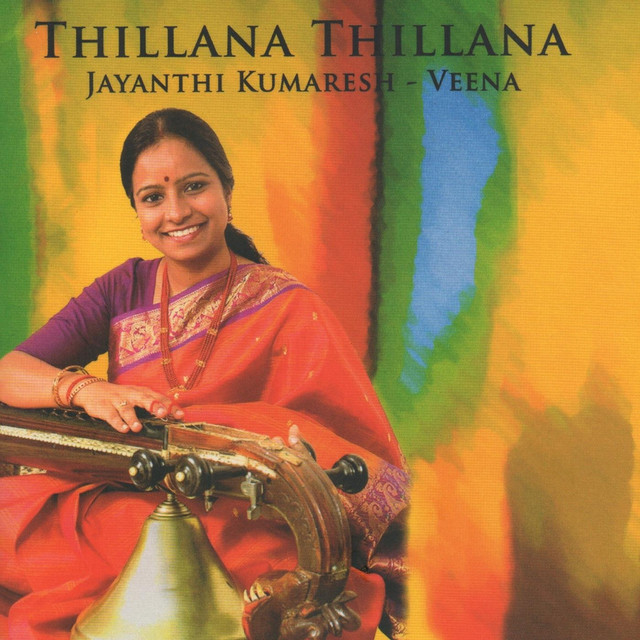
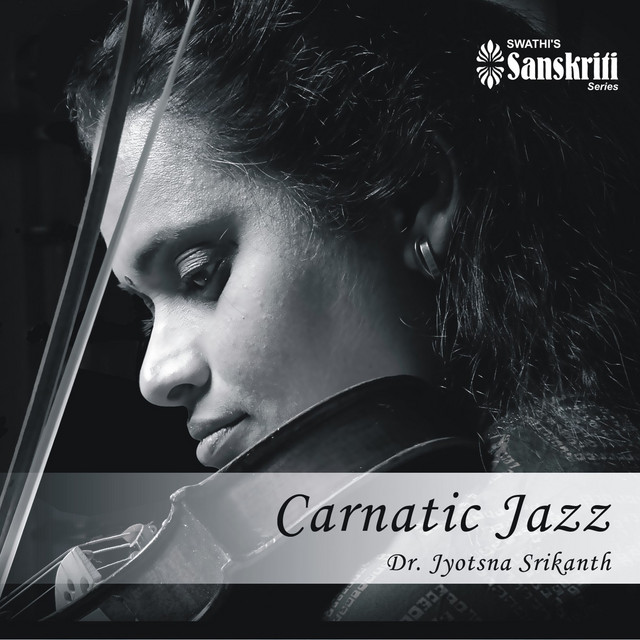
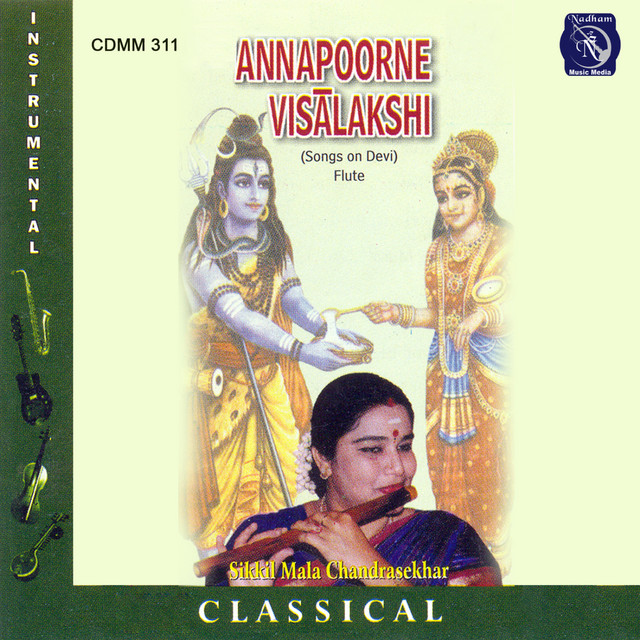
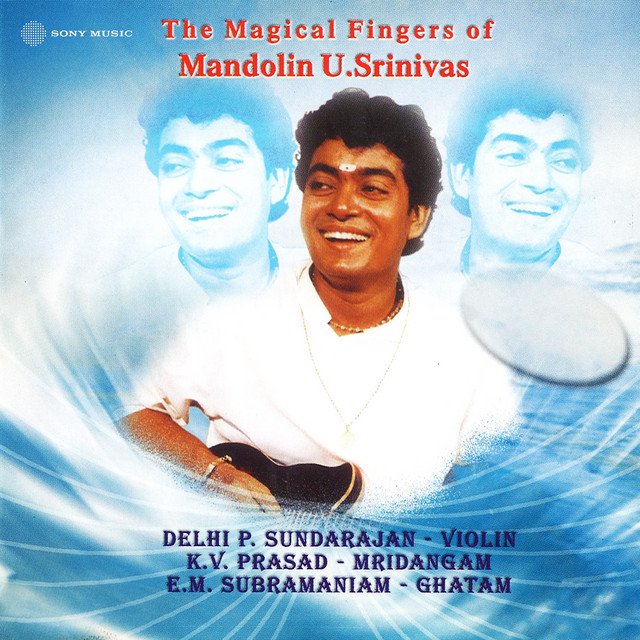
Across instruments, the Carnatic instrumental spectrum is rich. The violin, now a central focal point of many concerts, matured in the 19th century as performers translated vocal ornamentation into bow and finger technique. The veena has its own celebrated lineage, with pioneers like Veena Dhanammal shaping the expressive legato and lyrical cadence that instrumental Carnatic music prizes. The mandolin—pioneered in the Carnatic world by U. Srinivas—brought a bright timbre and agile scalar mastery that broadened the genre’s international reach. Flute, guitar, and other plucked and wind instruments have also found devoted audiences within Carnatic circles.
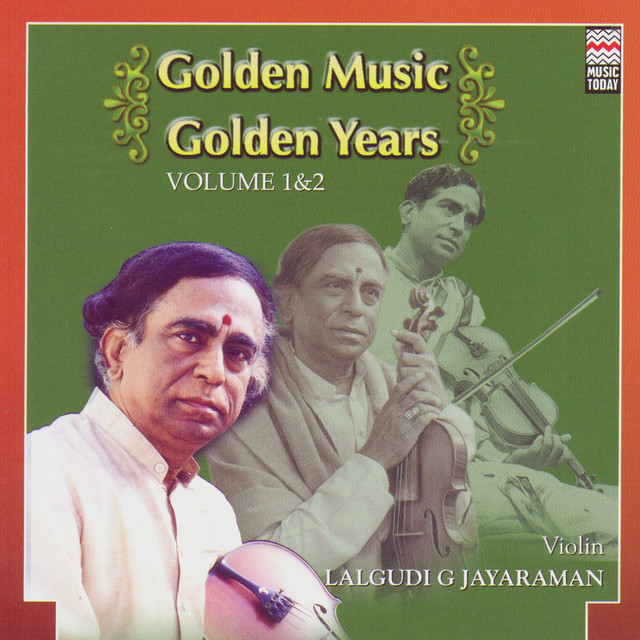
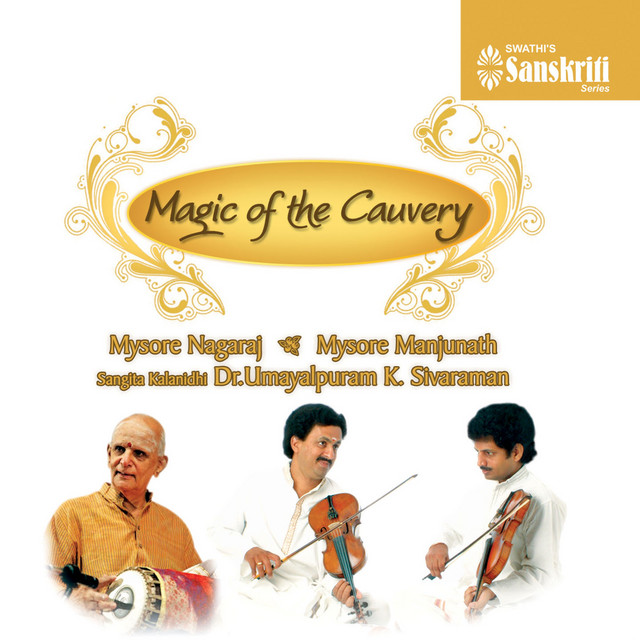
Listening to Carnatic instrumental means encountering a spectrum of virtuosity. The great violinists Lalgudi G. Jayaraman and L. Subramaniam are among the most widely acclaimed ambassadors, revered for their control, inventiveness, and ability to fuse lyricism with technical bravura. The veena has been championed by Mali (T. R. Mahalingam) and other doyens whose gravitas lies in sustained, singing lines. In the percussion domain, mridangam maestros like Palani Subramaniam Pillai and Umayalpuram K. Sivaraman have defined rhythm’s role as both propulsion and conversation, shaping the interplay with melodic instruments. The flute has been carried forward by modern masters such as Shashank, who expand the instrument’s expressive and improvisational horizons. These artists serve as ambassadors not only through performance but through teaching, recordings, and international touring, bringing Carnatic instrumental to audiences around the world.
Geographically, while Carnatic instrumental remains strongest in southern India—Tamil Nadu, Karnataka, Kerala, and Andhra Pradesh—the diaspora has spread performances to Singapore, Malaysia, Sri Lanka, the United States, the United Kingdom, Europe, the Gulf, Australia, and beyond. In global festivals, fusion settings, and formal concert halls, the genre continues to evolve while staying rooted in raga, tala, and the exquisite balance between tradition and imagination.
For the curious listener, a Carnatic instrumental concert offers a journey: a raga alapana unfolding with mood and motif, moves into composed pieces (kritis) tailored for the instrument, followed by kalpana swaras and a demanding, exhilarating tala-driven dialogue. It is music of precision and emotion, born of centuries of refinement and carried forward by artists who treat each note as a living syllable in a larger, living music tradition.
The genre’s roots lie in the broader Carnatic system that crystallized in South India from the medieval to the early modern period. By the 18th and 19th centuries, the great triad of composers—Tyagaraja, Muthuswami Dikshitar, and Syama Sastri—had laid down a repertoire of kritis that would form the backbone of both vocal and instrumental performance. Instrumental players began to adopt and elaborate this language, crafting deeply personal renditions of the same ragas and talas. Over time, the instrumental tradition gained its own distinguished voices and idiom, while remaining deeply informed by vocal phrasing and pedagogy.
Across instruments, the Carnatic instrumental spectrum is rich. The violin, now a central focal point of many concerts, matured in the 19th century as performers translated vocal ornamentation into bow and finger technique. The veena has its own celebrated lineage, with pioneers like Veena Dhanammal shaping the expressive legato and lyrical cadence that instrumental Carnatic music prizes. The mandolin—pioneered in the Carnatic world by U. Srinivas—brought a bright timbre and agile scalar mastery that broadened the genre’s international reach. Flute, guitar, and other plucked and wind instruments have also found devoted audiences within Carnatic circles.
Listening to Carnatic instrumental means encountering a spectrum of virtuosity. The great violinists Lalgudi G. Jayaraman and L. Subramaniam are among the most widely acclaimed ambassadors, revered for their control, inventiveness, and ability to fuse lyricism with technical bravura. The veena has been championed by Mali (T. R. Mahalingam) and other doyens whose gravitas lies in sustained, singing lines. In the percussion domain, mridangam maestros like Palani Subramaniam Pillai and Umayalpuram K. Sivaraman have defined rhythm’s role as both propulsion and conversation, shaping the interplay with melodic instruments. The flute has been carried forward by modern masters such as Shashank, who expand the instrument’s expressive and improvisational horizons. These artists serve as ambassadors not only through performance but through teaching, recordings, and international touring, bringing Carnatic instrumental to audiences around the world.
Geographically, while Carnatic instrumental remains strongest in southern India—Tamil Nadu, Karnataka, Kerala, and Andhra Pradesh—the diaspora has spread performances to Singapore, Malaysia, Sri Lanka, the United States, the United Kingdom, Europe, the Gulf, Australia, and beyond. In global festivals, fusion settings, and formal concert halls, the genre continues to evolve while staying rooted in raga, tala, and the exquisite balance between tradition and imagination.
For the curious listener, a Carnatic instrumental concert offers a journey: a raga alapana unfolding with mood and motif, moves into composed pieces (kritis) tailored for the instrument, followed by kalpana swaras and a demanding, exhilarating tala-driven dialogue. It is music of precision and emotion, born of centuries of refinement and carried forward by artists who treat each note as a living syllable in a larger, living music tradition.