Genre
carnatic vocal
Top Carnatic vocal Artists
Showing 25 of 27 artists






About Carnatic vocal
Carnatic vocal is the refined, soul-stirring strand of South Indian classical music. Centered on the voice as the primary instrument, it blends intricate melodic improvisation with deeply devotional poetry, typically rendered in multiple Indian languages such as Kannada, Telugu, Tamil, and Sanskrit. A Carnatic concert unfolds like a journey through ragas (melodic frameworks) and talas (rhythmic cycles), where a vocalist leads with improvisation, precise pitch, and a clear sense of emotion. The tradition prizes gamakas (ornamentations), microtonal nuances, and a disciplined approach to sruti and tala, inviting listeners into an intimate conversation between singer, raga, and audience.
How and when it was born and evolved is a story of refinement. Its roots lie in the devotional bhakti movements of South India, crystallizing over centuries into a sophisticated concert system by the medieval and early modern eras. A pivotal turning point came with Purandara Dasa (c. 15th–16th centuries), widely regarded as the father of Carnatic pedagogy for codifying teaching methods, scales, and the orderly progression of lessons—foundations that shaped generations of performers. The “trinity” of Carnatic composers—Tyagaraja (c. 1767–1847), Muthuswami Dikshitar (c. 1775–1835), and Syama Sastri (c. 1762–1827)—further elevated the art, forging a rich repertoire built around the kriti, a lyric-driven form typically structured with pallavi, anupallavi, and charana sections. Beyond the Trinity, countless composers added to a living canon that continues to grow through new works and innovative vocal approaches.
A Carnatic vocal performance is built around several core practices. The concert usually begins with a varnam or a short piece to establish the raga’s mood, followed by many kritis that display lyric beauty and doctrinal depth. A hallmark of the genre is improvisation: alapana (launched improvisation within a raga without tala), neraval (varied, poetic recitation of a line), and kalpana swaras (spontaneous melodic phrases). The vocalist must navigate emotion, rhythm, and nuance with precision, delivering a performance that can be both meditative and electrifying.
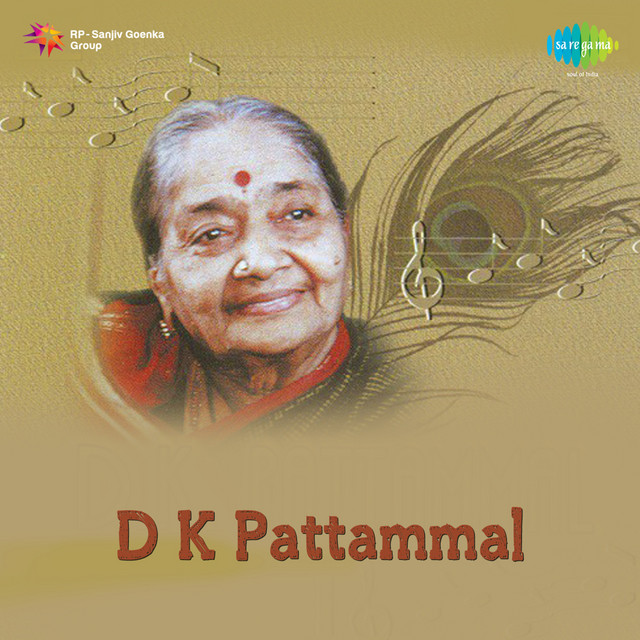
Key artists and ambassadors have shaped its reputation well beyond regional borders. The “Trinity” remains foundational: Tyagaraja, Dikshitar, and Syama Sastri are revered not only for their compositions but for their influence on how music is learned and performed. In the 20th century, legendary voices such as M.S. Subbulakshmi, Semmangudi Srinivasa Iyer, and D. K. Pattammal became global ambassadors, bringing Carnatic singing to concert halls, radio, and even international venues. Later generations—Ariyakudi Ramanuja Iyengar, K.J. Yesudas, and contemporary stars like S. Sowmya or Shreya Chandrasekar—continue to expand the genre’s reach.
Geographically, Carnatic vocal remains most deeply rooted in India, especially Tamil Nadu, Andhra Pradesh, Karnataka, and parts of Kerala. It maintains strong communities in Sri Lanka, Singapore, and Malaysia, where classical music circles thrive. Diaspora hubs in the United States, Canada, the United Kingdom, and Australia host regular concerts and pedagogy programs, helping the genre flourish worldwide. For enthusiasts, Carnatic vocal offers a rare blend of spiritual depth, technical rigor, and expressive storytelling that remains profoundly engaging across cultures.
How and when it was born and evolved is a story of refinement. Its roots lie in the devotional bhakti movements of South India, crystallizing over centuries into a sophisticated concert system by the medieval and early modern eras. A pivotal turning point came with Purandara Dasa (c. 15th–16th centuries), widely regarded as the father of Carnatic pedagogy for codifying teaching methods, scales, and the orderly progression of lessons—foundations that shaped generations of performers. The “trinity” of Carnatic composers—Tyagaraja (c. 1767–1847), Muthuswami Dikshitar (c. 1775–1835), and Syama Sastri (c. 1762–1827)—further elevated the art, forging a rich repertoire built around the kriti, a lyric-driven form typically structured with pallavi, anupallavi, and charana sections. Beyond the Trinity, countless composers added to a living canon that continues to grow through new works and innovative vocal approaches.
A Carnatic vocal performance is built around several core practices. The concert usually begins with a varnam or a short piece to establish the raga’s mood, followed by many kritis that display lyric beauty and doctrinal depth. A hallmark of the genre is improvisation: alapana (launched improvisation within a raga without tala), neraval (varied, poetic recitation of a line), and kalpana swaras (spontaneous melodic phrases). The vocalist must navigate emotion, rhythm, and nuance with precision, delivering a performance that can be both meditative and electrifying.
Key artists and ambassadors have shaped its reputation well beyond regional borders. The “Trinity” remains foundational: Tyagaraja, Dikshitar, and Syama Sastri are revered not only for their compositions but for their influence on how music is learned and performed. In the 20th century, legendary voices such as M.S. Subbulakshmi, Semmangudi Srinivasa Iyer, and D. K. Pattammal became global ambassadors, bringing Carnatic singing to concert halls, radio, and even international venues. Later generations—Ariyakudi Ramanuja Iyengar, K.J. Yesudas, and contemporary stars like S. Sowmya or Shreya Chandrasekar—continue to expand the genre’s reach.
Geographically, Carnatic vocal remains most deeply rooted in India, especially Tamil Nadu, Andhra Pradesh, Karnataka, and parts of Kerala. It maintains strong communities in Sri Lanka, Singapore, and Malaysia, where classical music circles thrive. Diaspora hubs in the United States, Canada, the United Kingdom, and Australia host regular concerts and pedagogy programs, helping the genre flourish worldwide. For enthusiasts, Carnatic vocal offers a rare blend of spiritual depth, technical rigor, and expressive storytelling that remains profoundly engaging across cultures.