Genre
carnatic
Top Carnatic Artists
Showing 25 of 34 artists







About Carnatic
Carnatic music is the classical tradition of South India, a living, breathing art form built on devotion, intricate theory, and breathtaking virtuosity. It matured over centuries in the courts, temples, and theatres of the Deccan, weaving temple music, Bhakti poetry, and a rich melodic and rhythmic system that defines Indian art music today. Though its roots stretch into ancient soundscapes, the period most often associated with its modern grammar spans from the 16th to the 19th centuries, when composers, performers, and patrons refined a stylistic code that could travel with the voice and be transmitted across generations.
At the heart of Carnatic music are ragas (melodic frameworks) and talas (rhythmic cycles). The principal vocal genre is the kriti, a structured song typically built around a melodic phrase and a text in Telugu, Tamil, Sanskrit, or Kannada. A concert usually unfolds with an elaborate alapana that reveals the raga’s character, followed by the rendering of a kriti’s sections, and in many cases a raga-based improvisation such as neraval and kalpana svara. The music places a premium on sruti (microtonal inflection) and gamaka (ornamental glide), demanding control, precision, and a deep sense of emotion.
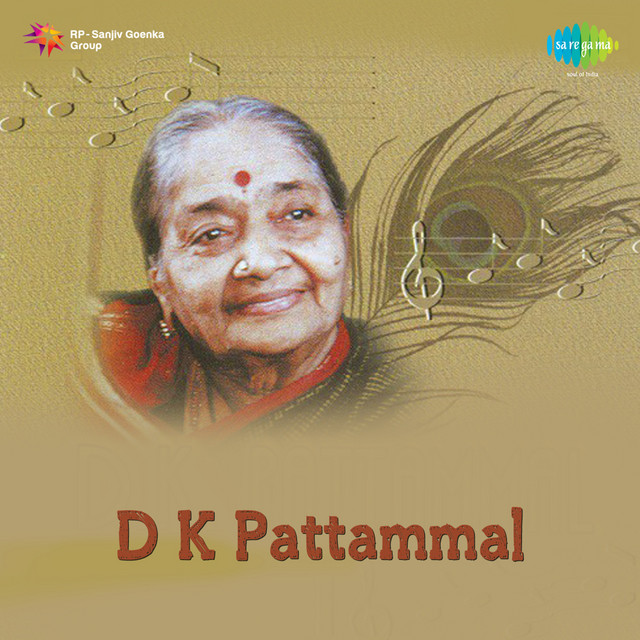
Carnatic music emerged most famously through the Trinity: Tyagaraja, Muthuswami Dikshitar, and Shyama Shastri, who lived in the 18th and early 19th centuries. Their krithis and padams remain touchstones for singers and instrumentalists alike. Tyagaraja’s verses express devotion to Rama; Dikshitar’s elaborate Sanskrit kritis weave temple pilgrimage into musical poetry; Shyama Shastri’s expressive, lyrical pieces add a contrasting hue to the canon. Later generations, including Semmangudi Srinivasa Iyer, M. Balamuralikrishna, D. K. Pattammal, L. Subramaniam, and Kadri Gopalnath, expanded the repertoire, raised technical standards, and helped carry Carnatic music to global stages.
Ambassadors of the genre have included vocalists who toured the world and became symbols of Indian classical music. The late M. S. Subbulakshmi became an emblem of grace and spiritual artistry, while D. K. Pattammal was a pioneering voice for women in concert life. Instrumental pioneers—violinists, veena players, flutists, and even saxophonists like Kadri Gopalnath—translated Carnatic language into new timbres and cross-cultural dialogue. Today, festivals and sabhas in Chennai’s December Music Season, along with concerts across the United States, Europe, Singapore, Malaysia, Australia, and beyond, testify to a robust, worldwide audience.
In essence, Carnatic music is a refined, living discipline: a vessel for devotion and emotion manifested through rigorous craft, a language rooted in Telugu, Tamil, Sanskrit, and Kannada, and a beacon for listeners who relish nuance, tempo, and the thrill of spontaneous improvisation within a centuries-old tradition.
At the heart of Carnatic music are ragas (melodic frameworks) and talas (rhythmic cycles). The principal vocal genre is the kriti, a structured song typically built around a melodic phrase and a text in Telugu, Tamil, Sanskrit, or Kannada. A concert usually unfolds with an elaborate alapana that reveals the raga’s character, followed by the rendering of a kriti’s sections, and in many cases a raga-based improvisation such as neraval and kalpana svara. The music places a premium on sruti (microtonal inflection) and gamaka (ornamental glide), demanding control, precision, and a deep sense of emotion.
Carnatic music emerged most famously through the Trinity: Tyagaraja, Muthuswami Dikshitar, and Shyama Shastri, who lived in the 18th and early 19th centuries. Their krithis and padams remain touchstones for singers and instrumentalists alike. Tyagaraja’s verses express devotion to Rama; Dikshitar’s elaborate Sanskrit kritis weave temple pilgrimage into musical poetry; Shyama Shastri’s expressive, lyrical pieces add a contrasting hue to the canon. Later generations, including Semmangudi Srinivasa Iyer, M. Balamuralikrishna, D. K. Pattammal, L. Subramaniam, and Kadri Gopalnath, expanded the repertoire, raised technical standards, and helped carry Carnatic music to global stages.
Ambassadors of the genre have included vocalists who toured the world and became symbols of Indian classical music. The late M. S. Subbulakshmi became an emblem of grace and spiritual artistry, while D. K. Pattammal was a pioneering voice for women in concert life. Instrumental pioneers—violinists, veena players, flutists, and even saxophonists like Kadri Gopalnath—translated Carnatic language into new timbres and cross-cultural dialogue. Today, festivals and sabhas in Chennai’s December Music Season, along with concerts across the United States, Europe, Singapore, Malaysia, Australia, and beyond, testify to a robust, worldwide audience.
In essence, Carnatic music is a refined, living discipline: a vessel for devotion and emotion manifested through rigorous craft, a language rooted in Telugu, Tamil, Sanskrit, and Kannada, and a beacon for listeners who relish nuance, tempo, and the thrill of spontaneous improvisation within a centuries-old tradition.