Genre
carnaval limburg
Top Carnaval limburg Artists
Showing 25 of 69 artists













About Carnaval limburg
Carnaval Limburg is a regional music aesthetic born from the distinctive Vastelaovend culture of the Limburg regions in the Netherlands and Belgium. It isn’t a single, fixed style so much as a living tradition: a danceable, choir-like, brass-forward sound that turns public squares into giant living rooms where everyone becomes part of the performance. The genre thrives on dialect, satire, communal singing, and the playful clash between tradition and modern production. It’s the sound of winter’s end in the Low Countries, a soundtrack to parades, after-parties, and neighborhood cafés where a crowd can recite a chorus together after the first verse.
Historically, Carnaval Limburg grew out of the 19th-century carnival revivals in the Limburg region, but it truly matured in the postwar decades. Local bands and choirs began organizing seasonal repertoires around the Vastelaovend, a festival that culminates on the days leading up to Lent. The music codified itself in the form of large brass ensembles, wailing trumpets, robust tubas, rolling drums, and accordions, augmented in more recent years by modern rhythm sections and digital elements. The hallmark is accessibility: melodies that coat themselves in joyous community sing-alongs, with lyrics often sung in Limburgish dialect or in Dutch, and occasionally with snippets of German or French influence reflecting Limburg’s cross-border character. This is music designed to be performed in outdoor spaces and to travel from “stoet” (parades) to “munten” (beer halls) to living rooms, always inviting audience participation.
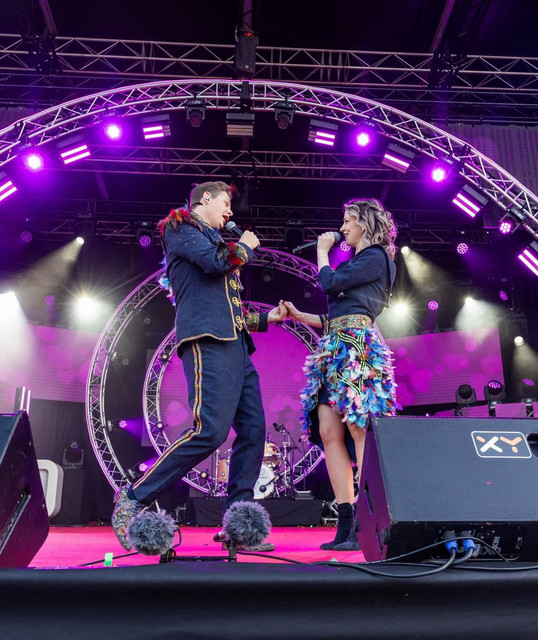
What defines the sound of Carnaval Limburg is a blend of brass-driven energy, infectious rhythm, and convivial storytelling. Typical tempos sit in the brisk, celebratory range, enough to carry a big parade but still intimate enough for a balcony sing-along. The instrumentation emphasizes horn lines and call-and-response sections, with a driving rhythm section that locks the feet of dancers, walkers, and onlookers alike. Lyrically, it’s a carnival of characters—jokers, magistrates, lovers, and everyday townsfolk—who poke fun at social pretensions and celebrate communal resilience. The production ethos favors crowd-pleasing hooks, catchy refrains, and memorable “anthems” that can be learned after a single chorus. Lighthearted satire and humor are common, and costumes—feathers, sequins, and bright colors—become part of the sonic experience as much as the visuals.
In terms of reach, Carnaval Limburg is most popular in the Limburg provinces of the Netherlands and Belgium, with loyal followings across neighboring border regions in Germany. It also cultivates a growing international curiosity among festival-goers and world-music enthusiasts who seek out regional sounds with strong cultural identity. Ambassadors of the genre are not just individual stars but the seasonal ensembles—brass bands, choir groups, and street musicians—whose annual repertoire becomes a cultural touchstone. Contemporary producers and arrangers who fuse traditional Limburg brass with electronic beats or pop-oriented structures are increasingly recognized as new ambassadors, expanding the sound while preserving its communal essence. The genre thus sits at a crossroads: rooted in place, yet open to collaboration and reinvention, inviting listeners to participate in a shared, joyous tradition.
Historically, Carnaval Limburg grew out of the 19th-century carnival revivals in the Limburg region, but it truly matured in the postwar decades. Local bands and choirs began organizing seasonal repertoires around the Vastelaovend, a festival that culminates on the days leading up to Lent. The music codified itself in the form of large brass ensembles, wailing trumpets, robust tubas, rolling drums, and accordions, augmented in more recent years by modern rhythm sections and digital elements. The hallmark is accessibility: melodies that coat themselves in joyous community sing-alongs, with lyrics often sung in Limburgish dialect or in Dutch, and occasionally with snippets of German or French influence reflecting Limburg’s cross-border character. This is music designed to be performed in outdoor spaces and to travel from “stoet” (parades) to “munten” (beer halls) to living rooms, always inviting audience participation.
What defines the sound of Carnaval Limburg is a blend of brass-driven energy, infectious rhythm, and convivial storytelling. Typical tempos sit in the brisk, celebratory range, enough to carry a big parade but still intimate enough for a balcony sing-along. The instrumentation emphasizes horn lines and call-and-response sections, with a driving rhythm section that locks the feet of dancers, walkers, and onlookers alike. Lyrically, it’s a carnival of characters—jokers, magistrates, lovers, and everyday townsfolk—who poke fun at social pretensions and celebrate communal resilience. The production ethos favors crowd-pleasing hooks, catchy refrains, and memorable “anthems” that can be learned after a single chorus. Lighthearted satire and humor are common, and costumes—feathers, sequins, and bright colors—become part of the sonic experience as much as the visuals.
In terms of reach, Carnaval Limburg is most popular in the Limburg provinces of the Netherlands and Belgium, with loyal followings across neighboring border regions in Germany. It also cultivates a growing international curiosity among festival-goers and world-music enthusiasts who seek out regional sounds with strong cultural identity. Ambassadors of the genre are not just individual stars but the seasonal ensembles—brass bands, choir groups, and street musicians—whose annual repertoire becomes a cultural touchstone. Contemporary producers and arrangers who fuse traditional Limburg brass with electronic beats or pop-oriented structures are increasingly recognized as new ambassadors, expanding the sound while preserving its communal essence. The genre thus sits at a crossroads: rooted in place, yet open to collaboration and reinvention, inviting listeners to participate in a shared, joyous tradition.