Genre
caucasian classical
Top Caucasian classical Artists
Showing 25 of 25 artists




About Caucasian classical
Caucasian Classical is a descriptive label some listeners and scholars use to talk about a cross-cultural strand within the broader classical tradition: music that sits at the hinge of Western concert music and the rich, regionally specific traditions of the Caucasus. It isn’t a formally codified genre in most musicological catalogs, but it names a recognizable sonic universe: orchestral and operatic idioms built on Caucasian folk melodies, modal scales, polyphonic textures, and rhythmic vitality, tailored for concert halls and international stages.
Birth and development
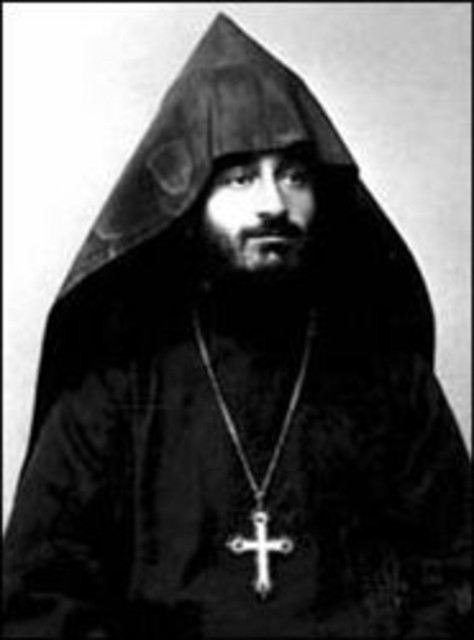
The roots of this creative conversation stretch back to the late 19th and early 20th centuries, when composers from Armenia, Georgia, and Azerbaijan began to fuse European techniques with indigenous musical languages. In Armenia, Komitas Vardapet played a pivotal ethnographic and artistic role, collecting and reworking folk songs that would influence later Armenian concert music. In Azerbaijan, Uzeyir Hajibeyov pioneered a national opera tradition by marrying mugham-inflected melodic thinking to Western operatic form, a fusion that helped lay the groundwork for a distinctly Azerbaijani classically oriented voice. Georgia contributed through composers who organized and elevated Georgian folk material into operas, choral works, and orchestral pieces, while Georgian polyphonic singing—an ancient and intricate three-part style—became a touchstone for composers seeking a uniquely Caucasian sonic fingerprint.
Mid- to late-20th century saw regional schools flourish under Soviet cultural policy, which encouraged national schools within a shared framework of harmony, orchestration, and form. The result is a body of works that can feel both deeply rooted in local timber and expansive enough to inhabit the concert repertoire of the world. The era also produced modern ambassadors who kept Caucasian voices audible beyond their borders, from ballet and film scores to symphonic poems and operatic repertory.
Key artists and ambassadors
- Aram Khachaturian (Armenia): A towering figure whose ballets and orchestral showpieces—most famously Sabre Dance from Gayane and the vibrant Masquerade Suite—integrate Armenian folk inflections with lush, cinematic orchestration.
- Uzeyir Hajibeyov (Azerbaijan): A pioneer of Azerbaijani musical theatre; his Leyli and Majnun is widely regarded as the first Azerbaijani opera, marking a watershed in cross-cultural synthesis and national musical identity.
- Zakharia Paliashvili (Georgia): A foundational Georgian composer whose operas and choral works helped crystallize a Georgian national style from folk sources and theatre music.
- Komitas Vardapet (Armenia): A seminal ethnomusicologist and composer who reshaped Armenian concert music through fieldwork and arrangement of traditional songs.
- Giya Kancheli (Georgia): A late-20th-century master whose intimate, austere, emotionally charged orchestral and choral scores broadened the Caucasian classical language into the realms of contemporary concert music.
- Fikrat Amirov (Azerbaijan): A composer noted for blending mugham with orchestral textures, contributing to a distinctly Azerbaijani strand within the classical spectrum.
Geography and audience
The strongest centers of Caucasian Classical activity remain Armenia, Georgia, and Azerbaijan, each with its own national schools and repertory. Diaspora communities in Russia, Turkey, Iran, and Western Europe have also embraced these voices, helping to sustain interest in both historic masterworks and newer, cross-cultural commissions. Georgians’ UNESCO-listed three-part polyphony is a landmark reference point for the region’s choral ethos, highlighting the region’s ongoing influence on global concert music.
What to listen for
Expect a music that marries robust orchestration with folk-inflected melodies, modal flavors, and rhythmic drive. Listen for the warmth and earthiness of folk timbres applied to symphonic textures, the distinctive Georgian polyphonic sensibility in choral writing, and the way mugham-inflected modes appear in Azerbaijani-inspired works. It’s a repertoire that rewards attentive listening and, often, a sense of theatrical storytelling.
Birth and development
The roots of this creative conversation stretch back to the late 19th and early 20th centuries, when composers from Armenia, Georgia, and Azerbaijan began to fuse European techniques with indigenous musical languages. In Armenia, Komitas Vardapet played a pivotal ethnographic and artistic role, collecting and reworking folk songs that would influence later Armenian concert music. In Azerbaijan, Uzeyir Hajibeyov pioneered a national opera tradition by marrying mugham-inflected melodic thinking to Western operatic form, a fusion that helped lay the groundwork for a distinctly Azerbaijani classically oriented voice. Georgia contributed through composers who organized and elevated Georgian folk material into operas, choral works, and orchestral pieces, while Georgian polyphonic singing—an ancient and intricate three-part style—became a touchstone for composers seeking a uniquely Caucasian sonic fingerprint.
Mid- to late-20th century saw regional schools flourish under Soviet cultural policy, which encouraged national schools within a shared framework of harmony, orchestration, and form. The result is a body of works that can feel both deeply rooted in local timber and expansive enough to inhabit the concert repertoire of the world. The era also produced modern ambassadors who kept Caucasian voices audible beyond their borders, from ballet and film scores to symphonic poems and operatic repertory.
Key artists and ambassadors
- Aram Khachaturian (Armenia): A towering figure whose ballets and orchestral showpieces—most famously Sabre Dance from Gayane and the vibrant Masquerade Suite—integrate Armenian folk inflections with lush, cinematic orchestration.
- Uzeyir Hajibeyov (Azerbaijan): A pioneer of Azerbaijani musical theatre; his Leyli and Majnun is widely regarded as the first Azerbaijani opera, marking a watershed in cross-cultural synthesis and national musical identity.
- Zakharia Paliashvili (Georgia): A foundational Georgian composer whose operas and choral works helped crystallize a Georgian national style from folk sources and theatre music.
- Komitas Vardapet (Armenia): A seminal ethnomusicologist and composer who reshaped Armenian concert music through fieldwork and arrangement of traditional songs.
- Giya Kancheli (Georgia): A late-20th-century master whose intimate, austere, emotionally charged orchestral and choral scores broadened the Caucasian classical language into the realms of contemporary concert music.
- Fikrat Amirov (Azerbaijan): A composer noted for blending mugham with orchestral textures, contributing to a distinctly Azerbaijani strand within the classical spectrum.
Geography and audience
The strongest centers of Caucasian Classical activity remain Armenia, Georgia, and Azerbaijan, each with its own national schools and repertory. Diaspora communities in Russia, Turkey, Iran, and Western Europe have also embraced these voices, helping to sustain interest in both historic masterworks and newer, cross-cultural commissions. Georgians’ UNESCO-listed three-part polyphony is a landmark reference point for the region’s choral ethos, highlighting the region’s ongoing influence on global concert music.
What to listen for
Expect a music that marries robust orchestration with folk-inflected melodies, modal flavors, and rhythmic drive. Listen for the warmth and earthiness of folk timbres applied to symphonic textures, the distinctive Georgian polyphonic sensibility in choral writing, and the way mugham-inflected modes appear in Azerbaijani-inspired works. It’s a repertoire that rewards attentive listening and, often, a sense of theatrical storytelling.