Genre
central asian folk
Top Central asian folk Artists
Showing 14 of 14 artists

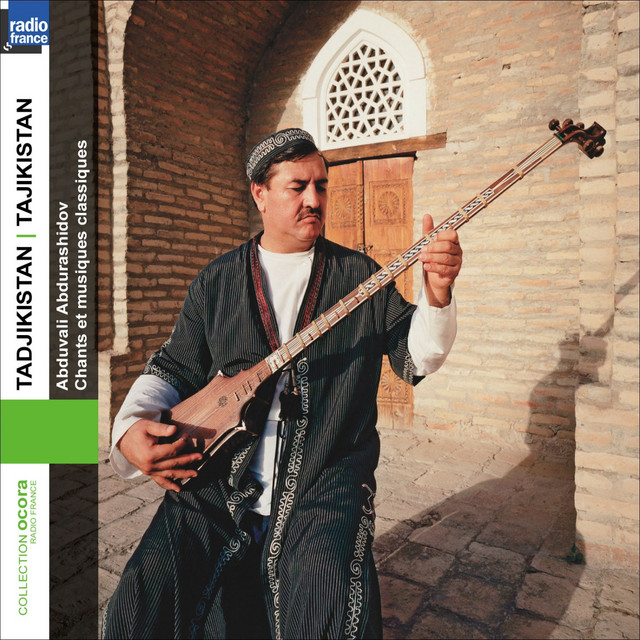
About Central asian folk
Central Asian folk is a broad, living tapestry that gathers the traditional music of the region born along the Silk Road, from the Kazakh steppe to the Kyrgyz mountains, from Uzbek oases to Tajik valleys and Turkmen deserts. It is not a single style but a family of related voices, instruments, and performance practices that preserve memory, epic storytelling, ritual life, and everyday work through sound. Its roots lie in centuries of nomadic mobility, oasis-deltas and caravan routes, where communities traded goods, stories, and tunes, absorbing Persian, Turkic, Mongolic, and local elements in a constant exchange.
One can hear central features that commonly recur across the repertoire: modal scales and microtones that give a singing quality to melodies; a strong emphasis on melodic line over dense harmony; and a flexible, improvisatory spirit that allows a performer to shape a piece in the moment. Instrumentation often centers on plucked lutes and fiddles—the dombra (Kazakh) and dutar (Uzbek/Tamlike Turkic traditions) as core voices, complemented by the komuz (a Kyrgyz three-string fretless lute) and the rubab or rebab (a short-neck lute common in Tajik and Afghan-influenced styles). The rhythm can be spare and drone-based or richly decorated with percussion such as the doira (a frame drum used in Turkmen and Uzbek ensembles) providing a steady heartbeat for dance or epic recitation.
A recurring distinction within Central Asian folk is its networks of living masters and epic singers. In Kyrgyzstan and Kazakhstan, the tradition is carried by akyns or zhyr masters—a lineage of improvising poets and singers who season long epic narratives (like the Manas cycle in Kyrgyz culture) with clever wordplay and vivid storytelling. In Turkmenistan and adjacent Turko-Iranian circles, bagshy (bards) perform heroic and ritual repertoires, often accompanied by plucked strings and percussion. In Uzbekistan and Tajikistan, the classical Shashmaqom (or maqom) tradition represents a sophisticated urban-folkloric art with centuries-long development, incorporating vocal ensembles and instrumental interludes that reflect a synthesis of Turkic and Persianate aesthetics. Shashmaqom is internationally recognized as part of the region’s intangible cultural heritage and serves as a touchstone for many contemporary ensembles.
Countries where Central Asian folk is most strongly kept alive include Kazakhstan, Kyrgyzstan, Uzbekistan, Tajikistan, Turkmenistan, and Tajik-influenced communities in Afghanistan and Xinjiang in China. It also travels with diaspora communities in Russia, Turkey, Europe, and North America, where festivals and world-music labels present it to new listeners. Modern ambassadors of the genre range from traditional masters keeping the old scales and repertoires intact to contemporary groups that fuse folk with jazz, ambient, or rock textures, inviting a wider audience without diluting the essence of the core traditions.
For enthusiasts, Central Asian folk offers both the intimate thrill of a solo virtuoso and the collective power of a village ensemble. It invites attentive listening to the subtleties of microtonal melody, to the sparring of solo instruments with voice, and to the storytelling impulse that keeps history alive through song. If you seek a gateway, start with Shashmaqom’s refined urban sound, sample the raw epic energy of akyn-inspired Kyrgyz performances, and then explore the dombra and dutar-led pieces that carry the heartbeat of the plains.
One can hear central features that commonly recur across the repertoire: modal scales and microtones that give a singing quality to melodies; a strong emphasis on melodic line over dense harmony; and a flexible, improvisatory spirit that allows a performer to shape a piece in the moment. Instrumentation often centers on plucked lutes and fiddles—the dombra (Kazakh) and dutar (Uzbek/Tamlike Turkic traditions) as core voices, complemented by the komuz (a Kyrgyz three-string fretless lute) and the rubab or rebab (a short-neck lute common in Tajik and Afghan-influenced styles). The rhythm can be spare and drone-based or richly decorated with percussion such as the doira (a frame drum used in Turkmen and Uzbek ensembles) providing a steady heartbeat for dance or epic recitation.
A recurring distinction within Central Asian folk is its networks of living masters and epic singers. In Kyrgyzstan and Kazakhstan, the tradition is carried by akyns or zhyr masters—a lineage of improvising poets and singers who season long epic narratives (like the Manas cycle in Kyrgyz culture) with clever wordplay and vivid storytelling. In Turkmenistan and adjacent Turko-Iranian circles, bagshy (bards) perform heroic and ritual repertoires, often accompanied by plucked strings and percussion. In Uzbekistan and Tajikistan, the classical Shashmaqom (or maqom) tradition represents a sophisticated urban-folkloric art with centuries-long development, incorporating vocal ensembles and instrumental interludes that reflect a synthesis of Turkic and Persianate aesthetics. Shashmaqom is internationally recognized as part of the region’s intangible cultural heritage and serves as a touchstone for many contemporary ensembles.
Countries where Central Asian folk is most strongly kept alive include Kazakhstan, Kyrgyzstan, Uzbekistan, Tajikistan, Turkmenistan, and Tajik-influenced communities in Afghanistan and Xinjiang in China. It also travels with diaspora communities in Russia, Turkey, Europe, and North America, where festivals and world-music labels present it to new listeners. Modern ambassadors of the genre range from traditional masters keeping the old scales and repertoires intact to contemporary groups that fuse folk with jazz, ambient, or rock textures, inviting a wider audience without diluting the essence of the core traditions.
For enthusiasts, Central Asian folk offers both the intimate thrill of a solo virtuoso and the collective power of a village ensemble. It invites attentive listening to the subtleties of microtonal melody, to the sparring of solo instruments with voice, and to the storytelling impulse that keeps history alive through song. If you seek a gateway, start with Shashmaqom’s refined urban sound, sample the raw epic energy of akyn-inspired Kyrgyz performances, and then explore the dombra and dutar-led pieces that carry the heartbeat of the plains.