Genre
chabad niggunim
Top Chabad niggunim Artists
Showing 20 of 20 artists

5
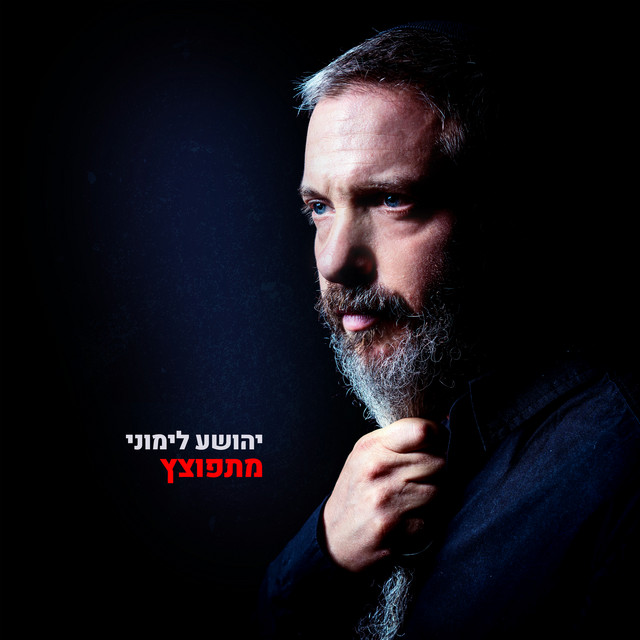
יהושע לימוני
Israel
1,247
7,203 listeners




About Chabad niggunim
Chabad niggunim are a distinct strand of Hasidic Jewish music rooted in the Lubavitch (Chabad-Lubavitch) movement. A niggun is a melody sung with few or no words, designed to lift the heart and open the listener to spiritual feeling. In Chabad communities, niggunim are more than entertainment: they are a prayerful, communal practice that accompanies study, prayer, joyous gatherings, and the social soul of the movement. They are often simple enough to be learned by a group quickly, yet profound enough to carry deep yearning and inspiration.
Origins and evolution. Niggunim in Hasidic tradition trace back to 18th- and 19th-century Eastern Europe, where Hasidic masters taught melodies to evoke devotion and ecstasy. Within Chabad-Lubavitch, a particular repertoire of tunes grew around the movement’s centers—especially during Shabbat meals, prayer, and the festive farbrengens (gatherings with storytelling, song, and celebration). The Chabad approach emphasized accessibility and communal participation: melodies are shared across generations, transmitted in family circles, yeshiva rooms, and Chabad houses worldwide. After World War II and with the global expansion of Lubavitch outreach, these tunes spread far beyond Crown Heights and Brooklyn, taking root in Chabad houses in North America, Israel, and abroad. In the late 20th and early 21st centuries, recordings and live performances helped codify a global, more discoverable Chabad niggun repertoire, while still being passed on orally within communities.
Musical character. Chabad niggunim tend to be melodic, soulful, and highly repetitive, designed to anchor the listener in a single emotional or spiritual mood—gratitude, longing, trust, or celebration. They often employ modal scales and a gently lilting cadence that makes them easy to join in, even for the untrained singer. The performance setting is crucial: niggunim shine in group singing, with call-and-response moments, and in the intimate, seated or dancing ambiance of a farbrengen or a Shabbat table. While many tunes are wordless, others carry simple refrains or lyrics drawn from prayers or Torah verses, serving as anchors that the group can chant together.
Ambassadors and key figures. In the modern era, several artists have brought Chabad niggunim to wider audiences. Avraham Fried is one of the best-known contemporary performers within Lubavitch circles, renowned for albums and live sets that feature a Chabad-inflected melodic sensibility. Matisyahu, whose early work fused Hasidic spirituality with contemporary genres, became a global ambassador of a Jewish, Hadzidic-inspired sound that often includes niggun-like devotional singing. While Shlomo Carlebach is not a Lubavitcher by birth, his devotional, wordless or semi-wordless melodies influenced many Hasidic streams and opened doors for Chabad musicians to reach broader audiences. Together, these artists—alongside countless community musicians and shlichim who compose, perform, and teach—keep the genre vibrant in clubs, synagogues, and at weddings.
Geography and audience. Chabad niggunim are most popular in places with strong, organized Jewish communities and active Chabad outreach: the United States (especially New York and other Hasidic-influenced locales), Israel (particularly Jerusalem, Bnei Brak, and Kfar Chabad), Canada, the United Kingdom, Europe, and parts of South America and Australia. They appear at Shabbat meals, farbrengens, weddings, and holiday gatherings, and increasingly on streaming platforms and at international Jewish music festivals. The genre remains a living, evolving practice—an audible expression of faith, community, and the global Chabad family.
Origins and evolution. Niggunim in Hasidic tradition trace back to 18th- and 19th-century Eastern Europe, where Hasidic masters taught melodies to evoke devotion and ecstasy. Within Chabad-Lubavitch, a particular repertoire of tunes grew around the movement’s centers—especially during Shabbat meals, prayer, and the festive farbrengens (gatherings with storytelling, song, and celebration). The Chabad approach emphasized accessibility and communal participation: melodies are shared across generations, transmitted in family circles, yeshiva rooms, and Chabad houses worldwide. After World War II and with the global expansion of Lubavitch outreach, these tunes spread far beyond Crown Heights and Brooklyn, taking root in Chabad houses in North America, Israel, and abroad. In the late 20th and early 21st centuries, recordings and live performances helped codify a global, more discoverable Chabad niggun repertoire, while still being passed on orally within communities.
Musical character. Chabad niggunim tend to be melodic, soulful, and highly repetitive, designed to anchor the listener in a single emotional or spiritual mood—gratitude, longing, trust, or celebration. They often employ modal scales and a gently lilting cadence that makes them easy to join in, even for the untrained singer. The performance setting is crucial: niggunim shine in group singing, with call-and-response moments, and in the intimate, seated or dancing ambiance of a farbrengen or a Shabbat table. While many tunes are wordless, others carry simple refrains or lyrics drawn from prayers or Torah verses, serving as anchors that the group can chant together.
Ambassadors and key figures. In the modern era, several artists have brought Chabad niggunim to wider audiences. Avraham Fried is one of the best-known contemporary performers within Lubavitch circles, renowned for albums and live sets that feature a Chabad-inflected melodic sensibility. Matisyahu, whose early work fused Hasidic spirituality with contemporary genres, became a global ambassador of a Jewish, Hadzidic-inspired sound that often includes niggun-like devotional singing. While Shlomo Carlebach is not a Lubavitcher by birth, his devotional, wordless or semi-wordless melodies influenced many Hasidic streams and opened doors for Chabad musicians to reach broader audiences. Together, these artists—alongside countless community musicians and shlichim who compose, perform, and teach—keep the genre vibrant in clubs, synagogues, and at weddings.
Geography and audience. Chabad niggunim are most popular in places with strong, organized Jewish communities and active Chabad outreach: the United States (especially New York and other Hasidic-influenced locales), Israel (particularly Jerusalem, Bnei Brak, and Kfar Chabad), Canada, the United Kingdom, Europe, and parts of South America and Australia. They appear at Shabbat meals, farbrengens, weddings, and holiday gatherings, and increasingly on streaming platforms and at international Jewish music festivals. The genre remains a living, evolving practice—an audible expression of faith, community, and the global Chabad family.