Genre
chamame brasilero
Top Chamame brasilero Artists
Showing 6 of 6 artists
About Chamame brasilero
Chamamé brasilero is the Brazilian face of a broader Chamamé family, a lively, dance-driven folk tradition that travels along the borderlands between Argentina, Paraguay and Brazil. It is a music born from a crossroads: the northeast Argentine province of Corrientes, with its Guaraní substrata and European immigrant flavors, but rapidly expanding into neighboring Brazil where it absorbs new rhythms, languages and atmospheres while keeping its distinctive heartbeat.
Origins and birthing moment
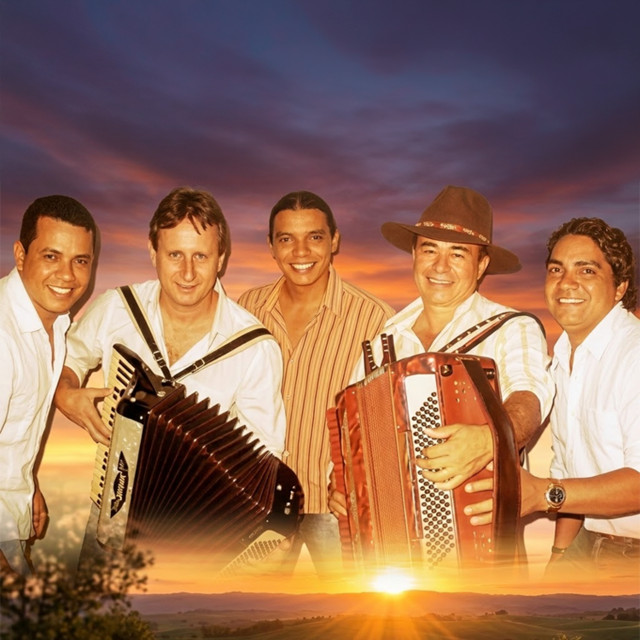
Chamamé emerged in the early to mid-20th century in the Mesopotamian region (Corrientes and nearby zones), maturing through the synthesis of Guaraní musical elements, Argentine and Paraguayan folk sensibilities, and the improvising spirit of itinerant musicians. The accordion (diatonic or button) and guitar became its core instruments, along with percussion and voice that often alternates between narrative ballad and contagious dance tempo. The term Chamamé is linked to the cultural landscape of the region—a music and dance born in social gatherings, rural fiestas, and urban dances that turned into a shared identity for families and communities.
Chamamé brasilero in Brazil
As families migrated and cross-border exchanges intensified, Chamamé crossed into Brazil, spreading most visibly in border towns and states touching Paraguay and Argentina—especially in Mato Grosso do Sul, Paraná and surrounding areas. There, local musicians began to perform Chamamé with a Brazilian sensibility, inviting new lyrics, production ideas, and collaborations that blurred strict national lines. Chamamé brasilero tends to balance the traditional, heartfelt melodicism of Argentinian chamamés with Brazilian rhythmic openness and production nuance, making it accessible to Brazilian audiences while preserving the genre’s storytelling core.
Sound and form
Chamamé brasilero shares the signature Chamamé’s lilting 6/8 (often felt as a two-step or three-beat pattern) and a song-centered approach that can range from tender love songs to communal, festive anthems. The melodic line tends to be expressive and hopeful, with accordion melodies weaving through guitar and bass, supported by percussion that drives the dance floor. In Brazil, producers and performers experiment with cross-genre fusions—elements of sertanejo, forró, or contemporary pop—without losing the essential Chamamé soul: a music of memory, family, and regional pride.
Ambassadors and key voices
Among the acknowledged ambassadors of Chamamé, Chango Spasiuk stands out as a global ambassador of the style. His accordion-led projects and international collaborations helped bring Chamamé to European and North American stages, including Brazilian audiences, where his lucid, emotional playing resonates with a broad spectrum of listeners. In Argentina’s Chamamé scene, Chaqueño Palavecino remains a celebrated voice, commanding large audiences with robust, storytelling performances. In Brazil, Chamamé brasilero is carried forward by border communities and contemporary ensembles that keep the repertoire alive while inviting new listeners through festivals and cross-border collaborative projects.
Why it matters to enthusiasts
For fans, Chamamé brasilero offers a compelling narrative of cultural blending—where a vibrant Argentinian and Paraguayan tradition travels, adapts, and thrives within Brazilian musical life. It is music of the road and the river, of families dancing in front porches and on festival stages, of language mixing and shared memoria. It invites attentive listening—the subtleties of accordion phrasing, the warmth of vocal lines, and the way a simple dance rhythm can carry a community’s memory across borders.
Origins and birthing moment
Chamamé emerged in the early to mid-20th century in the Mesopotamian region (Corrientes and nearby zones), maturing through the synthesis of Guaraní musical elements, Argentine and Paraguayan folk sensibilities, and the improvising spirit of itinerant musicians. The accordion (diatonic or button) and guitar became its core instruments, along with percussion and voice that often alternates between narrative ballad and contagious dance tempo. The term Chamamé is linked to the cultural landscape of the region—a music and dance born in social gatherings, rural fiestas, and urban dances that turned into a shared identity for families and communities.
Chamamé brasilero in Brazil
As families migrated and cross-border exchanges intensified, Chamamé crossed into Brazil, spreading most visibly in border towns and states touching Paraguay and Argentina—especially in Mato Grosso do Sul, Paraná and surrounding areas. There, local musicians began to perform Chamamé with a Brazilian sensibility, inviting new lyrics, production ideas, and collaborations that blurred strict national lines. Chamamé brasilero tends to balance the traditional, heartfelt melodicism of Argentinian chamamés with Brazilian rhythmic openness and production nuance, making it accessible to Brazilian audiences while preserving the genre’s storytelling core.
Sound and form
Chamamé brasilero shares the signature Chamamé’s lilting 6/8 (often felt as a two-step or three-beat pattern) and a song-centered approach that can range from tender love songs to communal, festive anthems. The melodic line tends to be expressive and hopeful, with accordion melodies weaving through guitar and bass, supported by percussion that drives the dance floor. In Brazil, producers and performers experiment with cross-genre fusions—elements of sertanejo, forró, or contemporary pop—without losing the essential Chamamé soul: a music of memory, family, and regional pride.
Ambassadors and key voices
Among the acknowledged ambassadors of Chamamé, Chango Spasiuk stands out as a global ambassador of the style. His accordion-led projects and international collaborations helped bring Chamamé to European and North American stages, including Brazilian audiences, where his lucid, emotional playing resonates with a broad spectrum of listeners. In Argentina’s Chamamé scene, Chaqueño Palavecino remains a celebrated voice, commanding large audiences with robust, storytelling performances. In Brazil, Chamamé brasilero is carried forward by border communities and contemporary ensembles that keep the repertoire alive while inviting new listeners through festivals and cross-border collaborative projects.
Why it matters to enthusiasts
For fans, Chamamé brasilero offers a compelling narrative of cultural blending—where a vibrant Argentinian and Paraguayan tradition travels, adapts, and thrives within Brazilian musical life. It is music of the road and the river, of families dancing in front porches and on festival stages, of language mixing and shared memoria. It invites attentive listening—the subtleties of accordion phrasing, the warmth of vocal lines, and the way a simple dance rhythm can carry a community’s memory across borders.