Genre
chamber music
Top Chamber music Artists
Showing 25 of 14,931 artists








About Chamber music
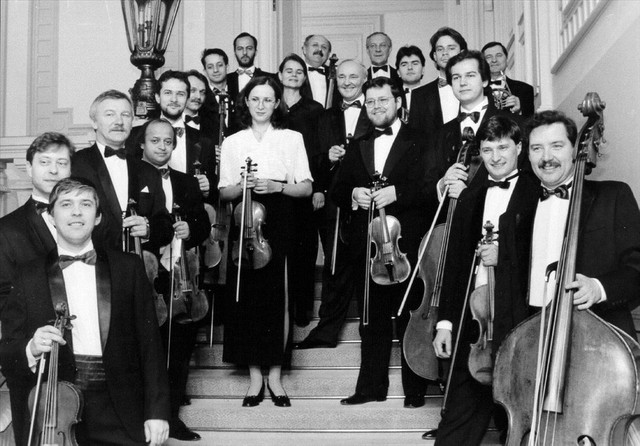
Chamber music is the art of intimate conversation through sound, written for a small ensemble in which each instrument has a distinct, essential voice. Born from the social salons and royal courts of 17th-century Europe, it gradually matured into what listeners today consider the core of classical artistry: music meant to be heard up close, without conductors, in a room where players and audience share the same air.
Origins lie in the “continuo” and trio sonatas of the Baroque, but the genre found its true footing in the Classical era. By the late 18th century, composers turned the ensemble into a laboratory for musical ideas: a string quartet, usually two violins, viola, and cello, became the standard bearer; the piano trio, sonatas for two instruments with piano, and wind quintets broadened the palette. The term chamber music itself signals a setting for a few listeners and players, not a concert hall.
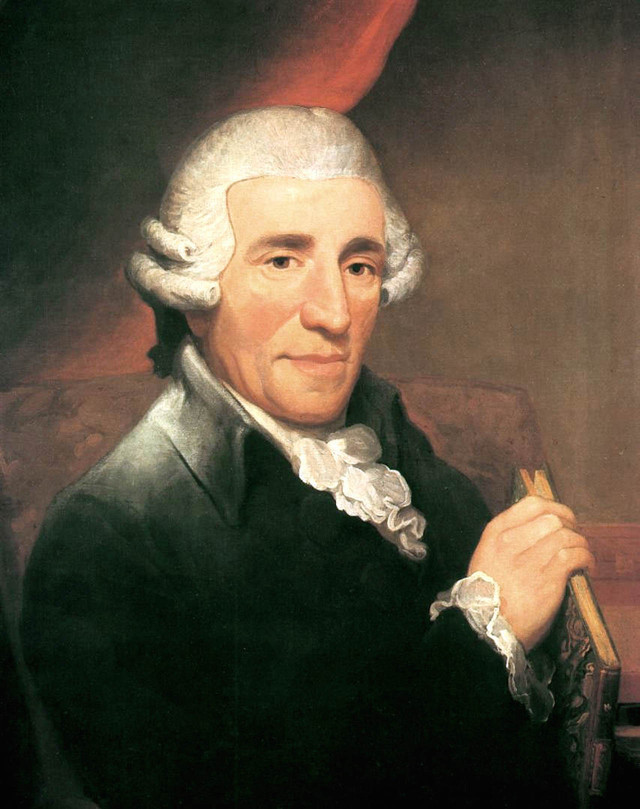
Key figures loomed large. Joseph Haydn, often regarded as the father of chamber music, forged countless string quartets and divertimentos that tested harmony, texture, and form. Wolfgang Amadeus Mozart refined the language with emotion and clarity, expanding expressive range while preserving conversation-like balance. Ludwig van Beethoven pushed the genre toward ambitious structural boldness—late quartets that mingle introspection with propulsion remain touchstones of the repertoire. In the 19th century, Franz Schubert’s lyric warmth and rich harmonic language expanded the chamber idiom, followed by Brahms, whose intimate yet grand textures bridged classical brevity and Romantic grandeur.
Beyond the core quartet, chamber music thrives in trios, duos, and quintets: piano trios and violin sonatas, clarinet quintets, and wind ensembles are beloved by performers and listeners alike. Its ambassadors appear not only among canonical names but also in vibrant modern voices: Jean Sibelius and Dmitri Shostakovich wrote transformative works for string and wind groups; Béla Bartók and Heitor Villa-Lobos fused folk sensibilities with scholarly craft; contemporary composers continue expanding the texture with electronics, extended techniques, and cross-genre dialogue.
Chamber music is especially associated with Central Europe’s classical experiment—Austria, Germany, and the Czech lands shaped its early lexicon. It also flourished in Italy’s courts, France’s salons, and later in Britain and Russia, where chamber works circulated in private houses, scholarly societies, and, increasingly, public theaters. In the United States and Scandinavia, the tradition matured anew as composers and performers created vibrant modern repertoires and festival circuits.
Today the genre feels both historic and living: intimate chamber works still demand disciplined listening and nuanced ensemble, yet they invite modern sensibilities—programming that pairs period performance with contemporary ideas, touring ensembles that bring the music to classrooms, concert halls, and community spaces alike. The result is a genre that never stops speaking softly, and then suddenly, with striking clarity, speaking loudly.
Enthusiasts can hear chamber music in intimate halls, conservatories, and stages worldwide today, where intimate dialogues between instruments reveal everything from classical discipline to adventurous experimentation. For listeners, the magic lies in how a small group makes a large emotional world feel immediate and alive for audiences.