Genre
chamber psych
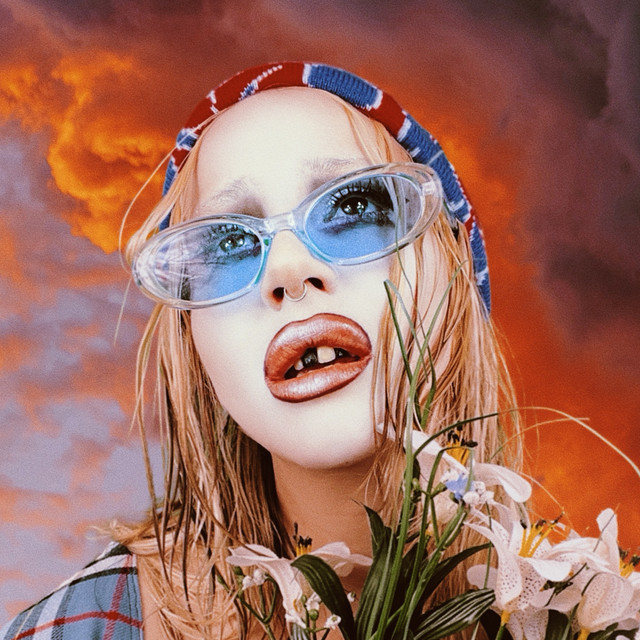
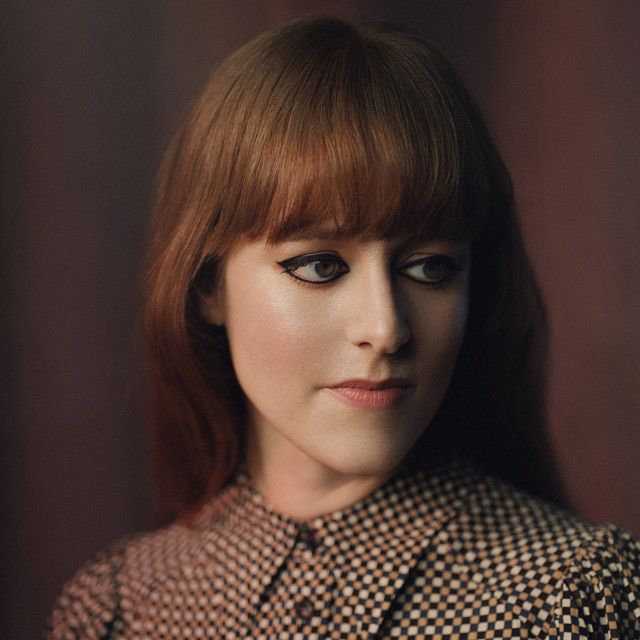
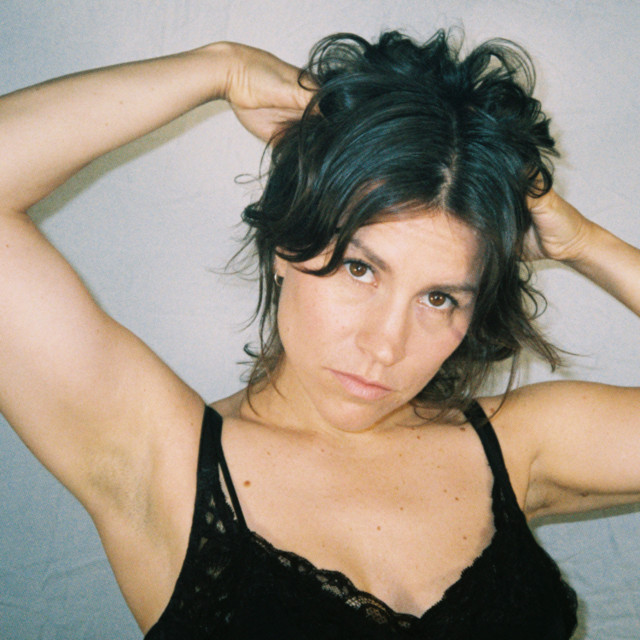
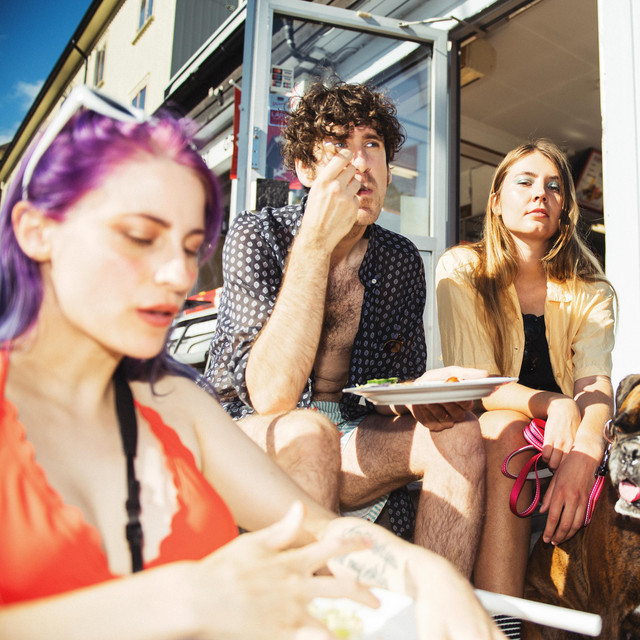
Top Chamber psych Artists
Showing 25 of 59 artists


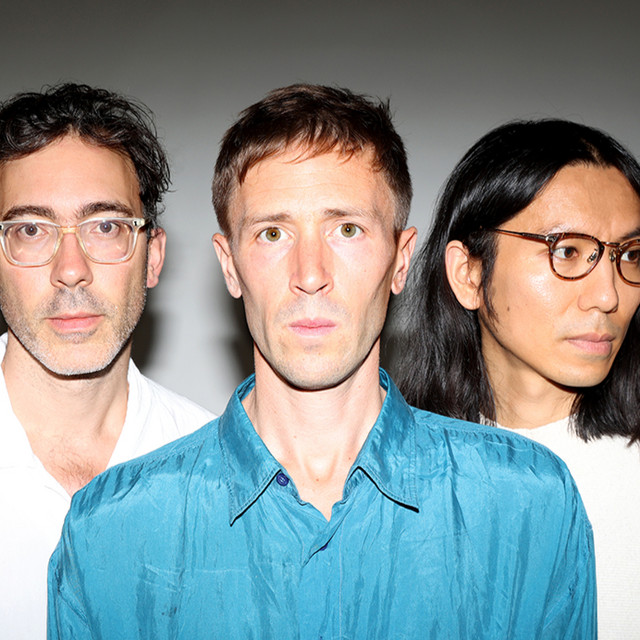
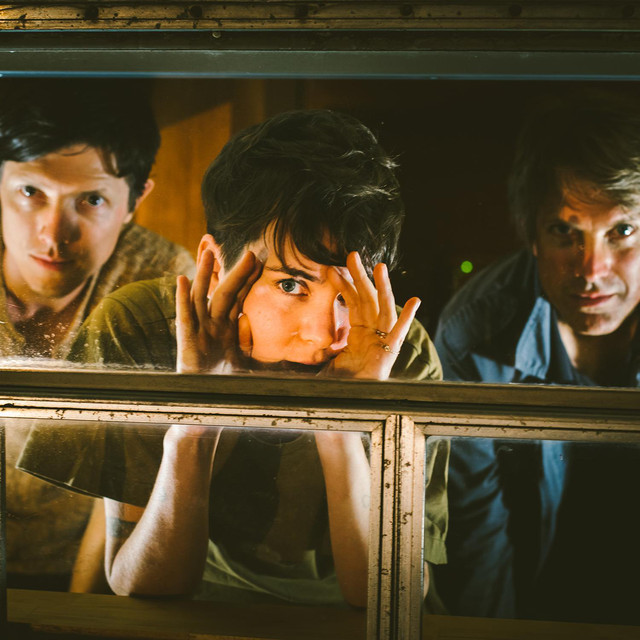
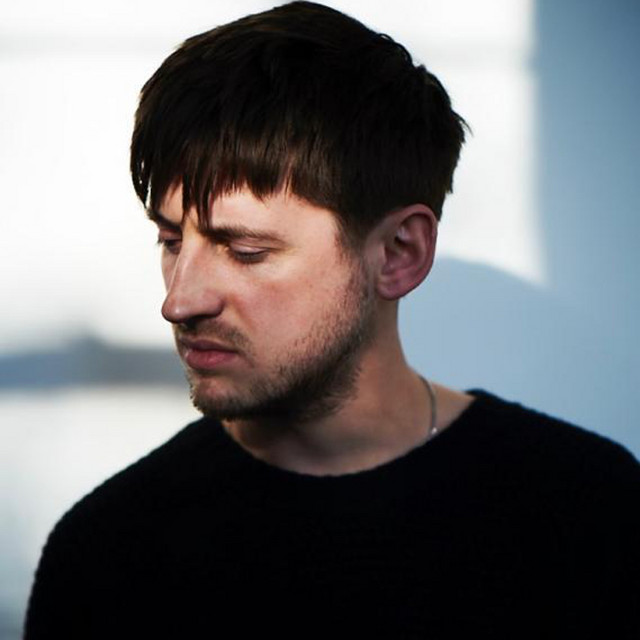
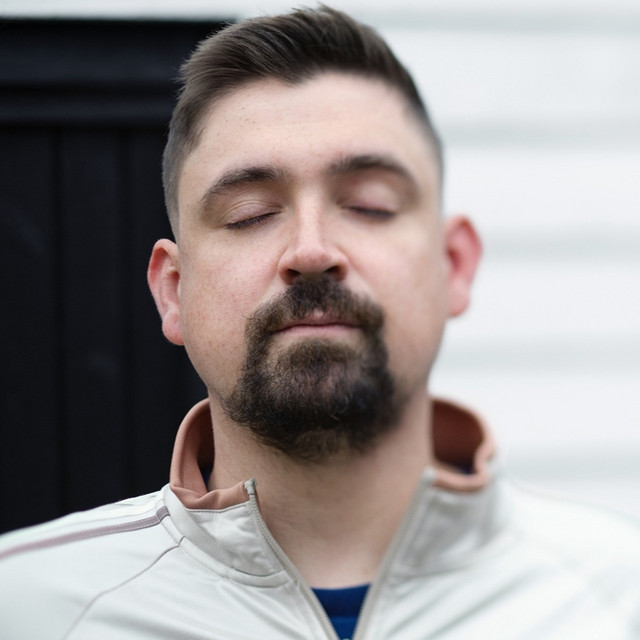

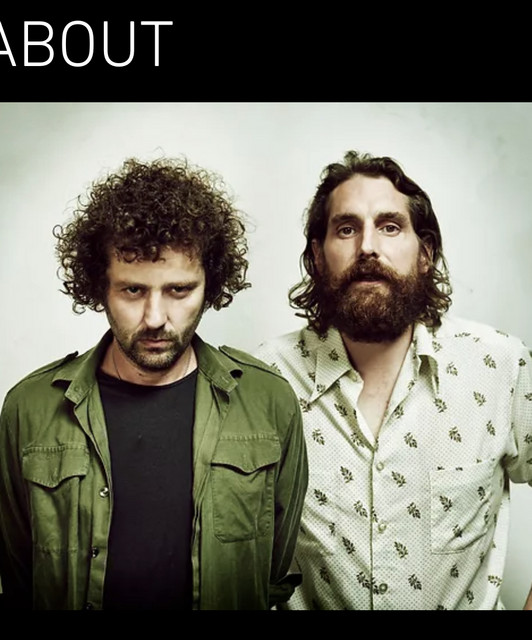
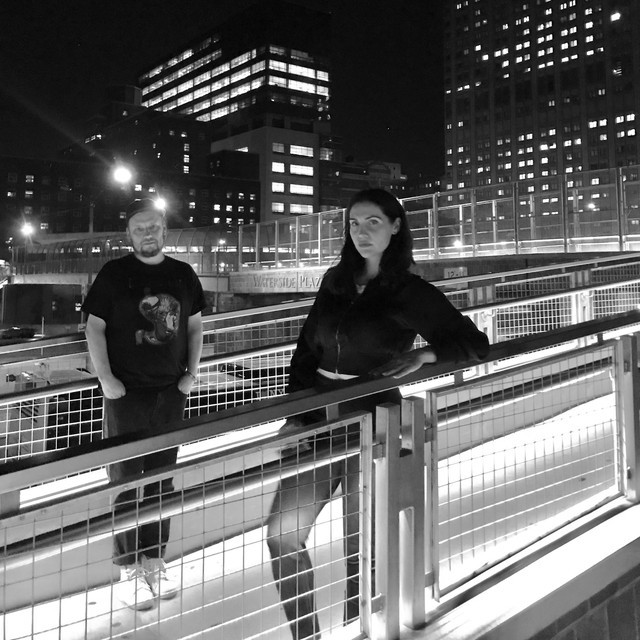
About Chamber psych
Chamber psych is a hazy fusion of the precise, intimate textures of chamber music with the drifting, kaleidoscopic explorations of psychedelic rock. It treats the studio as an instrument: strings or woodwinds weave alongside guitar, keys, and reverb-drenched vocals; melodies can feel formal and delicate, then suddenly bloom into a lush, otherworldly swell. The effect is deliberate, cinematic, and often hypnotic, inviting listeners into rooms that feel both cathedral-like and haunted by echo.
Origins trace to the late 1960s, when rock bands began layering classical textures onto rock songs. The era’s most visible thread comes from baroque-pop and art-rock: The Beatles’ late-era experiments around Pepper’s and the White Album; The Moody Blues’ Days of Future Passed, which fused a full orchestra to rock songs; The Left Banke’s Walk Away Renée showing how delicate strings could reshape pop. The Canterbury scene—Soft Machine, Caravan, and their peers—pushed jazz-inflected psychedelia into chamber-like atmospheres, showing that complexity and warmth could coexist at volume. Those impulses would resurface in later decades as bands sought to fuse classical nuance with electric amplification.
In the 1990s and 2000s a revival gathered momentum. Stereolab layered vintage keyboards, drones, and orchestral textures into a cool, spacey groove that many listeners hear as a modern cousin to earlier chamber-psych experiments. Broadcast cultivated a spare, spectral variant—tape warmth, harmonized voices, and eerie electronics that feel like a broadcast from a long-vanished studio. The Clientele leaned into lush, nostalgic guitar lines and soft harmonies, giving the style a more intimate, pop-adjacent face. Across these strands, the spectrum widened toward dream-pop, indie-psych, and hauntological aesthetics—yet the through-line remains the same: a disciplined approach to arrangement paired with a willingness to warp texture and tempo.
What defines the sound today is not a fixed set of instruments but a mindset: deliberate, composed arrangements where classical timbres sit beside fuzz, reverb, and tape delay; melodic arcs that flirt with classical cadences; and a sense that the music exists in a space that could be a drawing room or a concert hall, but sounds like it was recorded in a lucid dream. The atmosphere is often intimate, even when the sonics swell to cinematic scale.
Geographically, chamber psych found fertile ground in the United Kingdom and the United States, where indie-rock and art-rock histories intersect most deeply. It also flourishes in parts of Europe—especially in Scandinavia and Germany—and has a devoted niche following in Japan and other Asia-Pacific scenes. For newcomers, a good start is to explore Stereolab’s Dots and Loops, Broadcast’s The Noise Made by People, and The Clientele’s Suburban Light, then trace the lineage outward to the broader art-psych and hauntology repertoires.
Live performances by UK indie-psych and US experimental acts reveal chamber psych’s strength in intimate venues, where silence between notes matters. The history stays alive as new listeners explore.
Origins trace to the late 1960s, when rock bands began layering classical textures onto rock songs. The era’s most visible thread comes from baroque-pop and art-rock: The Beatles’ late-era experiments around Pepper’s and the White Album; The Moody Blues’ Days of Future Passed, which fused a full orchestra to rock songs; The Left Banke’s Walk Away Renée showing how delicate strings could reshape pop. The Canterbury scene—Soft Machine, Caravan, and their peers—pushed jazz-inflected psychedelia into chamber-like atmospheres, showing that complexity and warmth could coexist at volume. Those impulses would resurface in later decades as bands sought to fuse classical nuance with electric amplification.
In the 1990s and 2000s a revival gathered momentum. Stereolab layered vintage keyboards, drones, and orchestral textures into a cool, spacey groove that many listeners hear as a modern cousin to earlier chamber-psych experiments. Broadcast cultivated a spare, spectral variant—tape warmth, harmonized voices, and eerie electronics that feel like a broadcast from a long-vanished studio. The Clientele leaned into lush, nostalgic guitar lines and soft harmonies, giving the style a more intimate, pop-adjacent face. Across these strands, the spectrum widened toward dream-pop, indie-psych, and hauntological aesthetics—yet the through-line remains the same: a disciplined approach to arrangement paired with a willingness to warp texture and tempo.
What defines the sound today is not a fixed set of instruments but a mindset: deliberate, composed arrangements where classical timbres sit beside fuzz, reverb, and tape delay; melodic arcs that flirt with classical cadences; and a sense that the music exists in a space that could be a drawing room or a concert hall, but sounds like it was recorded in a lucid dream. The atmosphere is often intimate, even when the sonics swell to cinematic scale.
Geographically, chamber psych found fertile ground in the United Kingdom and the United States, where indie-rock and art-rock histories intersect most deeply. It also flourishes in parts of Europe—especially in Scandinavia and Germany—and has a devoted niche following in Japan and other Asia-Pacific scenes. For newcomers, a good start is to explore Stereolab’s Dots and Loops, Broadcast’s The Noise Made by People, and The Clientele’s Suburban Light, then trace the lineage outward to the broader art-psych and hauntology repertoires.
Live performances by UK indie-psych and US experimental acts reveal chamber psych’s strength in intimate venues, where silence between notes matters. The history stays alive as new listeners explore.