Genre
chapel hill sound
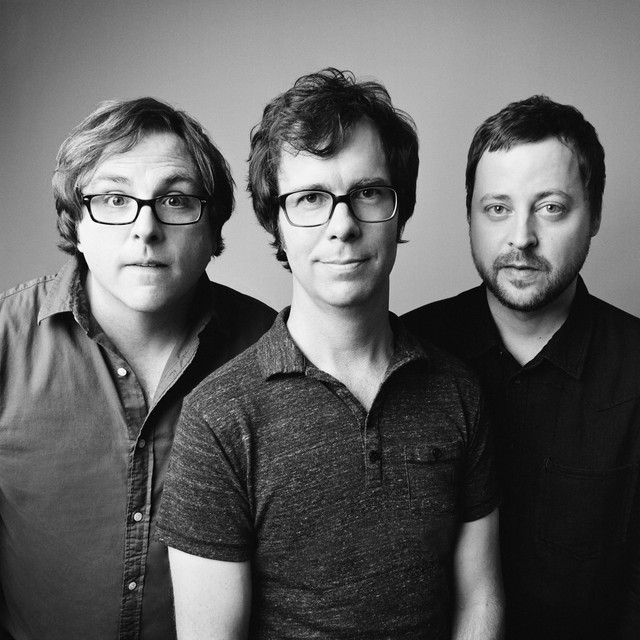
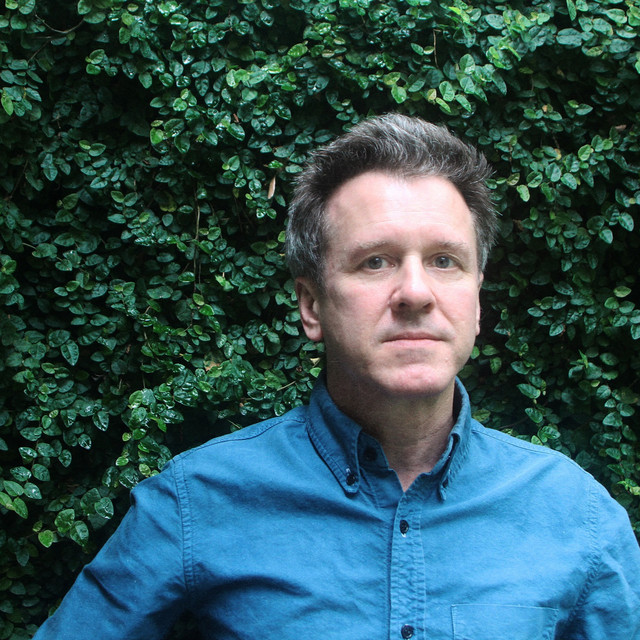
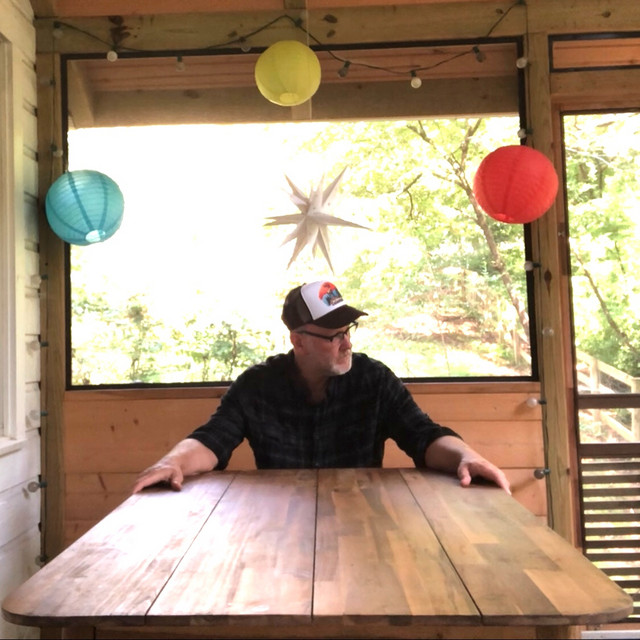
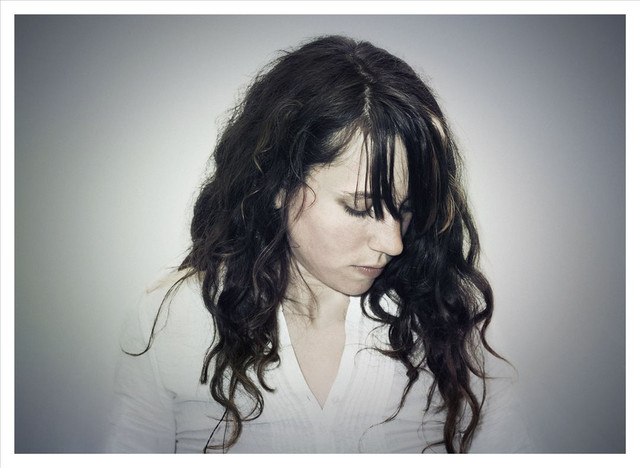
Top Chapel hill sound Artists
Showing 9 of 9 artists



About Chapel hill sound
The Chapel Hill sound is a label critics and fans use to describe a wave of indie rock that emerged from Chapel Hill, North Carolina, in the late 1980s and found its most influential expression through Merge Records in the 1990s. It isn’t a single formula, but a sensibility: brisk guitar work, a DIY ethic, hooky melodies braided with dissonance, and a willingness to push pop instincts into exploratory corners. The result was a sound that felt both intimate and roomy, electric and tactile, like a small club audience heard through a wide, reverberant room.
Origins and birth
The scene coalesced where college-town energy met a pragmatic, do-it-yourself approach. The University of North Carolina at Chapel Hill and nearby music spaces nurtured a community of bands that paired jangly guitar lines with punchy rhythms. Merge Records, founded in 1989 by Laura Ballance and Mac McCaughan (both deeply embedded in Chapel Hill’s bands), became the sonic home for many of these acts and helped codify the aesthetic. By the early 1990s, Chapel Hill had earned a reputation for tight, adventurous indie rock that never forgot its roots in the basement rehearsal space. The core of the sound was defined by a willingness to experiment within a tight, song-structured framework—music that felt intimate but expansive at the same time.
Key ambassadors and artists
The original and most influential ambassadors of the Chapel Hill sound are bands that paired craft with curiosity. Superchunk, formed in 1989, became the scene’s emblem: compact, high-energy arrangements, bright guitar tones, and anthemic choruses delivered with punk-kinetics and a sense of communal urgency. Archers of Loaf, another Chapel Hill staple, contributed jagged guitar textures and a moody, literate vocal approach that threaded pop imperative with post-punk edge. Polvo pushed the guitar into mathematics—intertwined, arpeggiated patterns and shifting meters that felt both playful and cerebral. Seam, emerging from the same milieu, brought a more melancholic, melodic indie rock strain that broadened the spectrum of the scene. These bands, along with the curation of Merge Records, acted as ambassadors not only for a local sound but for a philosophy of independent, artist-led production and distribution.
Country reach and global footprint
Originally, its strongest grip was in the United States, particularly in the Southeast and in college-town circuits where bands could tour regionally with minimal resources. As Merge’s reputation grew, merchants of indie rock in Europe—especially the United Kingdom and Germany—took notice, helping to transplant the Chapel Hill ethos into international indie circles. Japan and other parts of Asia developed listening communities around Merge catalogues and late-90s reissues, reinforcing the idea that the Chapel Hill sound could travel on compact discs and, later, digital formats while preserving its tactile, guitar-driven core. In contemporary terms, the influence persists as a historical touchstone in discussions of jangly guitars, compact arrangements, and the artist-led, small-label model—an enduring reference point for indie rock enthusiasts around the world.
Why it matters
The Chapel Hill sound matters because it proved a small-town scene could spark a sustainable, provocative chapter in rock history. It offered a template: strong writing, adventurous guitar work, and a community-based approach that kept the focus on the music rather than the machinery. For enthusiasts, it remains a fertile reference point—an archive of sonic ingenuity that continues to inform today’s guitar-centered indie experiments.
Origins and birth
The scene coalesced where college-town energy met a pragmatic, do-it-yourself approach. The University of North Carolina at Chapel Hill and nearby music spaces nurtured a community of bands that paired jangly guitar lines with punchy rhythms. Merge Records, founded in 1989 by Laura Ballance and Mac McCaughan (both deeply embedded in Chapel Hill’s bands), became the sonic home for many of these acts and helped codify the aesthetic. By the early 1990s, Chapel Hill had earned a reputation for tight, adventurous indie rock that never forgot its roots in the basement rehearsal space. The core of the sound was defined by a willingness to experiment within a tight, song-structured framework—music that felt intimate but expansive at the same time.
Key ambassadors and artists
The original and most influential ambassadors of the Chapel Hill sound are bands that paired craft with curiosity. Superchunk, formed in 1989, became the scene’s emblem: compact, high-energy arrangements, bright guitar tones, and anthemic choruses delivered with punk-kinetics and a sense of communal urgency. Archers of Loaf, another Chapel Hill staple, contributed jagged guitar textures and a moody, literate vocal approach that threaded pop imperative with post-punk edge. Polvo pushed the guitar into mathematics—intertwined, arpeggiated patterns and shifting meters that felt both playful and cerebral. Seam, emerging from the same milieu, brought a more melancholic, melodic indie rock strain that broadened the spectrum of the scene. These bands, along with the curation of Merge Records, acted as ambassadors not only for a local sound but for a philosophy of independent, artist-led production and distribution.
Country reach and global footprint
Originally, its strongest grip was in the United States, particularly in the Southeast and in college-town circuits where bands could tour regionally with minimal resources. As Merge’s reputation grew, merchants of indie rock in Europe—especially the United Kingdom and Germany—took notice, helping to transplant the Chapel Hill ethos into international indie circles. Japan and other parts of Asia developed listening communities around Merge catalogues and late-90s reissues, reinforcing the idea that the Chapel Hill sound could travel on compact discs and, later, digital formats while preserving its tactile, guitar-driven core. In contemporary terms, the influence persists as a historical touchstone in discussions of jangly guitars, compact arrangements, and the artist-led, small-label model—an enduring reference point for indie rock enthusiasts around the world.
Why it matters
The Chapel Hill sound matters because it proved a small-town scene could spark a sustainable, provocative chapter in rock history. It offered a template: strong writing, adventurous guitar work, and a community-based approach that kept the focus on the music rather than the machinery. For enthusiasts, it remains a fertile reference point—an archive of sonic ingenuity that continues to inform today’s guitar-centered indie experiments.