Genre
chasidic pop
Top Chasidic pop Artists
Showing 25 of 47 artists
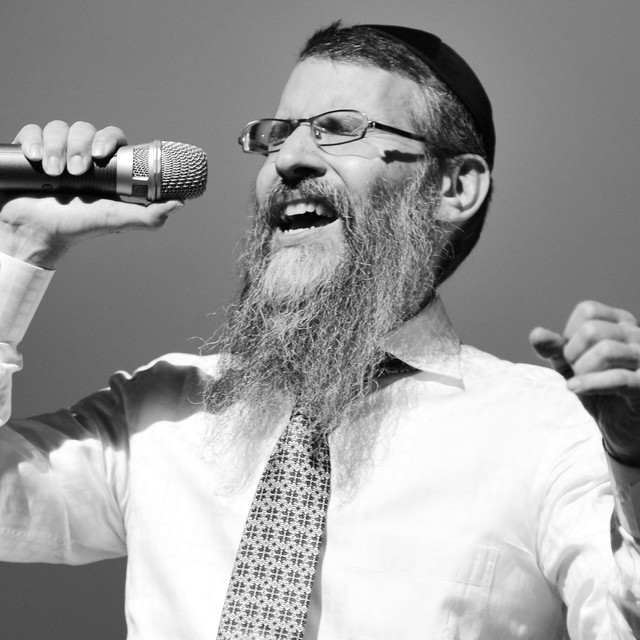


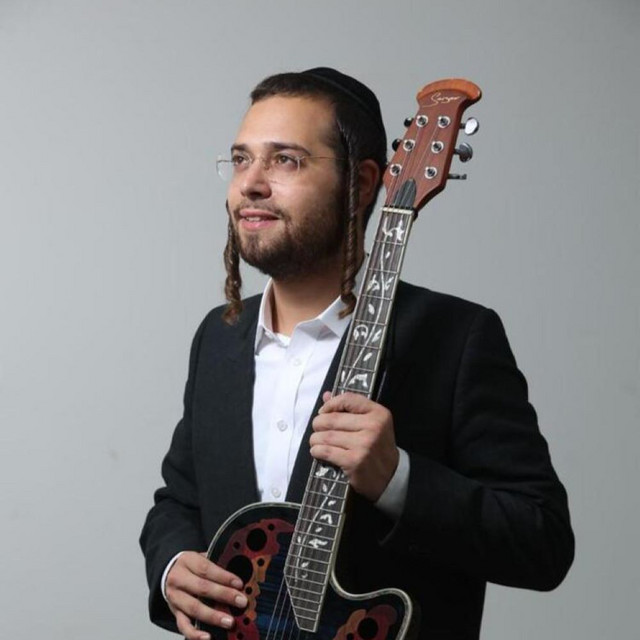
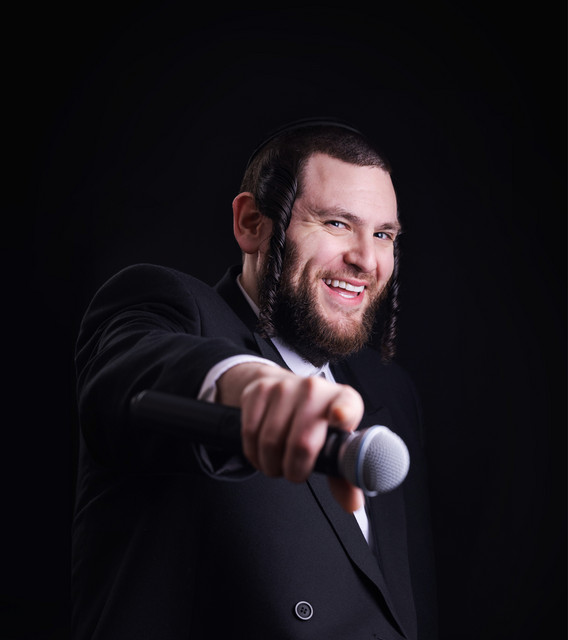
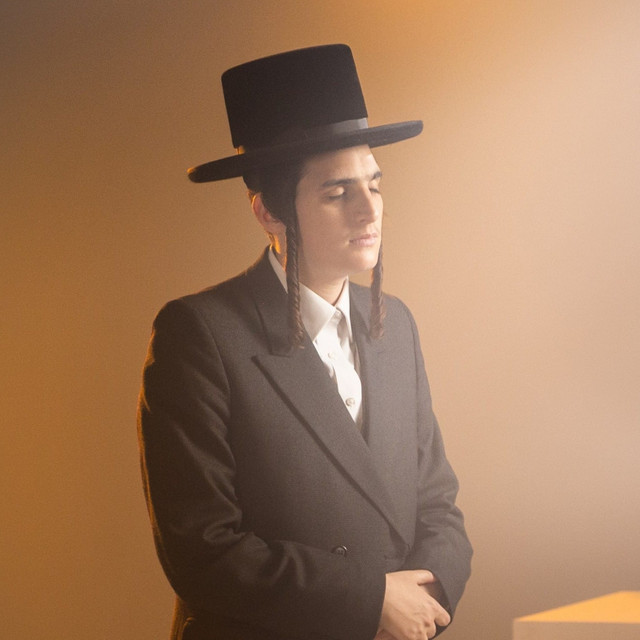
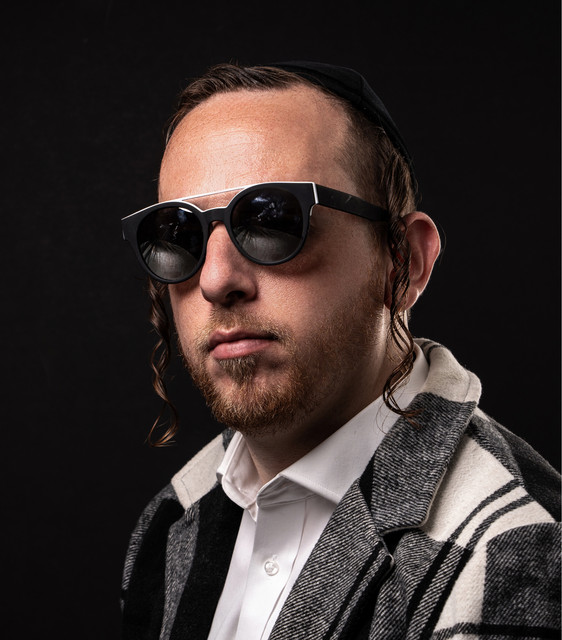
8

יואלי קליין
10,516
36,623 listeners
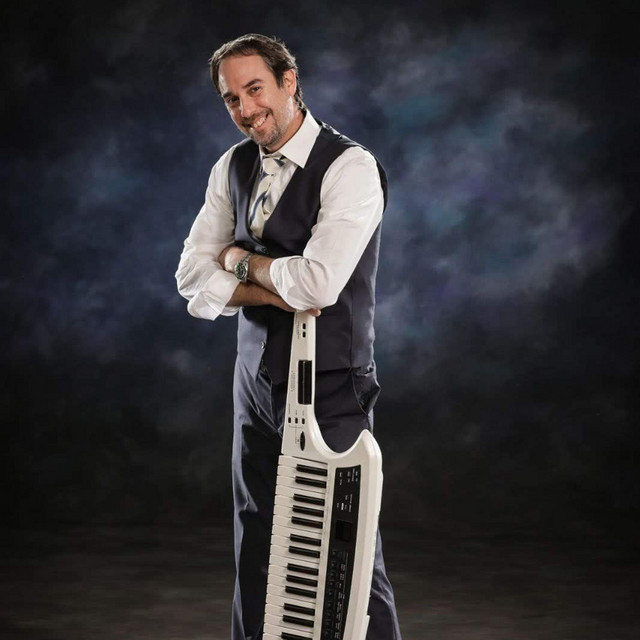

11

ישיבת רמת גן
Israel
6,972
20,912 listeners



16
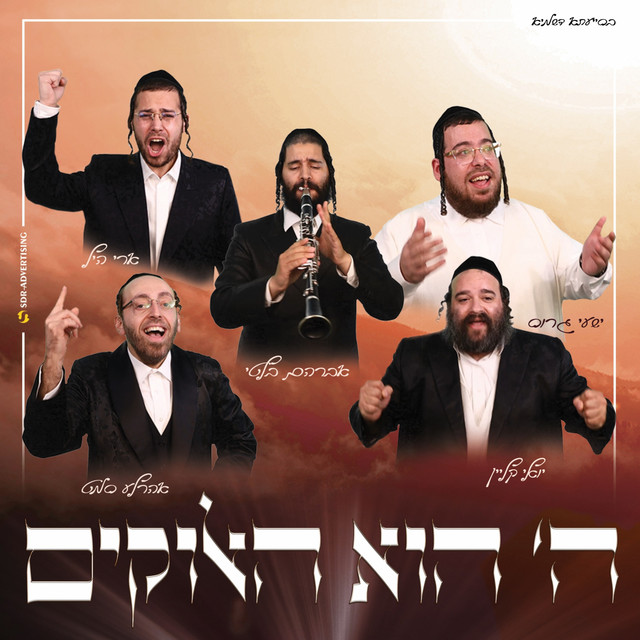
אהרלע סאמעט
6,241
6,924 listeners


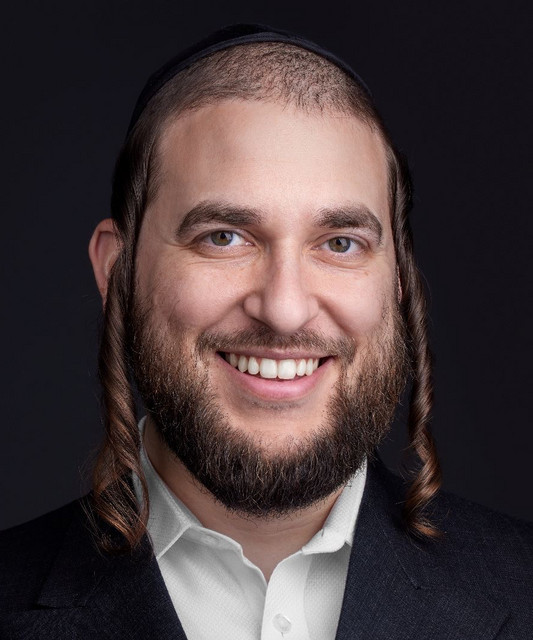
21

אברימי רוט
Israel
1,268
4,242 listeners


About Chasidic pop
Hasidic pop is a contemporary fusion genre that sits at the crossroads of devotion and dance-floor energy. It blends the devotional and melodic textures of Hasidic and Orthodox Jewish music—nusach-inspired melodies, piyyutim, and niggun-like refrains—with the songcraft, production aesthetics, and rhythms of mainstream pop, R&B, reggae, and hip-hop. The result is music that sounds both familiar to Hasidic listeners and accessible to wider audiences, often featuring English verses, Hebrew phrases, and occasional Yiddish lines, wrapped in polished, radio-ready arrangements.
Origins and birth of the sound
Hasidic pop began to crystallize in the late 1990s and early 2000s within Hasidic and Orthodox communities in New York, New Jersey, and other centers of Jewish life around the world. The scene was enabled by better access to recording gear, home studios, and online distribution, which allowed artists to experiment with pop formats while preserving religious content. The movement gained a high-visibility ambassador in Matisyahu, who fused Hasidic spirituality with reggae and hip-hop. With breakthrough releases in the mid-2000s and a dynamic live presence, he brought Hasidic-infused pop into international consciousness, touring globally and drawing attention from mainstream media while still wearing Hasidic garb for several years. His ascent helped legitimize a broader genre that was already thriving in local communities and on Jewish music circuits.
What the music sounds like
Hasidic pop typically centers tight, hook-driven melodies and contemporary production: punchy drums, grooving basslines, shimmering synths, and danceable tempos. Lyrically, it often communicates faith, spiritual longing, and community values, sometimes with overt religious references and sometimes with more universal human themes. The fusion can be laid-back and reflective or high-energy and club-ready, but it maintains a sense of melodic accessibility and sing-along appeal. The stylistic blend allows for bilingual or multilingual storytelling, which helps the music travel across borders while staying rooted in Jewish life.
Ambassadors and key figures
- Matisyahu: widely regarded as the archetype of Hasidic pop, bridging Hasidic identity with reggae-rap sensibilities and achieving global recognition in the 2000s.
- Yaakov Shwekey: a leading contemporary Jewish pop singer whose repertoire blends modern pop with traditional Jewish themes, deeply popular in Israel, the United States, and the diaspora.
- Lipa Schmeltzer: a prominent Hasidic entertainer known for high-energy, pop-infused performances and crossover appeal within Hasidic and wider Jewish audiences.
- Avraham Fried: one of the most influential voices in modern Jewish music, whose work blends melodic pop with devotional content and has helped shape the sound for many Hasidic pop artists.
- Other rising voices: a new generation of artists from Brooklyn, Israel, and Europe who blend hip-hop, dance, and electronic textures with Hasidic-inspired storytelling and modesty-conscious presentation.
Where it thrives
Hasidic pop has its strongest bases in the United States (notably New York’s Orthodox neighborhoods), Israel, Canada (Toronto and Montreal), and the broader European and Australian Jewish communities. It circulates in wedding venues, concert halls, and Hasidic youth events, while also reaching curious listeners through streaming platforms and global Jewish music festivals. The genre remains a niche but influential bridge between tradition and modernity, offering an entry point for listeners to explore Hasidic spirituality through a contemporary, relatable sonic vocabulary.
Origins and birth of the sound
Hasidic pop began to crystallize in the late 1990s and early 2000s within Hasidic and Orthodox communities in New York, New Jersey, and other centers of Jewish life around the world. The scene was enabled by better access to recording gear, home studios, and online distribution, which allowed artists to experiment with pop formats while preserving religious content. The movement gained a high-visibility ambassador in Matisyahu, who fused Hasidic spirituality with reggae and hip-hop. With breakthrough releases in the mid-2000s and a dynamic live presence, he brought Hasidic-infused pop into international consciousness, touring globally and drawing attention from mainstream media while still wearing Hasidic garb for several years. His ascent helped legitimize a broader genre that was already thriving in local communities and on Jewish music circuits.
What the music sounds like
Hasidic pop typically centers tight, hook-driven melodies and contemporary production: punchy drums, grooving basslines, shimmering synths, and danceable tempos. Lyrically, it often communicates faith, spiritual longing, and community values, sometimes with overt religious references and sometimes with more universal human themes. The fusion can be laid-back and reflective or high-energy and club-ready, but it maintains a sense of melodic accessibility and sing-along appeal. The stylistic blend allows for bilingual or multilingual storytelling, which helps the music travel across borders while staying rooted in Jewish life.
Ambassadors and key figures
- Matisyahu: widely regarded as the archetype of Hasidic pop, bridging Hasidic identity with reggae-rap sensibilities and achieving global recognition in the 2000s.
- Yaakov Shwekey: a leading contemporary Jewish pop singer whose repertoire blends modern pop with traditional Jewish themes, deeply popular in Israel, the United States, and the diaspora.
- Lipa Schmeltzer: a prominent Hasidic entertainer known for high-energy, pop-infused performances and crossover appeal within Hasidic and wider Jewish audiences.
- Avraham Fried: one of the most influential voices in modern Jewish music, whose work blends melodic pop with devotional content and has helped shape the sound for many Hasidic pop artists.
- Other rising voices: a new generation of artists from Brooklyn, Israel, and Europe who blend hip-hop, dance, and electronic textures with Hasidic-inspired storytelling and modesty-conscious presentation.
Where it thrives
Hasidic pop has its strongest bases in the United States (notably New York’s Orthodox neighborhoods), Israel, Canada (Toronto and Montreal), and the broader European and Australian Jewish communities. It circulates in wedding venues, concert halls, and Hasidic youth events, while also reaching curious listeners through streaming platforms and global Jewish music festivals. The genre remains a niche but influential bridge between tradition and modernity, offering an entry point for listeners to explore Hasidic spirituality through a contemporary, relatable sonic vocabulary.