Genre
chicago blues
Top Chicago blues Artists
Showing 3 of 3 artists
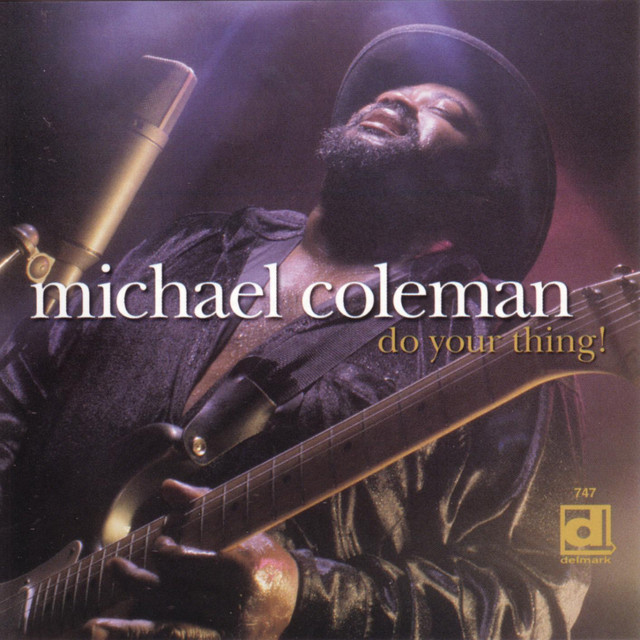
About Chicago blues
Chicago blues is the electric, urban evolution of the Delta blues, born in the smoky clubs and streets of Chicago as musicians from the Mississippi Delta migrated north seeking work and bigger audiences. By the 1940s, the sound had crystallized into a loudly amplified, riff-driven poetry that could punch through the city’s bustle. It fused traditional twelve-bar forms with a raw, virtuosic instrumental vocabulary—electric guitar and harmonica leading the charge, supported by pounding bass, swung or shuffling drums, and often piano or horn accents. The result was a fiercely expressive, more urban cousin to the acoustic rural blues, perfectly suited to Chicago’s crowded venues and its electric-intensified nightlife.
A central feature of Chicago blues is its insistence on electrified immediacy. The electric guitar, sometimes paired with a harmonica (often the same player blowing through a mic mounted on a rack), carries sharp, resonant leads and blues-rocking riffs. The piano adds rhythmic drive and sharp comping, while the rhythm section anchors the groove with a solid, often swinging pulse. Vocal delivery ranges from mournful to fervent, with a call-and-response energy that recalls the broader African American musical tradition but pushed to new, urban extremes. The genre also embraced the shift from the more rural, modal expressions of Delta blues to punchier, more arranged, and sometimes more gospel-inflected performances.
Key figures and ambassadors define Chicago blues. Muddy Waters is widely regarded as the movement’s defining ambassador; his electrified, commanding presence helped legitimize Chicago blues as a national and international force. Howlin’ Wolf, with his booming, dramatic voice and forceful stage persona, stands as another towering figure. Little Walter, one of the greatest harmonica players in blues history, helped elevate the harmonica to lead-voice status with blistering, virtuoso lines. Willie Dixon emerged as a brilliant songwriter and bassman who crafted many of the genre’s enduring anthems. Other essential stylists include Otis Rush, Magic Sam, James Cotton, Junior Wells, and Buddy Guy, each expanding the vocabulary with searing guitar work, expressive singing, and deep, blues-rooted emotion.
Chicago blues has enjoyed broad international reach. In the United States, it became a cornerstone of the blues scene and a bridge to later rock forms. In the United Kingdom and much of mainland Europe, it fed the British blues boom of the 1960s, influencing artists who would change the course of rock, from Eric Clapton to many of the era’s guitar heroes. Japan and other parts of Asia also developed dedicated followings. Today, the genre continues through festivals, respected recording catalogs, and a new generation of players who blend traditional Chicago blues with contemporary sensibilities.
If you crave a distilled essence, think of Chicago blues as the Delta blues electrified and urbanized—an intense, communicative music of longing and grit, performed with fire and precision, and carried by a lineage of masters who turned a regional sound into a global language.
A central feature of Chicago blues is its insistence on electrified immediacy. The electric guitar, sometimes paired with a harmonica (often the same player blowing through a mic mounted on a rack), carries sharp, resonant leads and blues-rocking riffs. The piano adds rhythmic drive and sharp comping, while the rhythm section anchors the groove with a solid, often swinging pulse. Vocal delivery ranges from mournful to fervent, with a call-and-response energy that recalls the broader African American musical tradition but pushed to new, urban extremes. The genre also embraced the shift from the more rural, modal expressions of Delta blues to punchier, more arranged, and sometimes more gospel-inflected performances.
Key figures and ambassadors define Chicago blues. Muddy Waters is widely regarded as the movement’s defining ambassador; his electrified, commanding presence helped legitimize Chicago blues as a national and international force. Howlin’ Wolf, with his booming, dramatic voice and forceful stage persona, stands as another towering figure. Little Walter, one of the greatest harmonica players in blues history, helped elevate the harmonica to lead-voice status with blistering, virtuoso lines. Willie Dixon emerged as a brilliant songwriter and bassman who crafted many of the genre’s enduring anthems. Other essential stylists include Otis Rush, Magic Sam, James Cotton, Junior Wells, and Buddy Guy, each expanding the vocabulary with searing guitar work, expressive singing, and deep, blues-rooted emotion.
Chicago blues has enjoyed broad international reach. In the United States, it became a cornerstone of the blues scene and a bridge to later rock forms. In the United Kingdom and much of mainland Europe, it fed the British blues boom of the 1960s, influencing artists who would change the course of rock, from Eric Clapton to many of the era’s guitar heroes. Japan and other parts of Asia also developed dedicated followings. Today, the genre continues through festivals, respected recording catalogs, and a new generation of players who blend traditional Chicago blues with contemporary sensibilities.
If you crave a distilled essence, think of Chicago blues as the Delta blues electrified and urbanized—an intense, communicative music of longing and grit, performed with fire and precision, and carried by a lineage of masters who turned a regional sound into a global language.