Genre
chicha
Top Chicha Artists
Showing 25 of 1,189 artists
















About Chicha
Chicha, often described as psychedelic cumbia or Peruvian cumbia, is a danceable and kaleidoscopic hybrid born in the late 1960s and crystallizing through the 1970s. It emerged in Peru’s urban working-class neighborhoods—especially Lima—and in the vast reaches of the Amazon basin, where musicians mixed the immediacy of tropical cumbia with the fuzz of electric guitars, the shimmer of Farfisa keyboards, and the hypnotic pulse of congas. The name “chicha” is said to echo the communal drink of the same name, signaling a music born for gatherings, street dances, and radio play that felt both intimate and explosive.
Historically, chicha sprang from a confluence of influences: Colombian cumbia’s danceable rhythms, Andean melodies, and the energy of 1960s rock and surf guitar. Peruvian producers and bands quickly added a psychedelic edge—guitar lines with tremolo and wah-wah, punchy organ stabs, and echo-drenched drums—creating a sound that was at once tropical and spacey. The result is a music that can swing from buoyant party grooves to hypnotic, almost trance-like jams, all rooted in a four-on-the-floor propulsion that keeps feet moving.
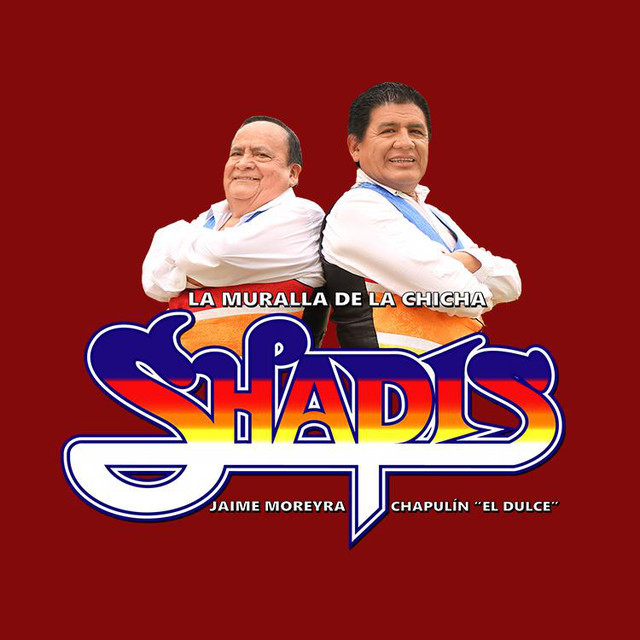
Among the genre’s most influential spearheads are groups that are widely cited as ambassadors of the “sound of chicha.” Los Destellos, based in Lima and led by Enrique Delgado, are often credited with helping fuse traditional cumbia with modern guitar textures, laying a template that many later acts would echo. From the Amazon, Juaneco y Su Combo became synonymous with the “sound of the jungle,” demonstrating how regional identity could translate into a nationally irresistible dance phenomenon. Los Wembler’s de Iquitos brought a raw, swaying Amazonian swagger to the scene and helped articulate the variation of chicha that many listeners associate with the rainforest. Arequipa’s Los Shapis offered infectious hooks and stage energy that broadened the genre’s appeal, while Los Mirlos—another long-running Amazonian powerhouse—carried the genre’s dreamlike, hypnotic side with their signature guitar tones and lush textures. Together these acts helped define a movement that could be intimate enough for close quarters yet expansive enough to fill stadiums.
Chicha is as much a cultural phenomenon as a sound. It traveled beyond Peru’s borders to neighboring Andean countries—Bolivia, Ecuador, and parts of Colombia—and grew within diaspora communities in the United States, Spain, and Japan, where collectors and DJs began reissuing and reinterpreting vintage records. In recent decades, a revived international interest has brought chicha back into clubs and festival lineups worldwide. Bands such as Chicha Libre from New York and various European labels have highlighted the genre’s groove-driven complexity, its psychedelic textures, and its enduring appeal to curious listeners who love music that is irresistibly danceable yet rich with history.
Today, chicha remains a living archive: a snapshot of social life, urban energy, and cross-cultural experimentation. Its appeal endures because it is unusually expressive in both mood and tempo—a celebration of joyful motion as much as a doorway into Peru’s sonic imagination. For music enthusiasts, chicha offers a vivid case study in how a local scene can fuse global currents into a new, lasting prescription for rhythm and reverie.
Historically, chicha sprang from a confluence of influences: Colombian cumbia’s danceable rhythms, Andean melodies, and the energy of 1960s rock and surf guitar. Peruvian producers and bands quickly added a psychedelic edge—guitar lines with tremolo and wah-wah, punchy organ stabs, and echo-drenched drums—creating a sound that was at once tropical and spacey. The result is a music that can swing from buoyant party grooves to hypnotic, almost trance-like jams, all rooted in a four-on-the-floor propulsion that keeps feet moving.
Among the genre’s most influential spearheads are groups that are widely cited as ambassadors of the “sound of chicha.” Los Destellos, based in Lima and led by Enrique Delgado, are often credited with helping fuse traditional cumbia with modern guitar textures, laying a template that many later acts would echo. From the Amazon, Juaneco y Su Combo became synonymous with the “sound of the jungle,” demonstrating how regional identity could translate into a nationally irresistible dance phenomenon. Los Wembler’s de Iquitos brought a raw, swaying Amazonian swagger to the scene and helped articulate the variation of chicha that many listeners associate with the rainforest. Arequipa’s Los Shapis offered infectious hooks and stage energy that broadened the genre’s appeal, while Los Mirlos—another long-running Amazonian powerhouse—carried the genre’s dreamlike, hypnotic side with their signature guitar tones and lush textures. Together these acts helped define a movement that could be intimate enough for close quarters yet expansive enough to fill stadiums.
Chicha is as much a cultural phenomenon as a sound. It traveled beyond Peru’s borders to neighboring Andean countries—Bolivia, Ecuador, and parts of Colombia—and grew within diaspora communities in the United States, Spain, and Japan, where collectors and DJs began reissuing and reinterpreting vintage records. In recent decades, a revived international interest has brought chicha back into clubs and festival lineups worldwide. Bands such as Chicha Libre from New York and various European labels have highlighted the genre’s groove-driven complexity, its psychedelic textures, and its enduring appeal to curious listeners who love music that is irresistibly danceable yet rich with history.
Today, chicha remains a living archive: a snapshot of social life, urban energy, and cross-cultural experimentation. Its appeal endures because it is unusually expressive in both mood and tempo—a celebration of joyful motion as much as a doorway into Peru’s sonic imagination. For music enthusiasts, chicha offers a vivid case study in how a local scene can fuse global currents into a new, lasting prescription for rhythm and reverie.