Genre
children's music
Top Children's music Artists
Showing 25 of 4,398 artists















About Children's music
Children’s music is a broad, purpose-built realm of songs for young listeners, typically spanning infancy through early elementary years. It blends simple melodies, repetitive structures, and warm, interactive lyrics to engage curious minds, soothe fussy moments, and accompany daily routines such as bath time, bedtime, and learning activities. Beyond entertainment, it often doubles as a gentle educational tool, introducing language, numbers, social skills, and emotional literacy in accessible, memorable ways.
Origins and evolution
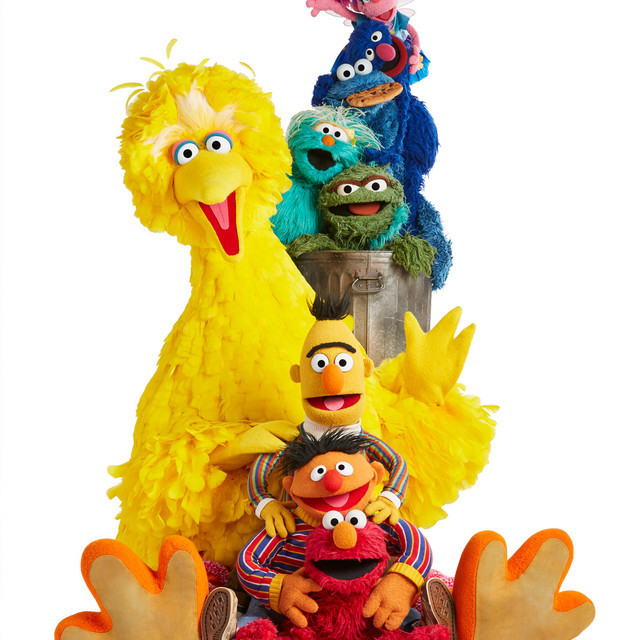
The genre sits atop a deep cultural history of lullabies and nursery rhymes found in virtually every culture. Modern “children’s music” as a distinct category began to take shape in the 20th century, riding the momentum of mass media and early recording technology. Traditional songs were adapted for records and radio, and later for television and video. The launch of Sesame Street in 1969 was a watershed moment: music was embedded into curriculum, making songs a vehicle for literacy, math, diversity, and cooperation. From there, a stream of artists emerged who crafted catalogues specifically for kids while still appealing to adult listeners, helping the genre cross from living rooms into classrooms and playgrounds.
Ambassadors and key artists
- Raffi (Canada) is often regarded as one of the genre’s defining voices. His songs such as Baby Beluga and Bananaphone became global staples, blending gentle folk warmth with clear, singable lines.
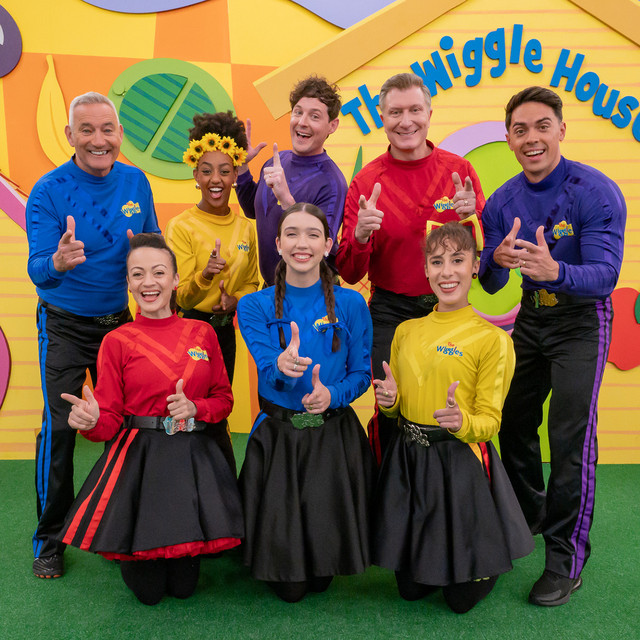
- The Wiggles (Australia) brought theatrical, high-energy, family-friendly performances to a worldwide audience starting in the early 1990s, influencing countless preschool concerts with toy-friendly, danceable tunes like Hot Potato and Fruit Salad.
- Laurie Berkner (United States) helped popularize contemporary kids’ music in the post-1990s era, leveraging child-centric storytelling and catchy hooks on albums such as Whaddaya Think of That? and Victor Vito.
- They Might Be Giants (United States) expanded the palette with artistically crafted, clever children’s albums, including Here Comes the ABCs and No!, blending indie-rock sensibilities with educational content.
- Dan Zanes and Friends (United States) created a roots-and-folk-inspired approach to children’s music, inviting collaborations with guest artists and emphasizing inclusive, communal listening.
- KIDZ BOP (United States) popularized the modern trend of adults singing kid-friendly versions of contemporary pop hits, a model that broadened access and appeal for newer audiences.
Global reach and cultural footprint
Children’s music is especially strong in the United States, Canada, the United Kingdom, and Australia, where large catalogs, schools, and family media ecosystems sustain vibrant scenes. But the genre is truly global: it thrives in European markets with localized artists, in Latin America with culturally resonant repertoires, and in Asia where television and streaming platforms help kids connect with music designed for their developmental stage. The digital era—YouTube, Spotify, streaming kids’ channels—has democratized access, allowing a Raffi or a Wiggle to find listeners far beyond their home country, while local artists adapt the form to reflect regional languages and tastes.
Musical traits and audience experience
Expect bright harmony, clear enunciation, and a storytelling bend. Choruses are often easy to memorize, encouraging audience participation through claps, call-and-response, and movement. Lyrics tend toward gentle guidance, wonder, and humor, frequently signaling routines, moral themes, or curiosity about the natural world. While designed for children, well-made children’s music resonates with parents and educators, creating shared moments that anchor early learning and family bonding.
Origins and evolution
The genre sits atop a deep cultural history of lullabies and nursery rhymes found in virtually every culture. Modern “children’s music” as a distinct category began to take shape in the 20th century, riding the momentum of mass media and early recording technology. Traditional songs were adapted for records and radio, and later for television and video. The launch of Sesame Street in 1969 was a watershed moment: music was embedded into curriculum, making songs a vehicle for literacy, math, diversity, and cooperation. From there, a stream of artists emerged who crafted catalogues specifically for kids while still appealing to adult listeners, helping the genre cross from living rooms into classrooms and playgrounds.
Ambassadors and key artists
- Raffi (Canada) is often regarded as one of the genre’s defining voices. His songs such as Baby Beluga and Bananaphone became global staples, blending gentle folk warmth with clear, singable lines.
- The Wiggles (Australia) brought theatrical, high-energy, family-friendly performances to a worldwide audience starting in the early 1990s, influencing countless preschool concerts with toy-friendly, danceable tunes like Hot Potato and Fruit Salad.
- Laurie Berkner (United States) helped popularize contemporary kids’ music in the post-1990s era, leveraging child-centric storytelling and catchy hooks on albums such as Whaddaya Think of That? and Victor Vito.
- They Might Be Giants (United States) expanded the palette with artistically crafted, clever children’s albums, including Here Comes the ABCs and No!, blending indie-rock sensibilities with educational content.
- Dan Zanes and Friends (United States) created a roots-and-folk-inspired approach to children’s music, inviting collaborations with guest artists and emphasizing inclusive, communal listening.
- KIDZ BOP (United States) popularized the modern trend of adults singing kid-friendly versions of contemporary pop hits, a model that broadened access and appeal for newer audiences.
Global reach and cultural footprint
Children’s music is especially strong in the United States, Canada, the United Kingdom, and Australia, where large catalogs, schools, and family media ecosystems sustain vibrant scenes. But the genre is truly global: it thrives in European markets with localized artists, in Latin America with culturally resonant repertoires, and in Asia where television and streaming platforms help kids connect with music designed for their developmental stage. The digital era—YouTube, Spotify, streaming kids’ channels—has democratized access, allowing a Raffi or a Wiggle to find listeners far beyond their home country, while local artists adapt the form to reflect regional languages and tastes.
Musical traits and audience experience
Expect bright harmony, clear enunciation, and a storytelling bend. Choruses are often easy to memorize, encouraging audience participation through claps, call-and-response, and movement. Lyrics tend toward gentle guidance, wonder, and humor, frequently signaling routines, moral themes, or curiosity about the natural world. While designed for children, well-made children’s music resonates with parents and educators, creating shared moments that anchor early learning and family bonding.