Genre
children's story
Top Children's story Artists
Showing 25 of 43 artists
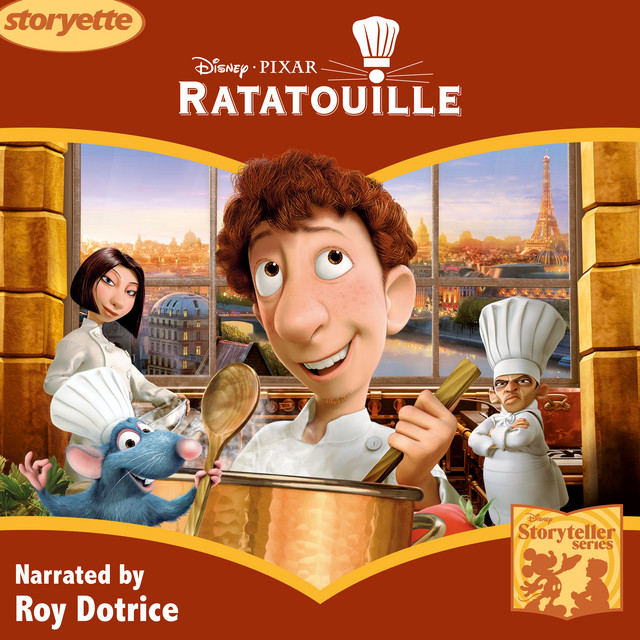
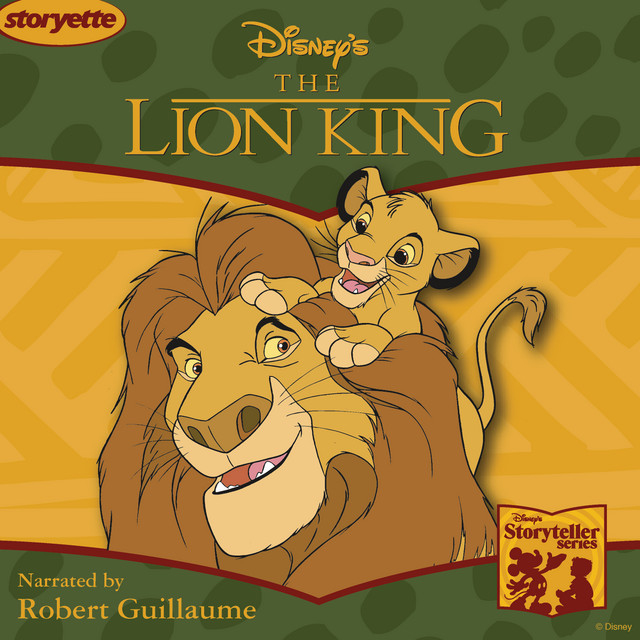

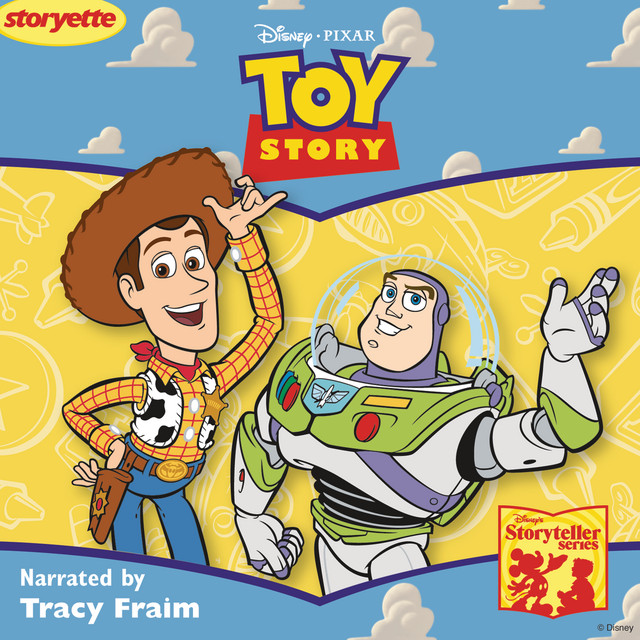

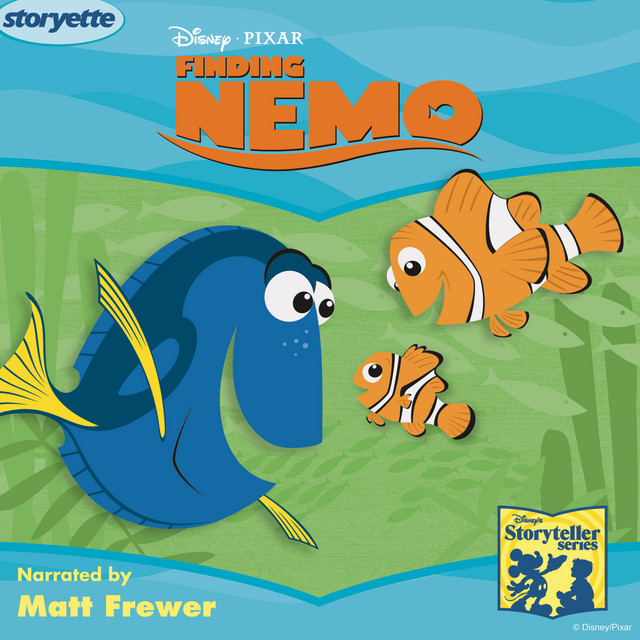




23

1,154
4,113 listeners


About Children's story
A “children’s story” music description is a cross-genre concept that centers on telling and enhancing narratives through song. It’s not a fixed historical label so much as a fluid practice that blends folk, pop, classical textures, and spoken storytelling to accompany or advance a story for young listeners. The result is music that treats prose as a living script—where melodies, rhythms, and voices carry characters, settings, and plot turns just as much as words on a page.
How and when it was born is best understood as a long evolution. Long before commercial recordings, cultures used songs to pass down fairy tales, fables, and bedtime tales. In the modern era, that oral tradition merged with children’s literature and educational media in the 20th century. The mid-to-late 20th century saw deliberate pushes to create albums, stage shows, and broadcasts that treated stories as musical experiences. From lullabies and nursery rhymes to concept albums that narrate a journey or adventure, the form matured as artists learned to balance narrative clarity with musical character and atmosphere. By the 1990s and 2000s, dedicated artists and brands began shaping a recognizable ecosystem around “story songs” for kids—albums and performances where songs function as chapters, refrains act as chorus voices for characters, and the listener is invited to experience a plot through sound.
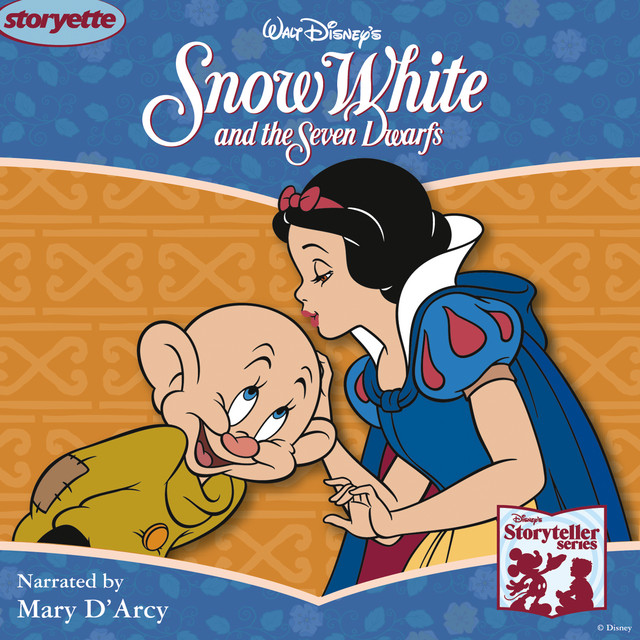
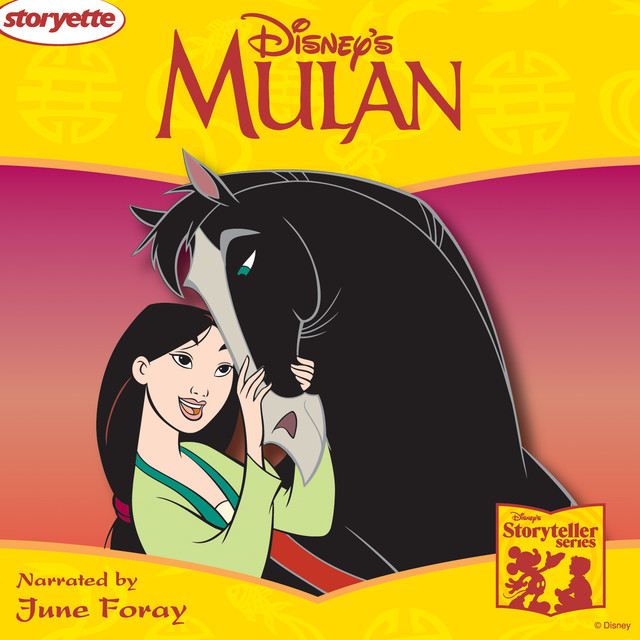
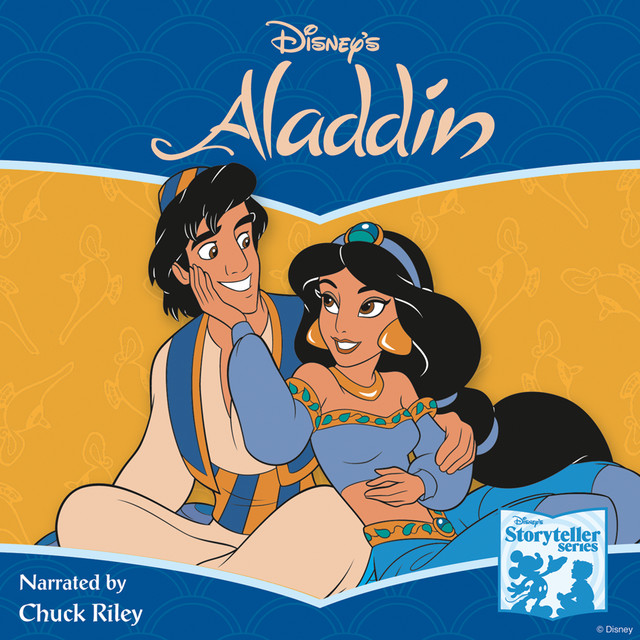
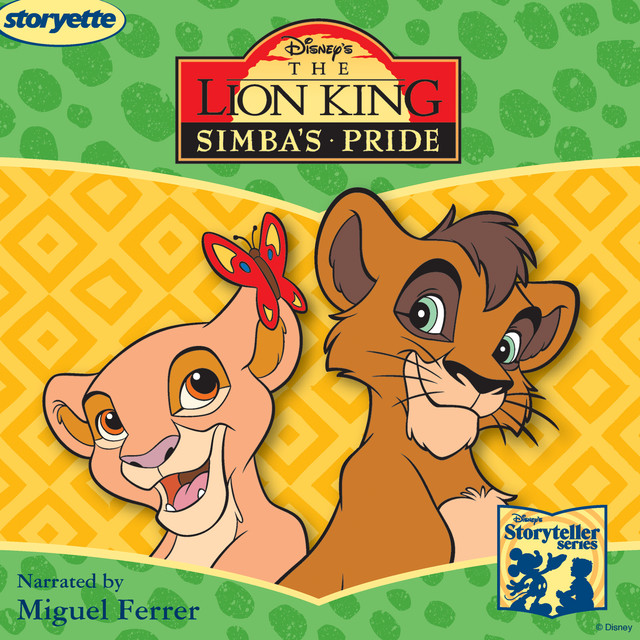
Key artists and ambassadors of the genre include figures who bridged storytelling and music for broad audiences. Raffi, the Canadian singer-songwriter and one of the best-known voices in children’s music, helped normalize intimate, storytelling-friendly performances that feel both playful and wise. Laurie Berkner brought a pop-singer sensibility to kids’ storytelling through catchy, character-driven songs. They Might Be Giants expanded the palette with Here Comes the ABCs and Here Comes Science, albums that treat learning and narrative as musical adventures. The Wiggles, from Australia, popularized live storytelling through colorful, character-led performances. Other notable contributors include Elizabeth Mitchell, Joanie Madden, and a wide range of artists who write music that feels like chapters from a book. In media, Sesame Street’s song catalog and Disney’s animated film music have also acted as ambassadors, teaching and transporting audiences through story-driven tunes that feel cinematic and intimate at once.
Geographically, the genre finds its strongest roots in North America and the United Kingdom, with a robust following in Australia and parts of Europe. Scandinavia’s melodic clarity and Japan’s storytelling traditions have also fed the style, creating vibrant localized scenes. In today’s digital era, streaming platforms widen access to story songs across continents, allowing listeners to explore narrative-driven music tied to beloved books, characters, and TV adaptations. For music enthusiasts, the appeal lies in the craftsmanship: how arrangements support a character’s voice, how motifs recur to signal plot points, and how production choices—voice timbre, orchestration, tempo changes—mirror the emotional arc of a story. It’s a genre where listening becomes an intimate act of reading, imagining, and discovering together.
How and when it was born is best understood as a long evolution. Long before commercial recordings, cultures used songs to pass down fairy tales, fables, and bedtime tales. In the modern era, that oral tradition merged with children’s literature and educational media in the 20th century. The mid-to-late 20th century saw deliberate pushes to create albums, stage shows, and broadcasts that treated stories as musical experiences. From lullabies and nursery rhymes to concept albums that narrate a journey or adventure, the form matured as artists learned to balance narrative clarity with musical character and atmosphere. By the 1990s and 2000s, dedicated artists and brands began shaping a recognizable ecosystem around “story songs” for kids—albums and performances where songs function as chapters, refrains act as chorus voices for characters, and the listener is invited to experience a plot through sound.
Key artists and ambassadors of the genre include figures who bridged storytelling and music for broad audiences. Raffi, the Canadian singer-songwriter and one of the best-known voices in children’s music, helped normalize intimate, storytelling-friendly performances that feel both playful and wise. Laurie Berkner brought a pop-singer sensibility to kids’ storytelling through catchy, character-driven songs. They Might Be Giants expanded the palette with Here Comes the ABCs and Here Comes Science, albums that treat learning and narrative as musical adventures. The Wiggles, from Australia, popularized live storytelling through colorful, character-led performances. Other notable contributors include Elizabeth Mitchell, Joanie Madden, and a wide range of artists who write music that feels like chapters from a book. In media, Sesame Street’s song catalog and Disney’s animated film music have also acted as ambassadors, teaching and transporting audiences through story-driven tunes that feel cinematic and intimate at once.
Geographically, the genre finds its strongest roots in North America and the United Kingdom, with a robust following in Australia and parts of Europe. Scandinavia’s melodic clarity and Japan’s storytelling traditions have also fed the style, creating vibrant localized scenes. In today’s digital era, streaming platforms widen access to story songs across continents, allowing listeners to explore narrative-driven music tied to beloved books, characters, and TV adaptations. For music enthusiasts, the appeal lies in the craftsmanship: how arrangements support a character’s voice, how motifs recur to signal plot points, and how production choices—voice timbre, orchestration, tempo changes—mirror the emotional arc of a story. It’s a genre where listening becomes an intimate act of reading, imagining, and discovering together.