Genre
chilean trap
Top Chilean trap Artists
Showing 25 of 947 artists

















About Chilean trap
Chilean trap is a distinct strand of Latin trap that crystallized in Chilean urban scenes during the mid-to-late 2010s, propelled by streaming platforms and social media. It grew out of the global trap movement—born in the United States and Puerto Rico—and quickly absorbed Chilean slang, street storytelling, and local production sensibilities, yielding a sound defined by grit, melodic hooks, and a relentless rhythm. In Chile, the scene coalesced in the capital and port cities, where young MCs and producers began sharing tracks online, trading mixtapes, and collaborating across neighborhoods. In venues and underground parties, producers and MCs traded remixes and freestyles, feeding the genre's growth.
Musically, Chilean trap leans on heavy 808 bass, crisp drum patterns, and moody synthesizers. It favors tight, sometimes minimalist arrangements that leave space for a memorable hook or a spoken-word line. The tempo typically sits in the trap range, with occasional accelerations borrowed from reggaeton and dembow. Producers experiment with textures— from neon-lit trap chimes to darker, piano-driven melodies—and many tracks incorporate elements of cumbia digital and Latin urban flavors, giving the sound a Chilean twist that listeners instantly recognize. The scene also thrives on cross-city collaborations and links with neighboring Latin artists, expanding the palette toward more melodic, radio-friendly horizons.
Lyrically, the voice often rides between street realism and aspirational storytelling: loyalty, hustle, romance, and the pressures of young life in a fast-changing urban landscape. The themes can be gritty and direct, but there is also a reflective undertone as artists balance bravado with vulnerability. The Chilean voice frequently carries local slang, slang-specific cadences, and references to local places. As in many urban scenes, it also gives younger listeners a space to see their experiences reflected in art, tying personal identity to a national sound.
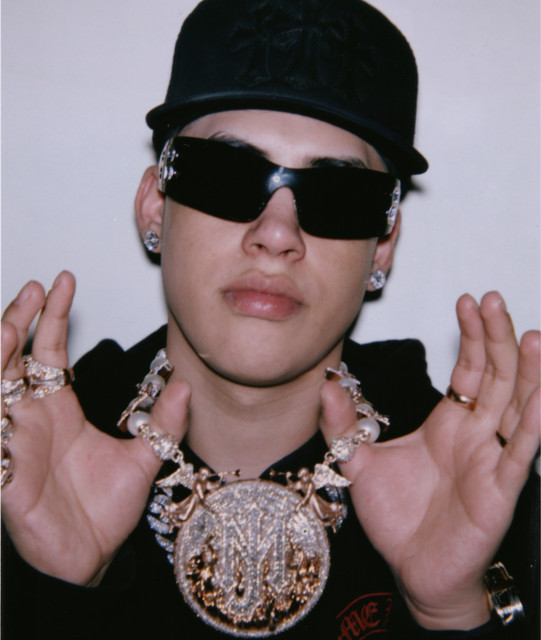
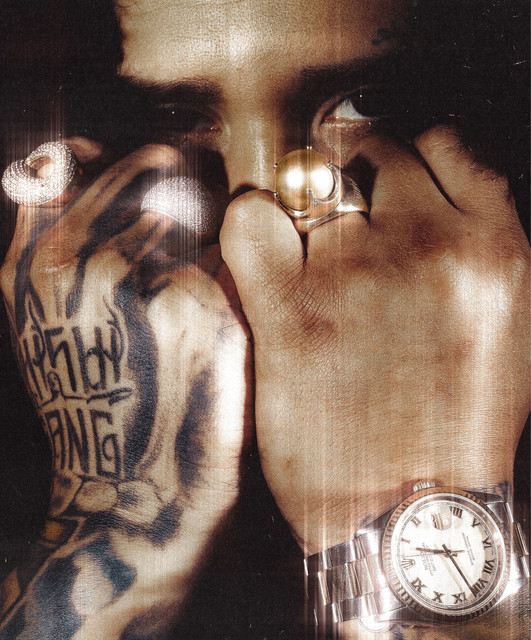
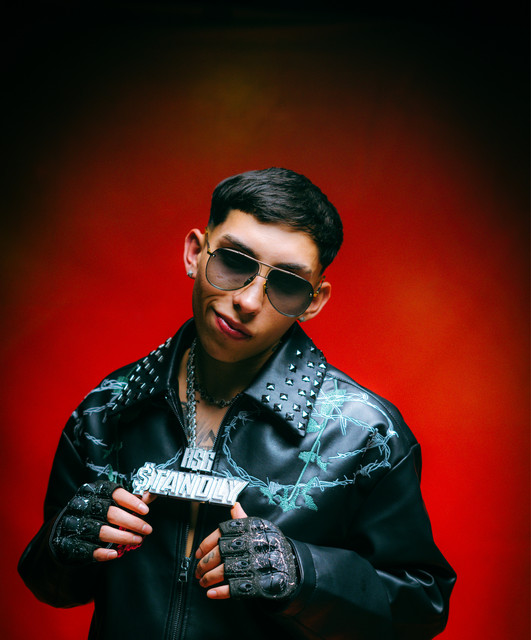
Among the figures most associated with popularizing Chilean trap are Marcianeke, Pailita, DrefQuila, and Polimá Westcoast. These artists brought the sound to Chilean radio, Spotify and YouTube playlists, and helped seed a broader movement that includes a growing roster of collaborators and producers across Santiago, Valparaíso, and beyond. Their tracks often pair blunt street narratives with catchy choruses, helping the genre cross into mainstream urban pop while preserving an underground edge. The movement has also benefited from Chile's vibrant independent imprint culture, garage studios, and the global reach of streaming to build an international fanbase. The community includes DJs, beatmakers, and lyricists from diverse backgrounds, with women and non-binary producers increasingly contributing to production and direction.
Worldwide, Chilean trap remains strongest at home, where it forms part of daily life for a generation steeped in digital culture. It has also found audiences in neighboring Latin American countries such as Argentina and Peru, as well as in Spain, the United States, and parts of Mexico, where listeners connect with the shared mood and the universal language of melody and rhythm. Festivals, clubs, and mixtape-driven tours have helped the sound travel, even as artists continue to experiment with cross-genre fusions—drill, reggaeton, and dancehall—ensuring Chilean trap keeps mutating. In short, Chilean trap is a contemporary urban voice: locally rooted, globally resonant, and forever evolving.
Musically, Chilean trap leans on heavy 808 bass, crisp drum patterns, and moody synthesizers. It favors tight, sometimes minimalist arrangements that leave space for a memorable hook or a spoken-word line. The tempo typically sits in the trap range, with occasional accelerations borrowed from reggaeton and dembow. Producers experiment with textures— from neon-lit trap chimes to darker, piano-driven melodies—and many tracks incorporate elements of cumbia digital and Latin urban flavors, giving the sound a Chilean twist that listeners instantly recognize. The scene also thrives on cross-city collaborations and links with neighboring Latin artists, expanding the palette toward more melodic, radio-friendly horizons.
Lyrically, the voice often rides between street realism and aspirational storytelling: loyalty, hustle, romance, and the pressures of young life in a fast-changing urban landscape. The themes can be gritty and direct, but there is also a reflective undertone as artists balance bravado with vulnerability. The Chilean voice frequently carries local slang, slang-specific cadences, and references to local places. As in many urban scenes, it also gives younger listeners a space to see their experiences reflected in art, tying personal identity to a national sound.
Among the figures most associated with popularizing Chilean trap are Marcianeke, Pailita, DrefQuila, and Polimá Westcoast. These artists brought the sound to Chilean radio, Spotify and YouTube playlists, and helped seed a broader movement that includes a growing roster of collaborators and producers across Santiago, Valparaíso, and beyond. Their tracks often pair blunt street narratives with catchy choruses, helping the genre cross into mainstream urban pop while preserving an underground edge. The movement has also benefited from Chile's vibrant independent imprint culture, garage studios, and the global reach of streaming to build an international fanbase. The community includes DJs, beatmakers, and lyricists from diverse backgrounds, with women and non-binary producers increasingly contributing to production and direction.
Worldwide, Chilean trap remains strongest at home, where it forms part of daily life for a generation steeped in digital culture. It has also found audiences in neighboring Latin American countries such as Argentina and Peru, as well as in Spain, the United States, and parts of Mexico, where listeners connect with the shared mood and the universal language of melody and rhythm. Festivals, clubs, and mixtape-driven tours have helped the sound travel, even as artists continue to experiment with cross-genre fusions—drill, reggaeton, and dancehall—ensuring Chilean trap keeps mutating. In short, Chilean trap is a contemporary urban voice: locally rooted, globally resonant, and forever evolving.