Genre
chill phonk
Top Chill phonk Artists
Showing 9 of 9 artists

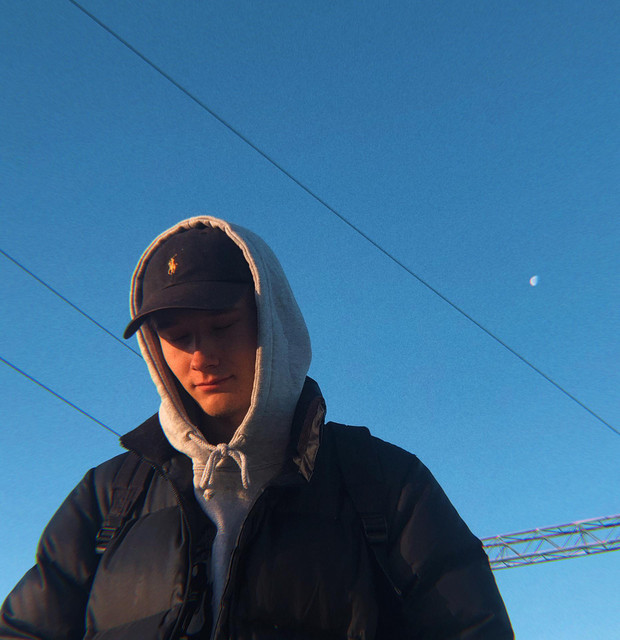



About Chill phonk
Chill phonk is a mellow, mood-driven offshoot of the broader phonk genre that blends Memphis rap’s dusty sample aesthetic with lo-fi textures, ambient textures, and melodic clarity. It preserves the core roots of phonk—crafting tracks from vintage funk, soul, and early hip-hop samples, then processing them with tape hiss, muffled drums, and aging cassette warmth—but it shifts the emphasis toward introspective, cinematic moods. The result is music that can feel like late-night rain on vinyl: smoky, reflective, and somehow both nostalgic and forward-looking.
The birth of phonk traces back to the 1990s Memphis scene, where artists associated with Three 6 Mafia and the broader Southern rap ecosystem experimented with raw, lo-fi production, eerie samples, and distorted vocal chops. Phonk as a movement gained traction online in the 2010s, long after its Memphis origins, as producers and rappers on SoundCloud and YouTube reshaped the sound into something more accessible and diffuse. Chill phonk emerged as a distinct flavor within that revival: tempo often sits in a relaxed range (roughly 90–110 BPM), melodies lean toward piano leads, synth pads, or sax lines, and the atmosphere favors introspection over aggression. It is less about horror-haze and more about mood, mood rings, and late-night contemplation.
Key production traits of chill phonk include quiet high-frequency hiss, vinyl crackle, and subtle lo-fi degradation that give the music a tactile, almost tangible presence. The drums stay understated, often with crisp yet softened snares and heavy 808 bass that rumbles beneath dreamy chords. Vocals—if present—are frequently sampled or faint, as if heard from a distant room, letting the melodic motifs take center stage. The result is music that feels cinematic: looped motifs repeat with patient restraint, inviting a listener to drift, reflect, or drive through a neon-lit city in slow motion.
Among the ambassadors and influential figures, DJ Smokey stands out as a foundational voice for phonk’s Memphis lineage and its later chill variants. French producer Soudiere has become one of the subgenre’s most visible champions on the international stage, helping codify a sound that marries Memphis-derived chops with European production sensibilities. Mythic, an American producer, is widely admired for soulful, piano-driven textures and melancholic atmospheres that epitomize chill phonk’s emotional depth. Beyond these pillars, many other producers—curated and popularized by YouTube channels, Spotify playlists, and community-driven labels—contribute to the genre’s evolving texture, often blurring lines with lo-fi hip-hop, ambient, and trance-tinged beats.
Chill phonk enjoys notable followings beyond the United States, with vibrant scenes in France, Russia, and parts of Eastern Europe, as well as pockets in Germany, Poland, and Japan. Its online-centric distribution—SoundCloud, YouTube, and streaming platforms—has helped it travel fast, turning isolated bedroom studios into global meeting points for listeners who crave nostalgia fused with modern production technique.
For enthusiasts, chill phonk offers a sonic escape: a bridge between retro soul and contemporary sound design, where each track feels like a late-night postcard from a sunken city. It invites meditation as much as movement, making it a compelling soundtrack for study, driving, or quiet reflection.
The birth of phonk traces back to the 1990s Memphis scene, where artists associated with Three 6 Mafia and the broader Southern rap ecosystem experimented with raw, lo-fi production, eerie samples, and distorted vocal chops. Phonk as a movement gained traction online in the 2010s, long after its Memphis origins, as producers and rappers on SoundCloud and YouTube reshaped the sound into something more accessible and diffuse. Chill phonk emerged as a distinct flavor within that revival: tempo often sits in a relaxed range (roughly 90–110 BPM), melodies lean toward piano leads, synth pads, or sax lines, and the atmosphere favors introspection over aggression. It is less about horror-haze and more about mood, mood rings, and late-night contemplation.
Key production traits of chill phonk include quiet high-frequency hiss, vinyl crackle, and subtle lo-fi degradation that give the music a tactile, almost tangible presence. The drums stay understated, often with crisp yet softened snares and heavy 808 bass that rumbles beneath dreamy chords. Vocals—if present—are frequently sampled or faint, as if heard from a distant room, letting the melodic motifs take center stage. The result is music that feels cinematic: looped motifs repeat with patient restraint, inviting a listener to drift, reflect, or drive through a neon-lit city in slow motion.
Among the ambassadors and influential figures, DJ Smokey stands out as a foundational voice for phonk’s Memphis lineage and its later chill variants. French producer Soudiere has become one of the subgenre’s most visible champions on the international stage, helping codify a sound that marries Memphis-derived chops with European production sensibilities. Mythic, an American producer, is widely admired for soulful, piano-driven textures and melancholic atmospheres that epitomize chill phonk’s emotional depth. Beyond these pillars, many other producers—curated and popularized by YouTube channels, Spotify playlists, and community-driven labels—contribute to the genre’s evolving texture, often blurring lines with lo-fi hip-hop, ambient, and trance-tinged beats.
Chill phonk enjoys notable followings beyond the United States, with vibrant scenes in France, Russia, and parts of Eastern Europe, as well as pockets in Germany, Poland, and Japan. Its online-centric distribution—SoundCloud, YouTube, and streaming platforms—has helped it travel fast, turning isolated bedroom studios into global meeting points for listeners who crave nostalgia fused with modern production technique.
For enthusiasts, chill phonk offers a sonic escape: a bridge between retro soul and contemporary sound design, where each track feels like a late-night postcard from a sunken city. It invites meditation as much as movement, making it a compelling soundtrack for study, driving, or quiet reflection.