Genre
chinese audiophile
Top Chinese audiophile Artists
Showing 22 of 22 artists
1
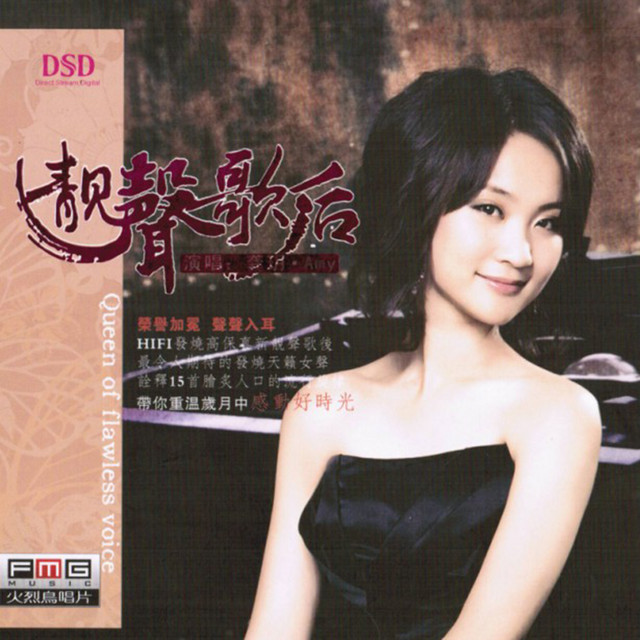
龔玥
5,923
4,127 listeners
2
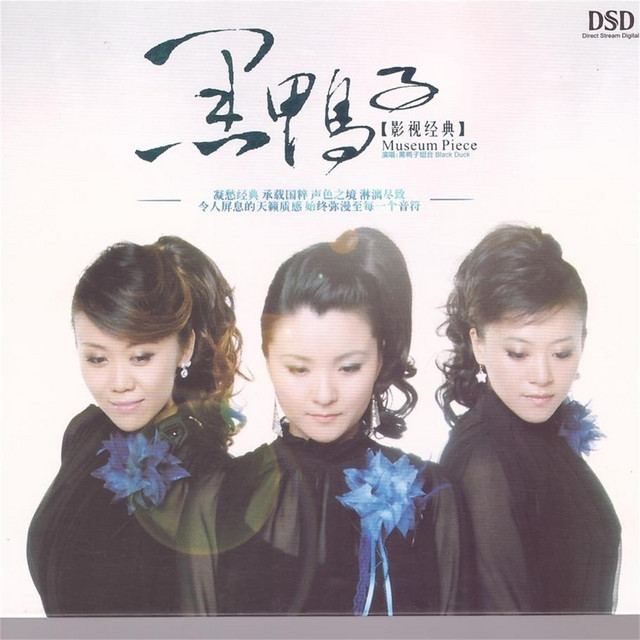
黑鸭子组合
3,898
4,050 listeners
3
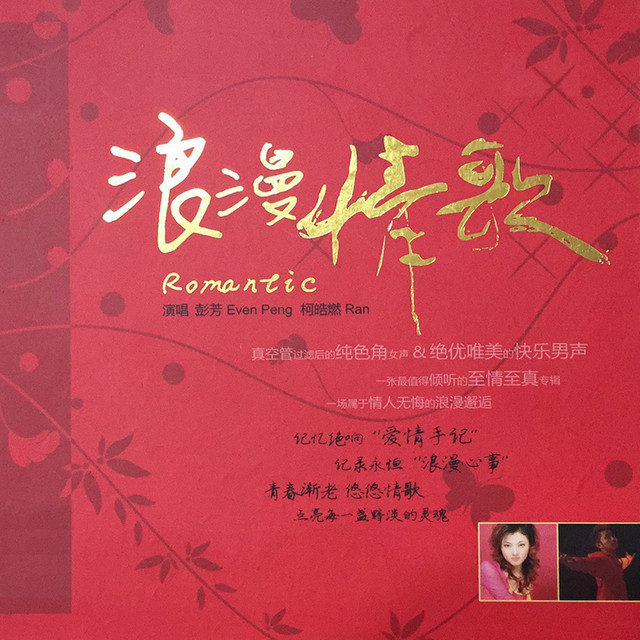
彭芳
2,665
1,785 listeners

5

李函曦
184
127 listeners
6

李尤
1,158
8 listeners
8
馮喬
-
- listeners
9
譚豔
448
- listeners

14
蓝澜
75
- listeners
15
康然
149
- listeners
16
文寧靜
266
- listeners
17
湯茜
141
- listeners
18
李羿慧
203
- listeners
19
周美麗
252
- listeners
21
梁琳
560
- listeners
22
楊泉
109
- listeners
About Chinese audiophile
Chinese audiophile is best understood not as a musical style, but as a dedicated listening culture that centers on high‑fidelity gear, precise sound, and a shared language of sonic evaluation. It emerged as China’s digital revolution blossomed in the late 1990s and early 2000s, when online communities began exchanging detailed impressions of headphones, DACs, amps, and cables. As streaming and high‑resolution audio became more accessible, a distinctly Chinese branch of the global audiophile movement took shape: a community hungry for transparency, tonal fidelity, and system synergy.
What defines the genre (in cultural terms) is a philosophy of listening. Enthusiasts obsess over imaging, soundstage, micro‑dynamics, and timbre accuracy, while still debating the merits of burn‑in, cable effects, and the ideal “reference” setups. The typical pursuit is not to chase a single sound so much as to assemble a personal, coherent chain—from source to headphones or loudspeakers—that yields a natural, low‑distortion window into the recording. In practice, the Chinese audiophile scene embraces a wide repertoire: classical and jazz for technical clarity, ambient and contemporary instrumental music for texture, and even traditional Chinese instruments presented with lifelike decay and authentic timbre.
Key actors in the ecosystem are often brands and designers that originated in or gained extraordinary traction within China. Domestic firms such as FiiO and HiFiMAN have become shorthand for the genre’s hardware frontier: portable DAC/amps, desktop amplifiers, and headphones designed to reveal subtle details in a recording. The gear‑driven nature of the scene means a typical Chinese audiophile lineup might feature a high‑quality DAC, a balanced amplifier, and a pair of headphones or a trusted loudspeaker system, all chosen with meticulous care for how they interact. Beyond hardware, the scene rides on communities and events—online forums, review blogs, and regional meetups in major cities—that share blind tests, measurement data, and listening notes.
Geographically, the strongest concentration of activity sits in mainland China, with vibrant scenes in cities like Beijing, Shanghai, Shenzhen, and Guangzhou. Taiwan and Hong Kong also host passionate communities. The Chinese audiophile diaspora—communities in Singapore, Malaysia, Australia, Canada, and the United States—keeps the dialogue active across languages and time zones, contributing tracks, impressions, and gear recommendations that enrich the mainland conversation. Worldwide, the genre thrives where Chinese‑speaking listeners seek high‑fidelity gear and where manufacturers and distributors actively support regional demos and shows.
Ambassadors of the Chinese audiophile world are thus plural: the engineers and designers behind influential domestic brands, the seasoned reviewers who publish detailed comparisons, and the meetups that turn listening into a shared ritual. The result is a genre‑adjacent culture that values transparency, repeatability, and a nuanced emotional connection to recorded sound. In short, Chinese audiophile is a listening philosophy expressed through gear choices, critical listening habits, and a global network of enthusiasts who treat sound as an immersive, continuous discovery rather than a fixed genre.
For enthusiasts, the appeal lies in the pursuit itself: the thrill of hearing a familiar track unveiled with deeper blackness, tighter imaging, and a more natural timbre—an ever‑refining dialogue between ear, equipment, and room.
What defines the genre (in cultural terms) is a philosophy of listening. Enthusiasts obsess over imaging, soundstage, micro‑dynamics, and timbre accuracy, while still debating the merits of burn‑in, cable effects, and the ideal “reference” setups. The typical pursuit is not to chase a single sound so much as to assemble a personal, coherent chain—from source to headphones or loudspeakers—that yields a natural, low‑distortion window into the recording. In practice, the Chinese audiophile scene embraces a wide repertoire: classical and jazz for technical clarity, ambient and contemporary instrumental music for texture, and even traditional Chinese instruments presented with lifelike decay and authentic timbre.
Key actors in the ecosystem are often brands and designers that originated in or gained extraordinary traction within China. Domestic firms such as FiiO and HiFiMAN have become shorthand for the genre’s hardware frontier: portable DAC/amps, desktop amplifiers, and headphones designed to reveal subtle details in a recording. The gear‑driven nature of the scene means a typical Chinese audiophile lineup might feature a high‑quality DAC, a balanced amplifier, and a pair of headphones or a trusted loudspeaker system, all chosen with meticulous care for how they interact. Beyond hardware, the scene rides on communities and events—online forums, review blogs, and regional meetups in major cities—that share blind tests, measurement data, and listening notes.
Geographically, the strongest concentration of activity sits in mainland China, with vibrant scenes in cities like Beijing, Shanghai, Shenzhen, and Guangzhou. Taiwan and Hong Kong also host passionate communities. The Chinese audiophile diaspora—communities in Singapore, Malaysia, Australia, Canada, and the United States—keeps the dialogue active across languages and time zones, contributing tracks, impressions, and gear recommendations that enrich the mainland conversation. Worldwide, the genre thrives where Chinese‑speaking listeners seek high‑fidelity gear and where manufacturers and distributors actively support regional demos and shows.
Ambassadors of the Chinese audiophile world are thus plural: the engineers and designers behind influential domestic brands, the seasoned reviewers who publish detailed comparisons, and the meetups that turn listening into a shared ritual. The result is a genre‑adjacent culture that values transparency, repeatability, and a nuanced emotional connection to recorded sound. In short, Chinese audiophile is a listening philosophy expressed through gear choices, critical listening habits, and a global network of enthusiasts who treat sound as an immersive, continuous discovery rather than a fixed genre.
For enthusiasts, the appeal lies in the pursuit itself: the thrill of hearing a familiar track unveiled with deeper blackness, tighter imaging, and a more natural timbre—an ever‑refining dialogue between ear, equipment, and room.