Genre
chinese bgm
Top Chinese bgm Artists
Showing 25 of 52 artists
1

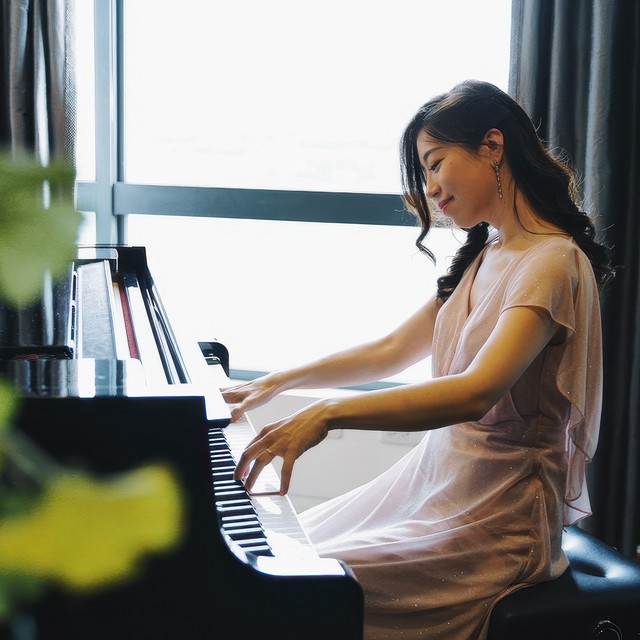
文武贝
10,509
213,794 listeners




7

疗愈音律
5,757
23,245 listeners
8

睡眠寶寶貴族音樂
1,390
20,026 listeners
9

貴族音樂寶寶
1,217
15,501 listeners


12
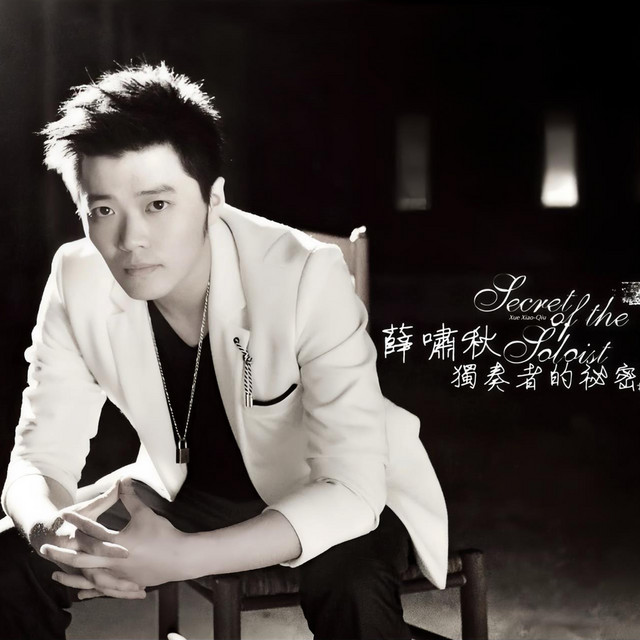
薛汀哲
3,602
9,108 listeners
13

深度睡眠
545
5,398 listeners
14

午覺
369
5,199 listeners
15

睡眠音乐
282
5,038 listeners
16

睡眠導入貴族音樂
516
2,873 listeners
17

寶寶放鬆貴族音樂
330
2,640 listeners
18
吞吞纯音社
80
2,104 listeners

20
古典樂精選 鋼琴貴族音樂
632
1,729 listeners
21

寶寶 睡眠貴族音樂
163
1,684 listeners


24

森林音樂
677
1,081 listeners
25

貓搖籃曲
229
994 listeners
About Chinese bgm
Chinese BGM, shorthand for Chinese background music, is a broad and layered field that sits at the crossroads of tradition and modern media craft. It refers to instrumental music written to accompany film, television, games, and other multimedia, and it has grown into a distinct sonic language that listeners actively seek beyond the scenes it was designed for. The genre is not limited to grand orchestral scores; it often scaffolds cinematic emotion with delicate traditional timbres, contemporary sound design, and ambient textures, creating moods that can be contemplative, martial, or mythic.
Origins and birth of the sound
The seeds of Chinese BGM lie in the long history of Chinese court and folk music, theatre, and operatic scoring. In the 20th century, as Chinese cinema and later television began to flourish, composers started integrating Chinese instrumental color — erhu, guqin, pipa, dizi — with Western orchestration. This fusion accelerated in the late 20th and early 21st centuries, aided by advances in recording technology and the globalization of film music aesthetics. A watershed moment for the genre on the world stage was Tan Dun’s score for Crouching Tiger, Hidden Dragon (2000), which married traditional Chinese sonorities, modern orchestration, and meticulous sound design to create a soundtrack that transcended its film. Films such as Hero (Zhang Yimou) and Farewell My Concubine (Zhao Ziyang/ Zhao Jiping) further established a cinematic idiom that many listeners now recognize as quintessentially Chinese BGM: expansive yet intimate, lush yet tense, and rooted in ancient melodic sensibilities while speaking the language of contemporary production.
Key artists and ambassadors
Two names routinely cited as ambassadors of the Chinese BGM tradition are Tan Dun and Zhao Jiping. Tan Dun, whose scores often fuse ritual percussion, lacquered strings, and water- and earth-inspired textures, helped bring Chinese film music to a global catwalk while also pursuing concert works that broaden the repertoire of what Chinese timbres can do in a modern orchestra. Zhao Jiping, a veteran of Chinese cinema, contributed richly melodic, character-driven scores to films such as Farewell My Concubine and Hero, demonstrating how music can illuminate epic landscape, personal tragedy, and cultural memory at the same time. Beyond these luminaries, the genre has grown a new generation of composers working in studios across Beijing, Shanghai, and Taiwan, blending traditional instruments with synths, field recordings, and modular textures. They continue the dialogue between heritage and experimentation, making Chinese BGM a living, evolving language rather than a fixed anthology of past signatures.
A global footprint
Chinese BGM is most deeply rooted in China, Hong Kong, Macau, and Taiwan, where cinema, television dramas, and game development have maintained robust production cultures. Its influence extends to neighboring East Asian markets and to Western audiences through film scores, streaming platforms, and cultural festivals. For music enthusiasts, the genre offers a portal into a sound world where erhu sighs beside digital ambience, where guqin lines braid with cinematic brass, and where the emotional logic of a story can bloom through instrumental storytelling alone.
Listening note for enthusiasts
Approach Chinese BGM by focusing on how texture and space carry emotion: listen for how traditional timbres are treated with modern production, how pentatonic frames invite a sense of place, and how the score uses silence as a counterpoint to melody. Whether you seek a mood for study, meditation, or cinematic exploration, Chinese BGM provides a rich, immersive listening spectrum that invites repeated listening and cross-cultural discovery.
Origins and birth of the sound
The seeds of Chinese BGM lie in the long history of Chinese court and folk music, theatre, and operatic scoring. In the 20th century, as Chinese cinema and later television began to flourish, composers started integrating Chinese instrumental color — erhu, guqin, pipa, dizi — with Western orchestration. This fusion accelerated in the late 20th and early 21st centuries, aided by advances in recording technology and the globalization of film music aesthetics. A watershed moment for the genre on the world stage was Tan Dun’s score for Crouching Tiger, Hidden Dragon (2000), which married traditional Chinese sonorities, modern orchestration, and meticulous sound design to create a soundtrack that transcended its film. Films such as Hero (Zhang Yimou) and Farewell My Concubine (Zhao Ziyang/ Zhao Jiping) further established a cinematic idiom that many listeners now recognize as quintessentially Chinese BGM: expansive yet intimate, lush yet tense, and rooted in ancient melodic sensibilities while speaking the language of contemporary production.
Key artists and ambassadors
Two names routinely cited as ambassadors of the Chinese BGM tradition are Tan Dun and Zhao Jiping. Tan Dun, whose scores often fuse ritual percussion, lacquered strings, and water- and earth-inspired textures, helped bring Chinese film music to a global catwalk while also pursuing concert works that broaden the repertoire of what Chinese timbres can do in a modern orchestra. Zhao Jiping, a veteran of Chinese cinema, contributed richly melodic, character-driven scores to films such as Farewell My Concubine and Hero, demonstrating how music can illuminate epic landscape, personal tragedy, and cultural memory at the same time. Beyond these luminaries, the genre has grown a new generation of composers working in studios across Beijing, Shanghai, and Taiwan, blending traditional instruments with synths, field recordings, and modular textures. They continue the dialogue between heritage and experimentation, making Chinese BGM a living, evolving language rather than a fixed anthology of past signatures.
A global footprint
Chinese BGM is most deeply rooted in China, Hong Kong, Macau, and Taiwan, where cinema, television dramas, and game development have maintained robust production cultures. Its influence extends to neighboring East Asian markets and to Western audiences through film scores, streaming platforms, and cultural festivals. For music enthusiasts, the genre offers a portal into a sound world where erhu sighs beside digital ambience, where guqin lines braid with cinematic brass, and where the emotional logic of a story can bloom through instrumental storytelling alone.
Listening note for enthusiasts
Approach Chinese BGM by focusing on how texture and space carry emotion: listen for how traditional timbres are treated with modern production, how pentatonic frames invite a sense of place, and how the score uses silence as a counterpoint to melody. Whether you seek a mood for study, meditation, or cinematic exploration, Chinese BGM provides a rich, immersive listening spectrum that invites repeated listening and cross-cultural discovery.