Genre
chinese drama ost
Top Chinese drama ost Artists
Showing 25 of 40 artists
1

盧思穎
1,153
3,575 listeners
2

林世民
1,074
3,268 listeners
3

赵奕欢
China
1,554
2,325 listeners
4
曾詠欣
706
2,007 listeners
5

曹博
180
1,727 listeners
6
臧一人
99
1,701 listeners

8
张宇俊如
430
1,357 listeners
9
等什么君
515
1,338 listeners
10
尹姝贻
592
1,290 listeners
11
何宣林
519
1,177 listeners
12

祝绪丹
794
985 listeners
13
白靜晨
China
266
458 listeners
14
栗錦
412
369 listeners
15
戚砚笛
246
364 listeners
16
朱興東
330
265 listeners
17

孙沛
165
203 listeners
18
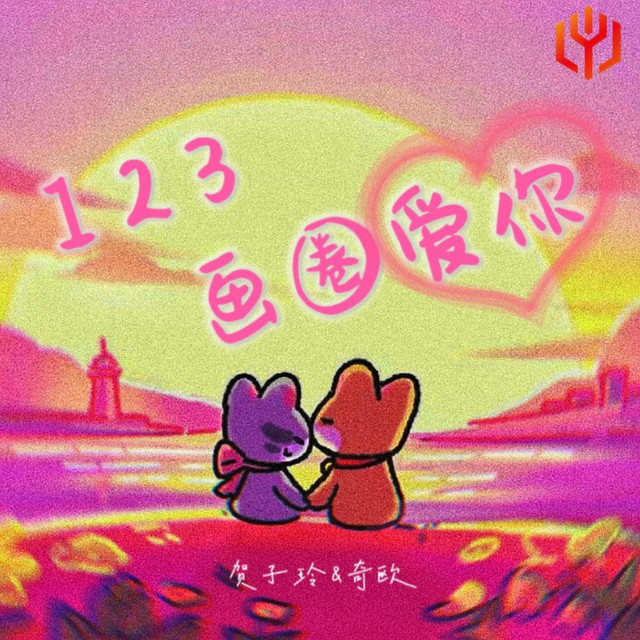
賀子玲
124
196 listeners
19
費定安
116
195 listeners
20

骆明劼
279
171 listeners
21

徐可
571
124 listeners
22

杜海贇
132
15 listeners
23

鍾抒曈
400
6 listeners
24

李歌洋
893
4 listeners
25
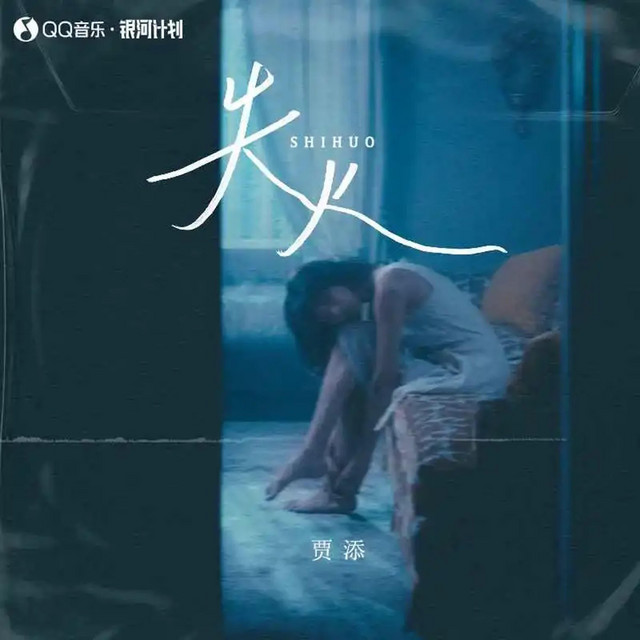
賈添
153
2 listeners
About Chinese drama ost
Chinese drama OST (Original Soundtrack) is a distinct strand of Mandopop that serves as the emotional spine of contemporary Chinese television. These soundtracks accompany dramas across genres—from wuxia and historical epics to modern romances and fantasy fantasies—often weaving vocal-led ballads with lush orchestration, atmospheric instrumental cues, and traditional touches. In practice, the OST is not just background music; it’s a storytelling device: a theme song may crystallize a character’s longing, a motif can signal a turning point, and recurring melodies can bind a drama’s emotional arc from episode to episode. For many listeners, the OST becomes inseparable from the drama itself, a musical memory that resurfaces long after the final episode.
The genre’s genesis and maturation run parallel to the rise of television production in Greater China. In the late 1980s and 1990s, as Mandarin-language TV series gained domestic traction, opening and ending songs began to be treated as separate, marketable products—often performed by popular singers and released on singles or albums. The 2000s saw the phenomenon broaden: the soundtrack industry grew more integrated with the drama’s marketing, and top Mandopop artists began lending their voices to iconic OSTs. The streaming era (2010s onward) transformed OSTs into global commodities, with international fans discovering dramas through playlists and soundtrack albums, sometimes before watching the corresponding series. The result is a robust ecosystem where composers, lyricists, and pop stars collaborate to create cohesive sonic worlds for each drama.
Ambassadors and standout voices of the genre tend to be established Mandopop luminaries who regularly contribute to drama soundtracks. Names often cited as influential include Faye Wong, Jay Chou, Leehom Wang, Stefanie Sun, Jane Zhang, and G.E.M., among others. These artists bring broad stylistic palettes—haunting ballads, cinematic orchestral pieces, and modern pop textures—that suit the wide tonal range of Chinese dramas. Beyond solo stars, the genre thrives on skilled soundtrack composers who craft leitmotifs for characters, as well as lyricists who translate drama’s themes into emotionally precise lines. The OST tradition also welcomes collaborations with regional composers from Taiwan, Hong Kong, and Mainland China, reflecting a cross-cultural Chinese-speaking choir of sounds.
Geographically, Chinese drama OSTs are most popular in Mainland China, Taiwan, Hong Kong, and Singapore, with strong followings in Malaysia and among Chinese-speaking communities in Southeast Asia. The appeal extends to overseas Chinese and curious international listeners through streaming platforms, YouTube channels, and curated soundtrack playlists. The appeal isn’t limited to Mandarin-speaking markets: drama themes often get translated or reinterpreted, and fans in Europe, the Americas, and Australia discover the music via drama awards, fan forums, and international streaming catalogs. In short, Chinese drama OSTs offer a bridge between narrative cinema and popular music—a genre where storytelling and sound design meet the sentiment of a generation.
The genre’s genesis and maturation run parallel to the rise of television production in Greater China. In the late 1980s and 1990s, as Mandarin-language TV series gained domestic traction, opening and ending songs began to be treated as separate, marketable products—often performed by popular singers and released on singles or albums. The 2000s saw the phenomenon broaden: the soundtrack industry grew more integrated with the drama’s marketing, and top Mandopop artists began lending their voices to iconic OSTs. The streaming era (2010s onward) transformed OSTs into global commodities, with international fans discovering dramas through playlists and soundtrack albums, sometimes before watching the corresponding series. The result is a robust ecosystem where composers, lyricists, and pop stars collaborate to create cohesive sonic worlds for each drama.
Ambassadors and standout voices of the genre tend to be established Mandopop luminaries who regularly contribute to drama soundtracks. Names often cited as influential include Faye Wong, Jay Chou, Leehom Wang, Stefanie Sun, Jane Zhang, and G.E.M., among others. These artists bring broad stylistic palettes—haunting ballads, cinematic orchestral pieces, and modern pop textures—that suit the wide tonal range of Chinese dramas. Beyond solo stars, the genre thrives on skilled soundtrack composers who craft leitmotifs for characters, as well as lyricists who translate drama’s themes into emotionally precise lines. The OST tradition also welcomes collaborations with regional composers from Taiwan, Hong Kong, and Mainland China, reflecting a cross-cultural Chinese-speaking choir of sounds.
Geographically, Chinese drama OSTs are most popular in Mainland China, Taiwan, Hong Kong, and Singapore, with strong followings in Malaysia and among Chinese-speaking communities in Southeast Asia. The appeal extends to overseas Chinese and curious international listeners through streaming platforms, YouTube channels, and curated soundtrack playlists. The appeal isn’t limited to Mandarin-speaking markets: drama themes often get translated or reinterpreted, and fans in Europe, the Americas, and Australia discover the music via drama awards, fan forums, and international streaming catalogs. In short, Chinese drama OSTs offer a bridge between narrative cinema and popular music—a genre where storytelling and sound design meet the sentiment of a generation.