Genre
chinese folk
Top Chinese folk Artists
Showing 20 of 20 artists
1

阿鲁阿卓
1,024
34,155 listeners
2
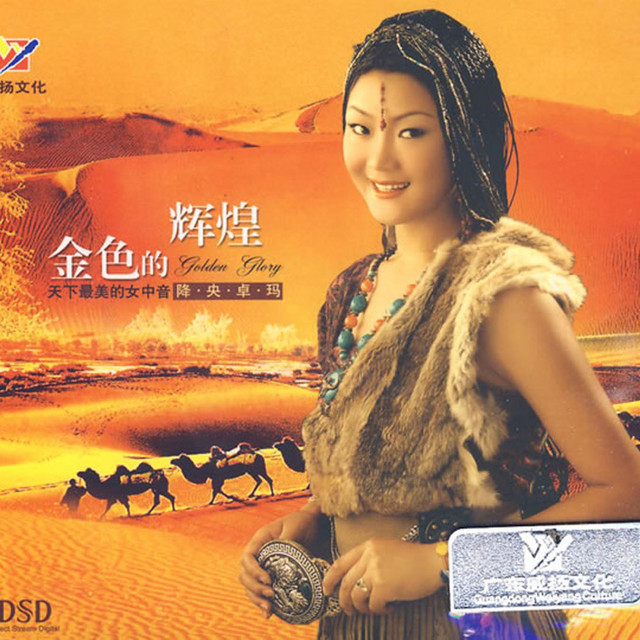
降央卓玛
19,743
30,176 listeners
3
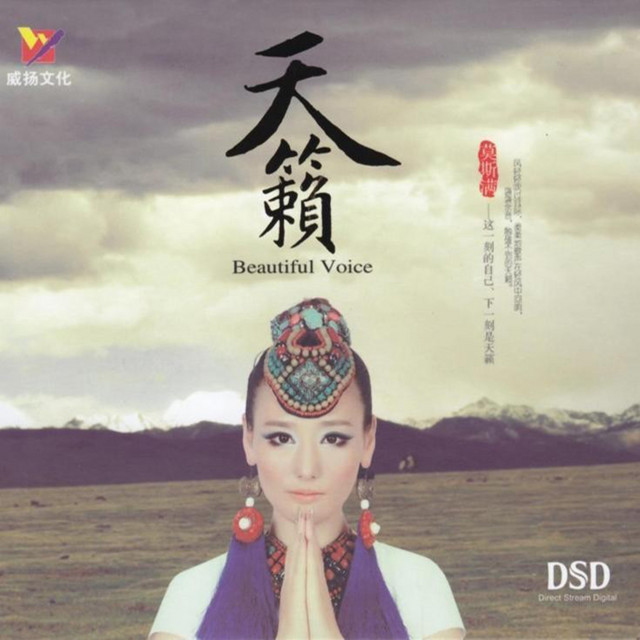
莫斯满
China
3,724
26,754 listeners
4
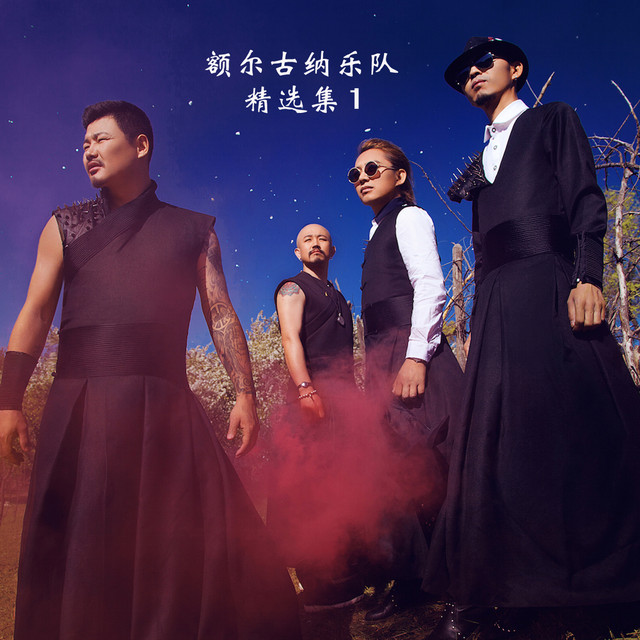
额尔古纳乐队
1,633
5,397 listeners
5

雲朵
8,235
664 listeners
6

扎西顿珠
227
424 listeners
7

旺姆
70
185 listeners
8
草原百灵合唱团
26
181 listeners
9

雲飛
832
83 listeners
10

琪琪格
28
62 listeners
11

张想想
-
14 listeners
12
王安疆
5
7 listeners
13

周晶
1
5 listeners
14

阿普萨萨
13
3 listeners
15

晓艺
2
3 listeners
16
其其格瑪
-
1 listeners
17

容中爾甲
79
- listeners
18
哈斯托娅
42
- listeners
19

包胡爾查
1
- listeners
20
童彤
1,221
- listeners
About Chinese folk
Chinese folk is a broad umbrella for the traditional songs, melodies, and vocal storytelling that have animated communities across China for centuries. It isn’t a single sound but a tapestry woven from countless regional voices—from the wide plains of the north to the mountains of Yunnan, from the everyday street singers of cities to the rites and rituals of minority cultures. At its core, Chinese folk emphasizes narrative, communal memory, and a direct, often intimate relationship between singer, listener, and landscape. Instruments range from ancient to contemporary, including erhu, pipa, dizi (bamboo flute), guzheng, sheng, and a variety of percussion, all capable of evoking vast spaces or intimate moments.
Origins and birth. The roots of folk tradition in China reach back to agrarian rituals, court entertainments, and market songs that circulated in villages and towns long before modern publishing. Over centuries these songs became part of daily life—seasonal harvest tunes, work songs, protest ballads, sailor shanties, and courtly melodies adapted for ordinary listeners. By the early 20th century, scholars and musicians began collecting and preserving these min ge (folk songs) as a cultural heritage. The May Fourth era and the Republican period in China fostered a nationalist impulse to valorize folk roots as a source of national identity. After 1949, state-supported preservation programs catalogued regional repertoires, sometimes blending them with formal orchestration. The late 20th century saw a revival beyond strict preservation: a contemporary strand of Chinese folk that fused traditional sensibilities with modern songwriting, giving rise to a language that resonates with today’s listeners without abandoning its roots. That revival is still evolving, crossing borders through world-music circuits and the growing global interest in singer-songwriter traditions.
Sound and form. Traditional Chinese folk is diverse—heroic epic songs, lullabies, work tunes, and ritual songs sit side by side with more intimate ballads. Laozi-like, didactic, or lyrically introspective pieces can be found across regions. The timbre of the voice often carries a plain-spoken directness, while melodic contours may be modal or pentatonic, offering a sense of spaciousness and storytelling. In modern practice, artists frequently combine traditional modes with contemporary arrangements, acoustic guitar, light percussion, and sparse electric textures to keep the emphasis on text, mood, and memory.
Key artists and ambassadors. In the modern era, several figures are widely cited as ambassadors of the Chinese folk spirit. Luo Dayou (罗大佑) and Li Zongsheng (李宗盛) helped popularize folk-inflected storytelling in Mandarin, laying groundwork for a generation of singer-songwriters. Zhang Chu (张楚) and Pu Shu (朴树) extended the tradition into the indie scene, blending spoken-word narration with melodic, emotionally direct tunes. These figures—alongside countless regional singers—are celebrated for turning traditional folk into a living, contemporary language.
Global reach. Chinese folk remains most strongly rooted in China, Taiwan, and Hong Kong, but it has a substantial presence among Chinese-speaking communities in Singapore, Malaysia, and across the diaspora in the United States, Canada, Australia, and parts of Europe. Outside China, enthusiasts of world and traditional folk music discover the genre through cross-cultural collaborations and the ongoing interest in regional repertoires. For music lovers, Chinese folk offers a doorway to a history of sound that is at once ancient and current, intimate and expansive.
Origins and birth. The roots of folk tradition in China reach back to agrarian rituals, court entertainments, and market songs that circulated in villages and towns long before modern publishing. Over centuries these songs became part of daily life—seasonal harvest tunes, work songs, protest ballads, sailor shanties, and courtly melodies adapted for ordinary listeners. By the early 20th century, scholars and musicians began collecting and preserving these min ge (folk songs) as a cultural heritage. The May Fourth era and the Republican period in China fostered a nationalist impulse to valorize folk roots as a source of national identity. After 1949, state-supported preservation programs catalogued regional repertoires, sometimes blending them with formal orchestration. The late 20th century saw a revival beyond strict preservation: a contemporary strand of Chinese folk that fused traditional sensibilities with modern songwriting, giving rise to a language that resonates with today’s listeners without abandoning its roots. That revival is still evolving, crossing borders through world-music circuits and the growing global interest in singer-songwriter traditions.
Sound and form. Traditional Chinese folk is diverse—heroic epic songs, lullabies, work tunes, and ritual songs sit side by side with more intimate ballads. Laozi-like, didactic, or lyrically introspective pieces can be found across regions. The timbre of the voice often carries a plain-spoken directness, while melodic contours may be modal or pentatonic, offering a sense of spaciousness and storytelling. In modern practice, artists frequently combine traditional modes with contemporary arrangements, acoustic guitar, light percussion, and sparse electric textures to keep the emphasis on text, mood, and memory.
Key artists and ambassadors. In the modern era, several figures are widely cited as ambassadors of the Chinese folk spirit. Luo Dayou (罗大佑) and Li Zongsheng (李宗盛) helped popularize folk-inflected storytelling in Mandarin, laying groundwork for a generation of singer-songwriters. Zhang Chu (张楚) and Pu Shu (朴树) extended the tradition into the indie scene, blending spoken-word narration with melodic, emotionally direct tunes. These figures—alongside countless regional singers—are celebrated for turning traditional folk into a living, contemporary language.
Global reach. Chinese folk remains most strongly rooted in China, Taiwan, and Hong Kong, but it has a substantial presence among Chinese-speaking communities in Singapore, Malaysia, and across the diaspora in the United States, Canada, Australia, and parts of Europe. Outside China, enthusiasts of world and traditional folk music discover the genre through cross-cultural collaborations and the ongoing interest in regional repertoires. For music lovers, Chinese folk offers a doorway to a history of sound that is at once ancient and current, intimate and expansive.