Genre
chinese reggae
Top Chinese reggae Artists
Showing 5 of 5 artists
1
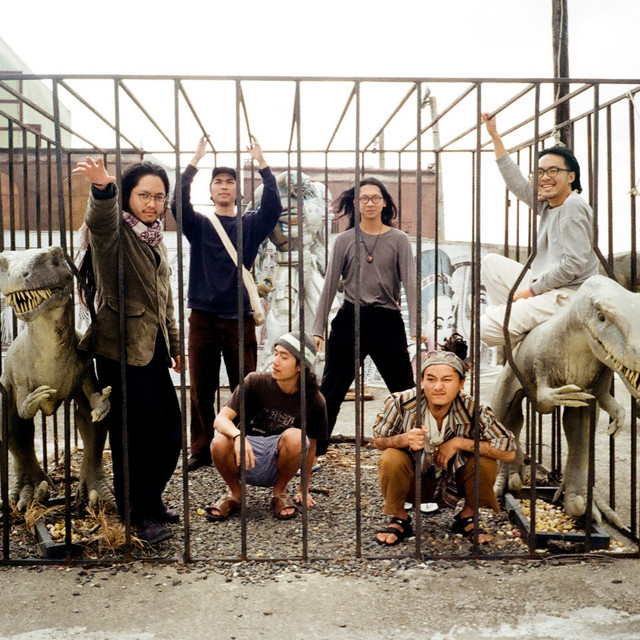
才能有限公司
1,236
1,166 listeners

5
龍神道
104
- listeners
About Chinese reggae
Chinese reggae is a regional interpretation of the Jamaican reggae backbone, reimagined through Chinese language, melodies, and local cultural sensibilities. It is not a single, monolithic scene but a patchwork of bands, collectives, and solo artists across Chinese-speaking communities that fuse the classic offbeat riddims with Mandarin, Cantonese, Hokkien, and other regional dialects. The result is a groove-driven, lyric-forward mode of expression that keeps reggae’s social consciousness while speaking to local histories, cities, and youth cultures.
The genre began to coalesce in the late 1990s and early 2000s as reggae’s global reach reached Asian shores and underground music scenes in Hong Kong, Taiwan, and the Mainland started absorbing its rhythms. In these environments, reggae’s emphasis on rhythm, bass, and storytelling found natural connections with local street cultures, indie rock, and pop experimentation. Over time, producers and performers began writing in Chinese, creating a natural bridge between the universal language of reggae and the intimate idioms of local audiences. Today, Chinese reggae is characterized by bilingual or multilingual lyrics, where verses might switch from Mandarin or Cantonese to English, and where the themes range from everyday resilience and youth rebellion to social commentary and personal introspection.
Musically, the style preserves reggae’s essential elements: steady one-drop or skank rhythms, drum-and-bass concepts, and the characteristic bassline that anchors the groove. You’ll often hear a blend of traditional reggae instrumentation—guitar offbeats, rhythmic piano chop, and warm bass—with modern production touches: electronic textures, hip-hop influenced flows, and occasionally traditional Chinese musical textures or samples. The result is music that can swing from slow, reflective tunes to upbeat, danceable tracks, all under a reggae-informed umbrella. In lyric delivery, artists frequently lean into a conversational, streetwise cadence, using local slang and cultural references that resonate with listeners who navigate urban life across Chinese-speaking cities.
Ambassadors and key figures in Chinese reggae are very regionally distributed, reflecting the scene’s grassroots character. Rather than a single globally renowned torchbearer, the scene is often propelled by regional bands and collectives that tour locally, release independent records, and collaborate with international reggae artists during Asia-based tours and festivals. In Taiwan and Hong Kong, for example, there are acts that have helped introduce and sustain reggae in Mandarin and Cantonese circles, while Mainland China scenes—in fast-growing metropolitan hubs—tend to operate through indie venues, universities, and cultural festivals. These acts serve as informal ambassadors, linking local audiences to Jamaica’s roots while infusing the music with their own linguistic and urban sensibilities.
Chinese reggae finds its strongest niches in Taiwan, Hong Kong, Singapore, Malaysia, and China’s major cities, where reggae-friendly venues, radio shows, and streaming playlists keep the conversations alive. It also thrives within diaspora communities across North America and Southeast Asia, where Chinese-language reggae serves as a cultural bridge and a sonic archive of immigrant experiences. For enthusiasts, Chinese reggae offers a compelling lens on how reggae’s universal rhythms can be refracted through language and local memory, producing a vibrant, evolving genre that remains deeply rooted in communal storytelling and groove.
The genre began to coalesce in the late 1990s and early 2000s as reggae’s global reach reached Asian shores and underground music scenes in Hong Kong, Taiwan, and the Mainland started absorbing its rhythms. In these environments, reggae’s emphasis on rhythm, bass, and storytelling found natural connections with local street cultures, indie rock, and pop experimentation. Over time, producers and performers began writing in Chinese, creating a natural bridge between the universal language of reggae and the intimate idioms of local audiences. Today, Chinese reggae is characterized by bilingual or multilingual lyrics, where verses might switch from Mandarin or Cantonese to English, and where the themes range from everyday resilience and youth rebellion to social commentary and personal introspection.
Musically, the style preserves reggae’s essential elements: steady one-drop or skank rhythms, drum-and-bass concepts, and the characteristic bassline that anchors the groove. You’ll often hear a blend of traditional reggae instrumentation—guitar offbeats, rhythmic piano chop, and warm bass—with modern production touches: electronic textures, hip-hop influenced flows, and occasionally traditional Chinese musical textures or samples. The result is music that can swing from slow, reflective tunes to upbeat, danceable tracks, all under a reggae-informed umbrella. In lyric delivery, artists frequently lean into a conversational, streetwise cadence, using local slang and cultural references that resonate with listeners who navigate urban life across Chinese-speaking cities.
Ambassadors and key figures in Chinese reggae are very regionally distributed, reflecting the scene’s grassroots character. Rather than a single globally renowned torchbearer, the scene is often propelled by regional bands and collectives that tour locally, release independent records, and collaborate with international reggae artists during Asia-based tours and festivals. In Taiwan and Hong Kong, for example, there are acts that have helped introduce and sustain reggae in Mandarin and Cantonese circles, while Mainland China scenes—in fast-growing metropolitan hubs—tend to operate through indie venues, universities, and cultural festivals. These acts serve as informal ambassadors, linking local audiences to Jamaica’s roots while infusing the music with their own linguistic and urban sensibilities.
Chinese reggae finds its strongest niches in Taiwan, Hong Kong, Singapore, Malaysia, and China’s major cities, where reggae-friendly venues, radio shows, and streaming playlists keep the conversations alive. It also thrives within diaspora communities across North America and Southeast Asia, where Chinese-language reggae serves as a cultural bridge and a sonic archive of immigrant experiences. For enthusiasts, Chinese reggae offers a compelling lens on how reggae’s universal rhythms can be refracted through language and local memory, producing a vibrant, evolving genre that remains deeply rooted in communal storytelling and groove.