Genre
chinese soundtrack
Top Chinese soundtrack Artists
Showing 21 of 21 artists
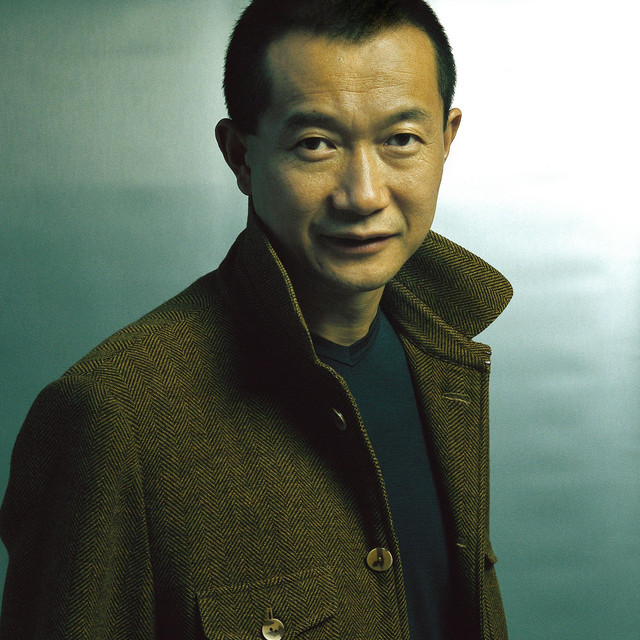
2

電視原聲帶
359
29,759 listeners
3

影視原聲帶
67
17,782 listeners
5
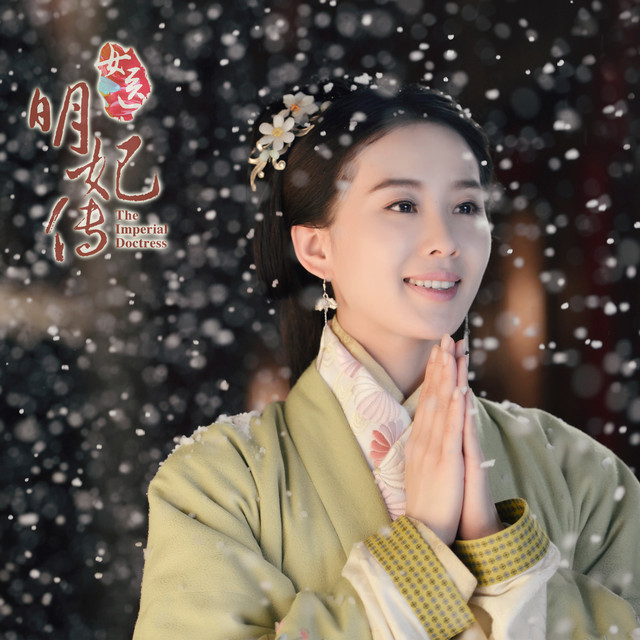
《女醫明妃傳》電視劇原聲帶
73
5,607 listeners
6
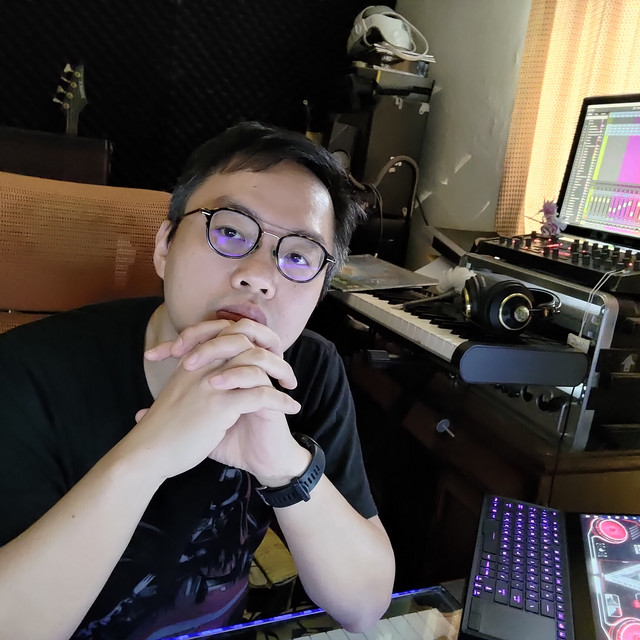
張衞帆
1,009
5,594 listeners
7
許願
68
2,104 listeners
8
洪川
585
1,339 listeners
9
劉季陵
105
1,209 listeners
10
電視劇原聲帶
178
727 listeners

12

秦四風
909
203 listeners
13

電影原聲帶
156
87 listeners
14

《記憶大師》電影原聲帶
2
27 listeners
15

呂立凡
-
5 listeners
16

王宇波
11
4 listeners
17

曾韻方
18
2 listeners
18
電視劇《獨步天下》原聲帶
1,366
- listeners
19
北京聽見
9
- listeners
20
網路劇《可惜不是你》原聲帶
87
- listeners
About Chinese soundtrack
Chinese soundtrack refers to the music composed for Chinese cinema, television, and media, produced in China or for Chinese productions, and widely recognized as a distinct strand of film music. These soundtracks are defined by a dialogue between traditional Chinese timbres—erhu, guzheng, pipa, dizi—and Western orchestration, electronics, and contemporary ambient textures. The result is an idiom that can surge with martial grandeur, conjure intimate lyricism, or drift toward atmospheric minimalism, all while carrying a sensibility rooted in Chinese aesthetics and storytelling.
The modern Chinese soundtrack began to crystallize in the late 20th century, as filmmakers sought scores that could carry sweeping landscapes and culturally specific emotion onto a global stage. The wuxia epics of the early 2000s, in particular, helped propel the genre into international consciousness. A turning point came with Tan Dun, whose scores for Crouching Tiger, Hidden Dragon (2000) and Hero (2002) fused Chinese instrumental phrasings with lush, contemporary orchestration and ritual-like motifs. Dun’s work did not merely accompany action; it redefined how Chinese cinema sounded to the world and established him as one of the era’s most influential ambassadors for Chinese soundtrack music.
Another key thread runs through East Asian cinema with Shigeru Umebayashi’s evocative scores for House of Flying Daggers (2004) and other projects. His music, though created by a Japanese-born composer, became deeply associated with Chinese aesthetic cinema and showcased how cross-cultural collaboration can refine and expand the genre’s palette. Beyond feature films, Chinese soundtracks for television dramas, period pieces, and animation have continued to push the envelope, blending folk melodies, pentatonic scalar sensibilities, and cinematic electronics to craft moods that range from lyrical reminiscence to cavernous epic scale.
In terms of geography and reception, Chinese soundtracks enjoy a broad base. They are especially central in Mainland China, Hong Kong, and Taiwan, where production ecosystems and orchestral studios are well established. They also resonate in Singapore, Malaysia, and the wider Asian sphere, where traditional instruments and cinematic grandeur often meet local pop sensibilities. In Western markets, these scores have found enthusiastic listening audiences through festival circuits, art-house cinemas, and streaming platforms, helping the genre attract ensembles and collaborators from around the world.
Listeners seeking representative listening should start with Crouching Tiger, Hidden Dragon and Hero for Tan Dun’s emblematic blend of ritual atmosphere and cinematic momentum, then explore House of Flying Daggers for another take on East Asian scoring craft. The Chinese soundtrack is less a single style than a dynamic continuum—an evolving conversation between ancient timbres and contemporary technique that continues to shape the sound of modern Chinese cinema and beyond.
Beyond film, Chinese soundtracks have extended into video games and animation, where composers explore interactive scoring that responds to pacing. The Chinese diaspora—artists abroad or on international co-productions—helps export the sound to Europe, North America, and Australia, often in collaboration with local orchestras. Festivals frequently feature premieres and concerts devoted to Chinese score, and orchestras worldwide perform suites from Tan Dun and peers. Taken together, the Chinese soundtrack is a living tradition, blending heritage with modern storytelling for both China and beyond.
The modern Chinese soundtrack began to crystallize in the late 20th century, as filmmakers sought scores that could carry sweeping landscapes and culturally specific emotion onto a global stage. The wuxia epics of the early 2000s, in particular, helped propel the genre into international consciousness. A turning point came with Tan Dun, whose scores for Crouching Tiger, Hidden Dragon (2000) and Hero (2002) fused Chinese instrumental phrasings with lush, contemporary orchestration and ritual-like motifs. Dun’s work did not merely accompany action; it redefined how Chinese cinema sounded to the world and established him as one of the era’s most influential ambassadors for Chinese soundtrack music.
Another key thread runs through East Asian cinema with Shigeru Umebayashi’s evocative scores for House of Flying Daggers (2004) and other projects. His music, though created by a Japanese-born composer, became deeply associated with Chinese aesthetic cinema and showcased how cross-cultural collaboration can refine and expand the genre’s palette. Beyond feature films, Chinese soundtracks for television dramas, period pieces, and animation have continued to push the envelope, blending folk melodies, pentatonic scalar sensibilities, and cinematic electronics to craft moods that range from lyrical reminiscence to cavernous epic scale.
In terms of geography and reception, Chinese soundtracks enjoy a broad base. They are especially central in Mainland China, Hong Kong, and Taiwan, where production ecosystems and orchestral studios are well established. They also resonate in Singapore, Malaysia, and the wider Asian sphere, where traditional instruments and cinematic grandeur often meet local pop sensibilities. In Western markets, these scores have found enthusiastic listening audiences through festival circuits, art-house cinemas, and streaming platforms, helping the genre attract ensembles and collaborators from around the world.
Listeners seeking representative listening should start with Crouching Tiger, Hidden Dragon and Hero for Tan Dun’s emblematic blend of ritual atmosphere and cinematic momentum, then explore House of Flying Daggers for another take on East Asian scoring craft. The Chinese soundtrack is less a single style than a dynamic continuum—an evolving conversation between ancient timbres and contemporary technique that continues to shape the sound of modern Chinese cinema and beyond.
Beyond film, Chinese soundtracks have extended into video games and animation, where composers explore interactive scoring that responds to pacing. The Chinese diaspora—artists abroad or on international co-productions—helps export the sound to Europe, North America, and Australia, often in collaboration with local orchestras. Festivals frequently feature premieres and concerts devoted to Chinese score, and orchestras worldwide perform suites from Tan Dun and peers. Taken together, the Chinese soundtrack is a living tradition, blending heritage with modern storytelling for both China and beyond.