Genre
chinese viral pop
Top Chinese viral pop Artists
Showing 25 of 46 artists
1

林必媜
2,256
32,033 listeners
2
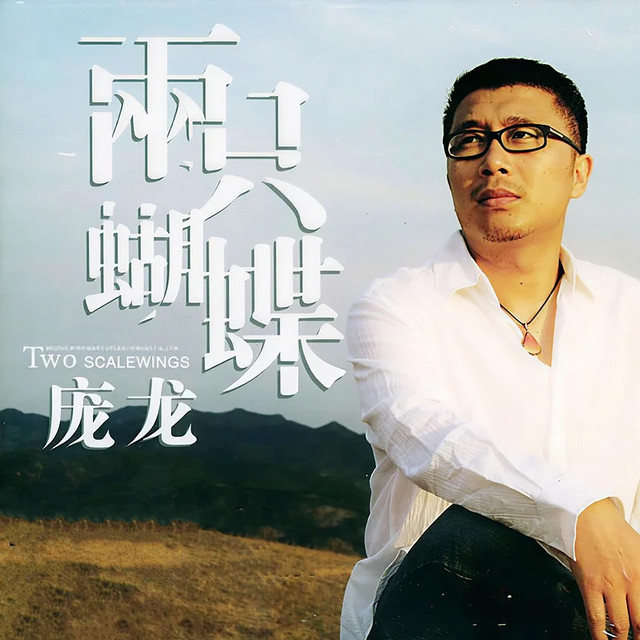
庞龙
1,835
10,668 listeners
3

秋裤大叔
695
8,339 listeners

5

張又喬
397
260 listeners
6

王逗逗
67
116 listeners
7

小来
301
40 listeners
8
逸霄
423
38 listeners
9
烟嗓
530
29 listeners
11
张二嫂
27
15 listeners
12

林贝贝
625
13 listeners
13

闭文思
63
6 listeners
14

井迪兒
2,046
6 listeners
15
音格概念
778
5 listeners
16
秋原依
1,235
4 listeners
17

卢克
259
4 listeners
18

不够
349
3 listeners
19
林柯
236
2 listeners
21
你的叽叽
349
2 listeners
23
尘木木
1,375
1 listeners
24
是七叔呢
11,262
1 listeners
About Chinese viral pop
Chinese viral pop is best understood as an emergent, media-driven strand of Chinese-language pop music. It isn’t a rigid sonic category with a fixed set of sounds; rather, it’s a phenomenon shaped by short-form video platforms, meme culture, and crowd-driven remixing. Songs that fall into this space are crafted—or rapidly reinterpreted—to travel as clips, dances, and challenges across Douyin (the Chinese version of TikTok), Kuaishou, Bilibili, and other social feeds. The result is a music that prioritizes immediacy, shareability, and adaptability to video formats.
Origins and birth
The roots of Chinese viral pop lie in the late 2010s, with the explosive rise of short-video platforms in China. Douyin, launched by ByteDance in 2016, accelerated a feedback loop: catchy riffs and chorus hooks beg to be danced to, viewers create and share video responses, and the cycle repeats with ever-shorter attention spans. By the early 2020s, hundreds of tracks had become “memes” in their own right, not only for listening but for dancing, lip-syncing, and duetting. The genre thrives on the idea that a song is a soundtrack for a social moment as much as a standalone listening experience.
Sound and form
CVP songs are typically short, hook-forward, and malleable. They favor bright tempos, clean melodic hooks, and punchy production that can be sliced into 15–45 second video segments. Lyrics often lean into concise, catchy phrases or call-and-response lines that viewers can repeat or remix. Instrumentation blends EDM, hip-hop, trap, synth-pop, and traditional-sounding melodies, but the unifying factor is not a single sound—it's the song’s ability to be sampled, danced to, remixed, and memed. The “video first” ethos also pushes producers to conceive moments that are visually engaging: bright drops, rhythmic claps, minimal but effective bass hits, and on-screen text or captions that enhance shareability.
Ambassadors and key artists
Because CVP is a fluid, platform-driven phenomenon, there isn’t a fixed roster of canonical artists. Ambassadors are best understood as the set of tracks and creators that become memes: the songwriters and performers whose verses, hooks, or dance cues invite endless remixes, cover performances, and duet videos. In practice, notable CVP figures tend to be those who consistently tailor their output for short-form channels, collaborate with meme-makers, and cultivate a video-native appeal. As the field evolves, new acts rise who exemplify the format—often artists who can deliver a crisp, memorable hook and a performance-ready moment in under a minute. If you’d like, I can include current, verified names that are widely recognized as exemplars of this trend.
Geography and audience
CVP is rooted in Mainland China but has a cross-border footprint. It reaches audiences across Taiwan, Hong Kong, Macau, and into Southeast Asia (Singapore, Malaysia, Indonesia) where Mandarin and Cantonese pop enjoy broad listening communities. It also finds resonance among Chinese-speaking diaspora and curious global listeners on TikTok and Instagram, where viral Chinese-language tracks frequently seed global dances and memes. The genre’s popularity is bolstered by the ease with which short videos can travel across borders, languages, and cultures.
If you want, I can tailor this description with concrete artist names and tracks that are currently emblematic of Chinese viral pop, or adjust the emphasis toward a specific region or era.
Origins and birth
The roots of Chinese viral pop lie in the late 2010s, with the explosive rise of short-video platforms in China. Douyin, launched by ByteDance in 2016, accelerated a feedback loop: catchy riffs and chorus hooks beg to be danced to, viewers create and share video responses, and the cycle repeats with ever-shorter attention spans. By the early 2020s, hundreds of tracks had become “memes” in their own right, not only for listening but for dancing, lip-syncing, and duetting. The genre thrives on the idea that a song is a soundtrack for a social moment as much as a standalone listening experience.
Sound and form
CVP songs are typically short, hook-forward, and malleable. They favor bright tempos, clean melodic hooks, and punchy production that can be sliced into 15–45 second video segments. Lyrics often lean into concise, catchy phrases or call-and-response lines that viewers can repeat or remix. Instrumentation blends EDM, hip-hop, trap, synth-pop, and traditional-sounding melodies, but the unifying factor is not a single sound—it's the song’s ability to be sampled, danced to, remixed, and memed. The “video first” ethos also pushes producers to conceive moments that are visually engaging: bright drops, rhythmic claps, minimal but effective bass hits, and on-screen text or captions that enhance shareability.
Ambassadors and key artists
Because CVP is a fluid, platform-driven phenomenon, there isn’t a fixed roster of canonical artists. Ambassadors are best understood as the set of tracks and creators that become memes: the songwriters and performers whose verses, hooks, or dance cues invite endless remixes, cover performances, and duet videos. In practice, notable CVP figures tend to be those who consistently tailor their output for short-form channels, collaborate with meme-makers, and cultivate a video-native appeal. As the field evolves, new acts rise who exemplify the format—often artists who can deliver a crisp, memorable hook and a performance-ready moment in under a minute. If you’d like, I can include current, verified names that are widely recognized as exemplars of this trend.
Geography and audience
CVP is rooted in Mainland China but has a cross-border footprint. It reaches audiences across Taiwan, Hong Kong, Macau, and into Southeast Asia (Singapore, Malaysia, Indonesia) where Mandarin and Cantonese pop enjoy broad listening communities. It also finds resonance among Chinese-speaking diaspora and curious global listeners on TikTok and Instagram, where viral Chinese-language tracks frequently seed global dances and memes. The genre’s popularity is bolstered by the ease with which short videos can travel across borders, languages, and cultures.
If you want, I can tailor this description with concrete artist names and tracks that are currently emblematic of Chinese viral pop, or adjust the emphasis toward a specific region or era.