Genre
cifteli
Top Cifteli Artists
Showing 22 of 22 artists









About Cifteli
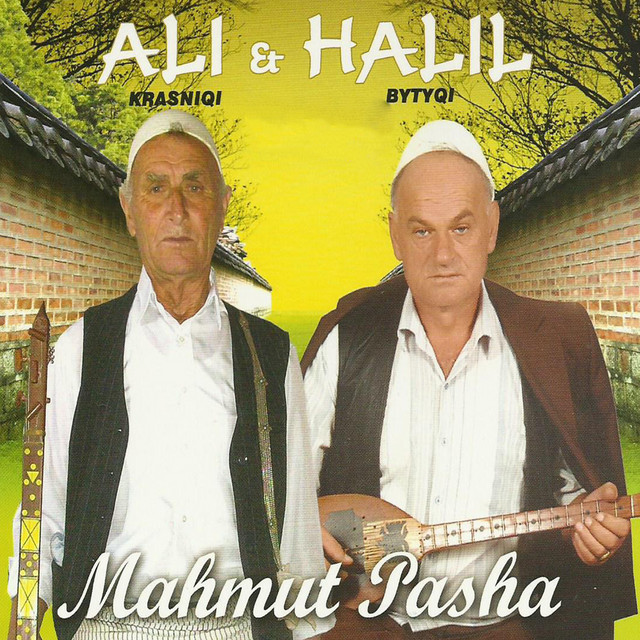
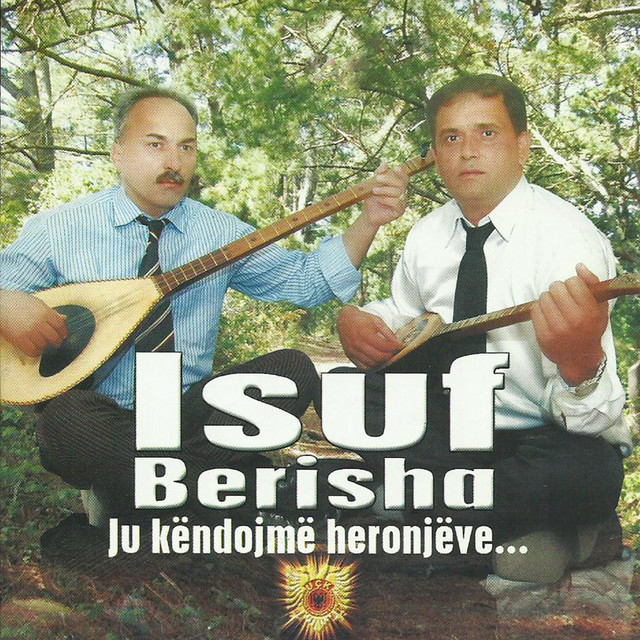
Çifteli is a traditional Turkic two-stringed instrument and the music that grows from it. Characterized by a bright, piercing timbre and a strong sense of rhythmic drive, the Çifteli is usually plucked or strummed with a pick, sometimes augmented by a simple drone line from the other string. Its compact size and straightforward construction belie a remarkably expressive voice, capable of shimmering melodies, rapid flourishes, and subtle microtonal inflections that nudge the music toward the epic and the lyrical alike.
Historically, Çifteli sits at the crossroads of Central Asian, Caucasian, and Anatolian folk cultures. Its name literally means “double string,” signaling its defining feature, and it shares kinship with other long-necked, lute-like instruments in the region. The instrument has deep roots in medieval Turkic communities and is frequently mentioned in ethnographic sources and regional chronicles as part of village ensembles, staging music for weddings, harvest celebrations, community gatherings, and storytelling sessions. While precise origin stories are debated, most scholars agree that Çifteli emerged from the same family of instruments that traveled with nomadic and agrarian life across the Turkic world, adapting to local musical tastes as it traveled.
In performance practice, Çifteli is most closely associated with the ashik (aşık) tradition—wandering poets-musicians who recite epic poetry and sing songs that celebrate heroes, history, love, and daily life. In ashik repertoires, the two-string instrument often provides both rhythmic pulse and melodic contour, weaving with the voice to propel long-form ballads and lively dance tunes. Beyond the ashik framework, Çifteli also appears in village ensembles and regional folk groups, where it participates in celebratory music, wedding tempos, and ceremonial music. The repertoire tends to be timbrally direct and emotionally immediate: tunes favor clear, memorable phrases, call-and-response structures, and dance-oriented rhythms that pair well with footwork and communal singing.
Çifteli remains especially prominent in Turkey and Azerbaijan, where folk traditions evolved but continued to influence contemporary music scenes. You’ll hear it in rural locales as well as in urban folk and world-music contexts, where ensembles fuse traditional techniques with modern sensibilities. The instrument has also traveled with diaspora communities into the Caucasus, the Balkans, and parts of Central Asia, where players adapt its texture to local scales, tunings, and performance formats. In today’s scene, Çifteli is celebrated both as a preserved heritage and as a living, adaptable voice—appearing in traditional concerts, ethnomusicology showcases, and cross-genre collaborations that pair it with accordions, duduks, percussion, and even electronic textures.
If you’re new to the sound, listen for the decisive plucks that ride a steady pulse, the way the second string can underpin drone-like slides, and the way melodic lines shimmer over a modal framework. Notable ambassadors of the tradition are best encountered through ashik performances and regional folk ensembles, where the Çifteli’s dual heritage as a musical instrument and a storyteller’s voice is most vividly realized. If you want, I can suggest specific artists or recordings from particular regions to suit your listening goals.
Historically, Çifteli sits at the crossroads of Central Asian, Caucasian, and Anatolian folk cultures. Its name literally means “double string,” signaling its defining feature, and it shares kinship with other long-necked, lute-like instruments in the region. The instrument has deep roots in medieval Turkic communities and is frequently mentioned in ethnographic sources and regional chronicles as part of village ensembles, staging music for weddings, harvest celebrations, community gatherings, and storytelling sessions. While precise origin stories are debated, most scholars agree that Çifteli emerged from the same family of instruments that traveled with nomadic and agrarian life across the Turkic world, adapting to local musical tastes as it traveled.
In performance practice, Çifteli is most closely associated with the ashik (aşık) tradition—wandering poets-musicians who recite epic poetry and sing songs that celebrate heroes, history, love, and daily life. In ashik repertoires, the two-string instrument often provides both rhythmic pulse and melodic contour, weaving with the voice to propel long-form ballads and lively dance tunes. Beyond the ashik framework, Çifteli also appears in village ensembles and regional folk groups, where it participates in celebratory music, wedding tempos, and ceremonial music. The repertoire tends to be timbrally direct and emotionally immediate: tunes favor clear, memorable phrases, call-and-response structures, and dance-oriented rhythms that pair well with footwork and communal singing.
Çifteli remains especially prominent in Turkey and Azerbaijan, where folk traditions evolved but continued to influence contemporary music scenes. You’ll hear it in rural locales as well as in urban folk and world-music contexts, where ensembles fuse traditional techniques with modern sensibilities. The instrument has also traveled with diaspora communities into the Caucasus, the Balkans, and parts of Central Asia, where players adapt its texture to local scales, tunings, and performance formats. In today’s scene, Çifteli is celebrated both as a preserved heritage and as a living, adaptable voice—appearing in traditional concerts, ethnomusicology showcases, and cross-genre collaborations that pair it with accordions, duduks, percussion, and even electronic textures.
If you’re new to the sound, listen for the decisive plucks that ride a steady pulse, the way the second string can underpin drone-like slides, and the way melodic lines shimmer over a modal framework. Notable ambassadors of the tradition are best encountered through ashik performances and regional folk ensembles, where the Çifteli’s dual heritage as a musical instrument and a storyteller’s voice is most vividly realized. If you want, I can suggest specific artists or recordings from particular regions to suit your listening goals.