Genre
classic anime
Top Classic anime Artists
Showing 25 of 73 artists
2

伊勢大貴
Japan
1,262
41,044 listeners

5
松原剛志
Japan
681
28,250 listeners
6
大西洋平
Japan
3,638
27,453 listeners
7

大和田 りつこ
665
21,465 listeners
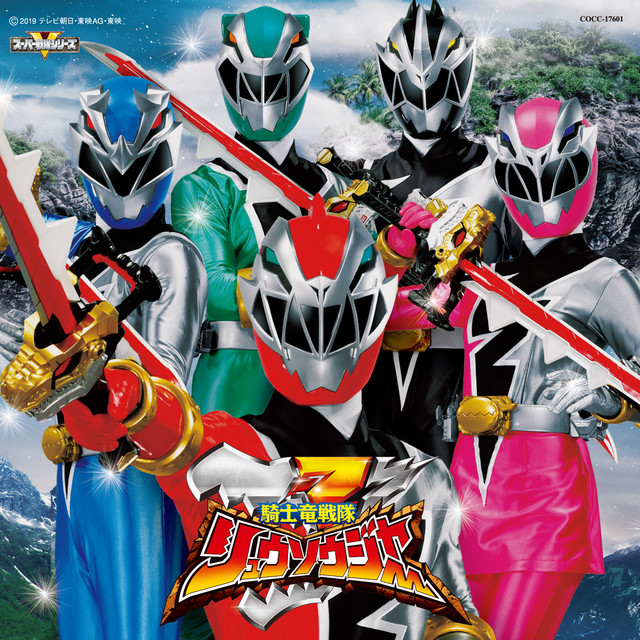
11
高山成孝
Japan
235
12,436 listeners

13
トゥー・チー・チェン
Japan
261
9,980 listeners
16
吉田達彦
Japan
267
8,399 listeners

19
希砂未 竜
174
5,479 listeners
24
北原 拓
Japan
153
4,426 listeners
About Classic anime
Classic anime is a curatorial term used by music enthusiasts to describe the enduring soundtrack aesthetic that shaped Japanese animation from the 1960s through the early 2000s. It isn’t a strict genre in music theory, but a mood, a palette, and a storytelling approach: melody-forward scores, rich orchestration, and a fluid blending of pop, rock, jazz, and electronic textures that mirror the emotional arc of on-screen narratives. Listeners often treat these scores as cinematic partners—the music that makes a show’s world feel tangible and its characters’ triumphs and traumas feel earned.
The birth of classic anime can be traced to the rise of television anime in the 1960s, when dedicated composers began shaping a distinct musical voice for the medium. Early scores tended to hinge on memorable leitmotifs—melodic cues attached to characters, mecha, or dramatic turns—while balancing Western symphonic craft with distinctly Japanese melodic sensibilities. The 1970s and 1980s then saw the genre experiment with broader sonic color: orchestral depth anchored by innovative arrangements, alongside the then-new power of electronic textures and pop-rock inflections. A landmark moment is commonly cited in the way Macross (and its successors) integrated in-universe songs as key plot devices, turning music itself into a narrative engine and signaling a lasting shift in how sound could propel the story within anime.
Among the genre’s ambassadors, several names have become touchstones for classic anime’s emotional range and artistic ambition. Joe Hisaishi stands as a global emblem of the era, with lush, cinematic scores for Studio Ghibli films such as Nausicaä of the Valley of the Wind, Princess Mononoke, and Spirited Away, where symphonic warmth and melodic tenderness anchor fantastical worlds. Yoko Kanno is renowned for genre-spanning work on shows like Cowboy Bebop, where jazz-inflected grooves, cinematic sweeps, and eclectic instrumental color collide with anime’s storytelling pace. Shiro Sagisu pushed boundaries with Neon Genesis Evangelion, pairing choral intensity and electronic textures to heighten existential drama. Kenji Kawai offered a distinctly moody, future-forward atmosphere on titles like Ghost in the Shell, while Michiru Oshima’s Fullmetal Alchemist scores blend classical drama with contemporary energy. Taken together, these composers expanded the tonal grammar of classic anime, proving that a soundtrack could be as character-driven and expressive as the dialogue.
Geographically, classic anime’s heart is Japan, but its influence radiates worldwide. As home video, subbing, and now streaming spread access, international audiences developed a taste for the genre’s signature mood. Anisong concerts and fan conventions across North America, Europe, and Asia have further solidified its global footprint, turning beloved themes into shared cultural moments and inviting listeners to explore the instrumentation—orchestral strings, lush piano lines, jazz keyboards, and shimmering synths—that define the era.
For music lovers, classic anime offers a compelling listening universe: motifs that recur with emotional payoff, arrangements that reward close listening, and a cross-cultural dialogue in which Western orchestration meets Japanese melodic sensibility. It’s a legacy that invites revisiting beloved titles and discovering new soundscapes in the spaces between screen and score.
The birth of classic anime can be traced to the rise of television anime in the 1960s, when dedicated composers began shaping a distinct musical voice for the medium. Early scores tended to hinge on memorable leitmotifs—melodic cues attached to characters, mecha, or dramatic turns—while balancing Western symphonic craft with distinctly Japanese melodic sensibilities. The 1970s and 1980s then saw the genre experiment with broader sonic color: orchestral depth anchored by innovative arrangements, alongside the then-new power of electronic textures and pop-rock inflections. A landmark moment is commonly cited in the way Macross (and its successors) integrated in-universe songs as key plot devices, turning music itself into a narrative engine and signaling a lasting shift in how sound could propel the story within anime.
Among the genre’s ambassadors, several names have become touchstones for classic anime’s emotional range and artistic ambition. Joe Hisaishi stands as a global emblem of the era, with lush, cinematic scores for Studio Ghibli films such as Nausicaä of the Valley of the Wind, Princess Mononoke, and Spirited Away, where symphonic warmth and melodic tenderness anchor fantastical worlds. Yoko Kanno is renowned for genre-spanning work on shows like Cowboy Bebop, where jazz-inflected grooves, cinematic sweeps, and eclectic instrumental color collide with anime’s storytelling pace. Shiro Sagisu pushed boundaries with Neon Genesis Evangelion, pairing choral intensity and electronic textures to heighten existential drama. Kenji Kawai offered a distinctly moody, future-forward atmosphere on titles like Ghost in the Shell, while Michiru Oshima’s Fullmetal Alchemist scores blend classical drama with contemporary energy. Taken together, these composers expanded the tonal grammar of classic anime, proving that a soundtrack could be as character-driven and expressive as the dialogue.
Geographically, classic anime’s heart is Japan, but its influence radiates worldwide. As home video, subbing, and now streaming spread access, international audiences developed a taste for the genre’s signature mood. Anisong concerts and fan conventions across North America, Europe, and Asia have further solidified its global footprint, turning beloved themes into shared cultural moments and inviting listeners to explore the instrumentation—orchestral strings, lush piano lines, jazz keyboards, and shimmering synths—that define the era.
For music lovers, classic anime offers a compelling listening universe: motifs that recur with emotional payoff, arrangements that reward close listening, and a cross-cultural dialogue in which Western orchestration meets Japanese melodic sensibility. It’s a legacy that invites revisiting beloved titles and discovering new soundscapes in the spaces between screen and score.