Genre
classic australian country
Top Classic australian country Artists
Showing 25 of 52 artists











About Classic australian country
Classic Australian country is the storytelling backbone of the nation’s rural imagination, a tradition that grew out of the bush ballads and working-life songs that Australians sang as they drove cattle, mended fences, and weathered droughts. It blends the raw immediacy of folk with the measured craft of traditional country, placing everyday life—outback life, stockwork, shearers’ yards, small-town pubs, and long drives across endless plains—at its center. The result is a sound that feels sun-warmed, windswept, and deeply intimate, with melodies that glide between lullaby simplicity and memorable anthemic phrases.
Born from crosscurrents in the late 19th and early 20th centuries, classic Australian country drew on two main wells: the old bush ballads that Banjo Paterson and Henry Lawson helped codify, and the arrival of American country and Western songs filtered through Australian radio, vaudeville stages, and regional talent shows. By the postwar era, rural radio programs and Australian talent competitions nurtured a distinctly local voice. The genre matured through a generation of homegrown stars who sang about droughts, possums and paddocks, but also about mateship, resilience, and a stubborn pride in a nation defined by its land.
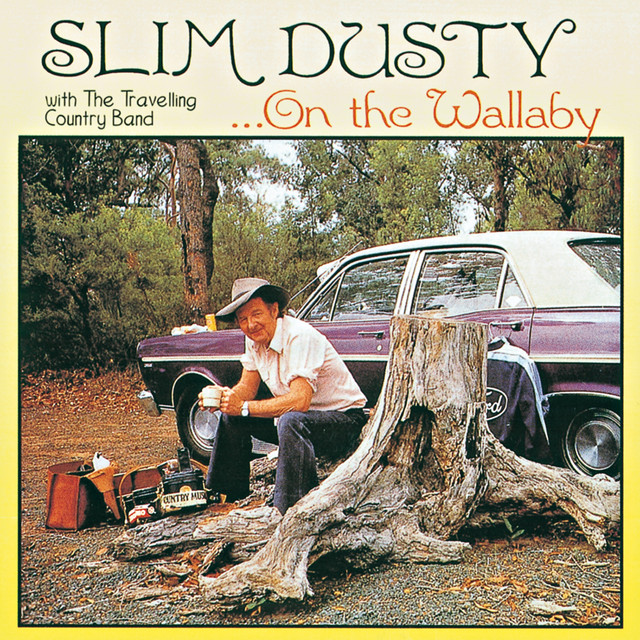
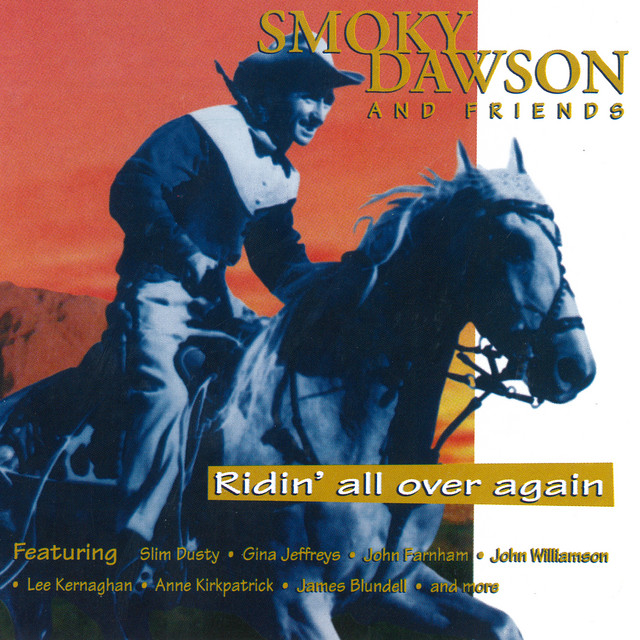
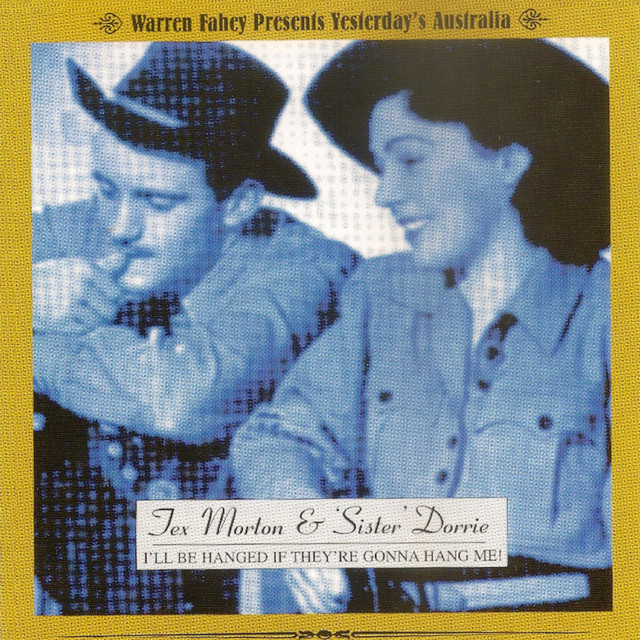
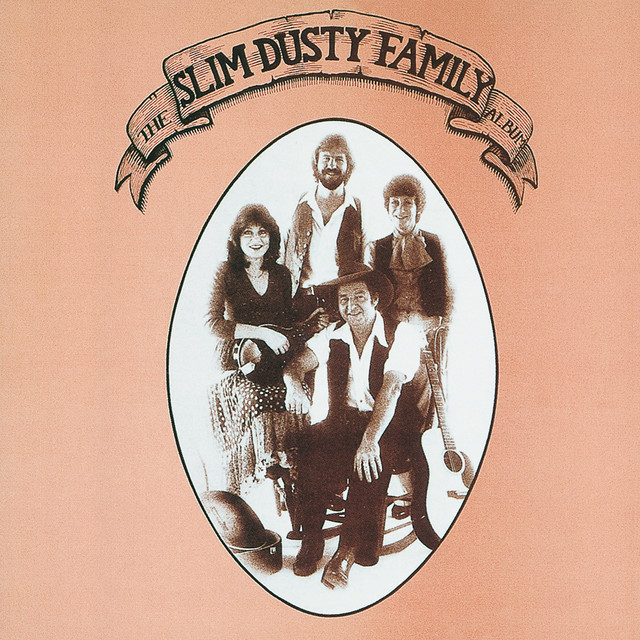
Two names loom large in the classic canon. Slim Dusty became something of a national institution, mining the everyday Australian experience for songs that sounded like the open road. His version of A Pub with No Beer (1957) became a cultural touchstone and helped put the Australian country voice on the world map. His wife, Joy McKean, was a formidable collaborator and performer in her own right, shaping a through-line for generations of audience members. Tex Morton, another early icon, helped establish the arc of a touring, story-forward country persona, one that subsequent artists would follow. These figures are not merely performers; they are ambassadors of a way of seeing Australia—its outback sun, its barroom humor, its stubborn endurance.
The Tamworth festival, launched in 1973, crystallized the scene. Today Tamworth is widely recognized as the spiritual home of Australian country, a city that every year becomes a hub for performers, songwriters, and fans. The festival’s growth mirrors the genre’s broader trajectory: a music rooted in place that traveled beyond its paddocks and pubs to reach national stages and, eventually, international ears. Alongside Slim Dusty and Tex Morton, artists such as John Williamson have carried the tradition forward, offering a bridge to newer listeners while preserving the language of the classic era—the plainspoken, narrative-driven songs that memorialize country life with warmth and humor.
In terms of sound, classic Australian country favors acoustic guitars, fiddle, harmonica, and sometimes lap steel; harmonies are often tight, and the lyric is king. The cultural footprint is most pronounced in Australia and New Zealand, with pockets of interest in the United Kingdom, the United States, and Europe among connoisseurs of world and roots music. For enthusiasts, the genre offers a durable archive of tales—outback legends, drought-era sagas, and the enduring myth of the Australian bloke or shearer—that continues to inspire and connect listeners who value authenticity, vivid storytelling, and a music that sounds like home.
Born from crosscurrents in the late 19th and early 20th centuries, classic Australian country drew on two main wells: the old bush ballads that Banjo Paterson and Henry Lawson helped codify, and the arrival of American country and Western songs filtered through Australian radio, vaudeville stages, and regional talent shows. By the postwar era, rural radio programs and Australian talent competitions nurtured a distinctly local voice. The genre matured through a generation of homegrown stars who sang about droughts, possums and paddocks, but also about mateship, resilience, and a stubborn pride in a nation defined by its land.
Two names loom large in the classic canon. Slim Dusty became something of a national institution, mining the everyday Australian experience for songs that sounded like the open road. His version of A Pub with No Beer (1957) became a cultural touchstone and helped put the Australian country voice on the world map. His wife, Joy McKean, was a formidable collaborator and performer in her own right, shaping a through-line for generations of audience members. Tex Morton, another early icon, helped establish the arc of a touring, story-forward country persona, one that subsequent artists would follow. These figures are not merely performers; they are ambassadors of a way of seeing Australia—its outback sun, its barroom humor, its stubborn endurance.
The Tamworth festival, launched in 1973, crystallized the scene. Today Tamworth is widely recognized as the spiritual home of Australian country, a city that every year becomes a hub for performers, songwriters, and fans. The festival’s growth mirrors the genre’s broader trajectory: a music rooted in place that traveled beyond its paddocks and pubs to reach national stages and, eventually, international ears. Alongside Slim Dusty and Tex Morton, artists such as John Williamson have carried the tradition forward, offering a bridge to newer listeners while preserving the language of the classic era—the plainspoken, narrative-driven songs that memorialize country life with warmth and humor.
In terms of sound, classic Australian country favors acoustic guitars, fiddle, harmonica, and sometimes lap steel; harmonies are often tight, and the lyric is king. The cultural footprint is most pronounced in Australia and New Zealand, with pockets of interest in the United Kingdom, the United States, and Europe among connoisseurs of world and roots music. For enthusiasts, the genre offers a durable archive of tales—outback legends, drought-era sagas, and the enduring myth of the Australian bloke or shearer—that continues to inspire and connect listeners who value authenticity, vivid storytelling, and a music that sounds like home.