Genre
classic bulgarian pop
Top Classic bulgarian pop Artists
Showing 25 of 42 artists












About Classic bulgarian pop
Classic Bulgarian pop is the enduring melodic strand of Bulgarian popular music that grew from the 1960s and remained central through the 1980s. It is not chalga, but a polished synthesis that married Western pop structures with Bulgarian vocal tradition and rich orchestration. Songs were built around memorable melodies, clear storytelling lyrics, and arrangements featuring strings, brass, and accordion that could carry intimate ballads as well as sweeping choruses. The sound reflected Bulgaria’s mid-century cultural climate, when national media curated a confident, accessible pop repertoire.
Born in a period of Soviet-influenced modernization, classic Bulgarian pop emerged from studio projects in Sofia, Plovdiv, and Varna, backed by state radio and television orchestras. It drew on overseas pop trends of the late 1950s and 1960s—beat, easy listening, and sophisticated balladry—yet kept the language rooted in Bulgarian lyric poetry. The genre favored professional vocalists who could deliver warmth, precision, and a hint of theater; composers and arrangers experimented with modal melodies and folk color, weaving traditional Bulgarian color into contemporary hooks. In many cases the result was cross-genre elegance: tunes heard on prime-time TV and in dancehalls alike.
During the 1960s through the 1980s classic Bulgarian pop enjoyed a national platform. Festivals like Golden Orpheus in Burgas and televised specials helped launch and sustain star careers. The music stood as Bulgaria’s popular passport, circulating through radio charts, concerts, and clubs. Its appeal extended beyond Sofia to neighboring Balkan countries, where audiences appreciated its diction and polished arrangements. Though Western influences were controlled, the genre assimilated international pop vocabulary while preserving a distinct Bulgarian identity.
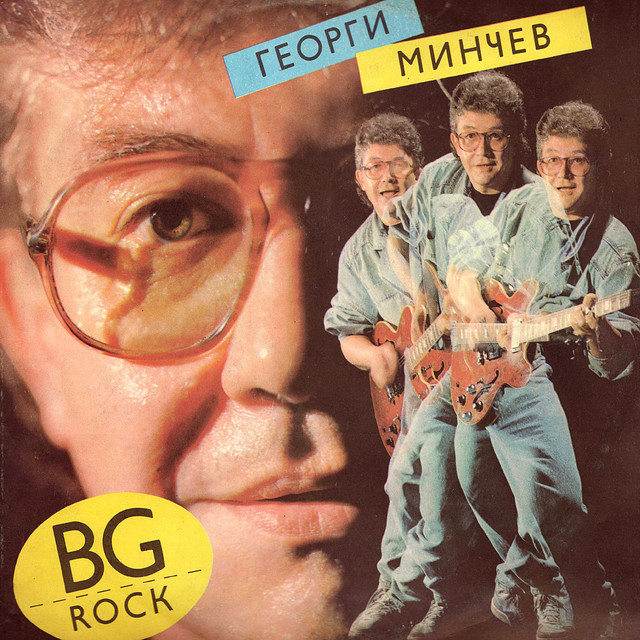
Among the era’s emblematic voices are Lili Ivanova, whose long-running repertoire reframed Bulgarian pop balladry with a dramatic, adult-contemporary sensibility; Emil Dimitrov, known for his suave croon and evergreen love songs; and Georgi Minchev, whose charisma helped define the swaggering, optimistic side of the sound. Other celebrated performers and composers contributed enduring standards that defined a generation, from lyrical duets to robust solo pieces. Their ambassadors often performed across Bulgaria’s borders, building a shared, patriotic sound that listeners could recognize in a single line or phrase.
Outside Bulgaria, classic Bulgarian pop found sympathetic audiences in the wider Balkans and among diaspora communities in Turkey, Greece, Romania, and among Bulgarian expatriates in Western Europe and North America. Its international life came through concerts, collaborations with guest orchestras, and the occasional radio feature from Sofia’s stations beaming into neighboring countries. The genre’s international footprint, though smaller than Western pop phenomena, left a durable impression on how Bulgarian popular music could sound both modern and distinctly local.
Today, classic Bulgarian pop is studied by enthusiasts and revived in retrospective compilations, reissues, and live programs that remind listeners of a pre-1989 pop culture that valued craftsmanship and melodic devotion. For fans, it offers a map of Bulgaria’s social moods: the romance of city nights, the pride of national voice, and the shared memory of a generation that built a populist yet artful music language from the ground up. Its legacy remains a dialogue.
Born in a period of Soviet-influenced modernization, classic Bulgarian pop emerged from studio projects in Sofia, Plovdiv, and Varna, backed by state radio and television orchestras. It drew on overseas pop trends of the late 1950s and 1960s—beat, easy listening, and sophisticated balladry—yet kept the language rooted in Bulgarian lyric poetry. The genre favored professional vocalists who could deliver warmth, precision, and a hint of theater; composers and arrangers experimented with modal melodies and folk color, weaving traditional Bulgarian color into contemporary hooks. In many cases the result was cross-genre elegance: tunes heard on prime-time TV and in dancehalls alike.
During the 1960s through the 1980s classic Bulgarian pop enjoyed a national platform. Festivals like Golden Orpheus in Burgas and televised specials helped launch and sustain star careers. The music stood as Bulgaria’s popular passport, circulating through radio charts, concerts, and clubs. Its appeal extended beyond Sofia to neighboring Balkan countries, where audiences appreciated its diction and polished arrangements. Though Western influences were controlled, the genre assimilated international pop vocabulary while preserving a distinct Bulgarian identity.
Among the era’s emblematic voices are Lili Ivanova, whose long-running repertoire reframed Bulgarian pop balladry with a dramatic, adult-contemporary sensibility; Emil Dimitrov, known for his suave croon and evergreen love songs; and Georgi Minchev, whose charisma helped define the swaggering, optimistic side of the sound. Other celebrated performers and composers contributed enduring standards that defined a generation, from lyrical duets to robust solo pieces. Their ambassadors often performed across Bulgaria’s borders, building a shared, patriotic sound that listeners could recognize in a single line or phrase.
Outside Bulgaria, classic Bulgarian pop found sympathetic audiences in the wider Balkans and among diaspora communities in Turkey, Greece, Romania, and among Bulgarian expatriates in Western Europe and North America. Its international life came through concerts, collaborations with guest orchestras, and the occasional radio feature from Sofia’s stations beaming into neighboring countries. The genre’s international footprint, though smaller than Western pop phenomena, left a durable impression on how Bulgarian popular music could sound both modern and distinctly local.
Today, classic Bulgarian pop is studied by enthusiasts and revived in retrospective compilations, reissues, and live programs that remind listeners of a pre-1989 pop culture that valued craftsmanship and melodic devotion. For fans, it offers a map of Bulgaria’s social moods: the romance of city nights, the pride of national voice, and the shared memory of a generation that built a populist yet artful music language from the ground up. Its legacy remains a dialogue.