Genre
classic danish pop
Top Classic danish pop Artists
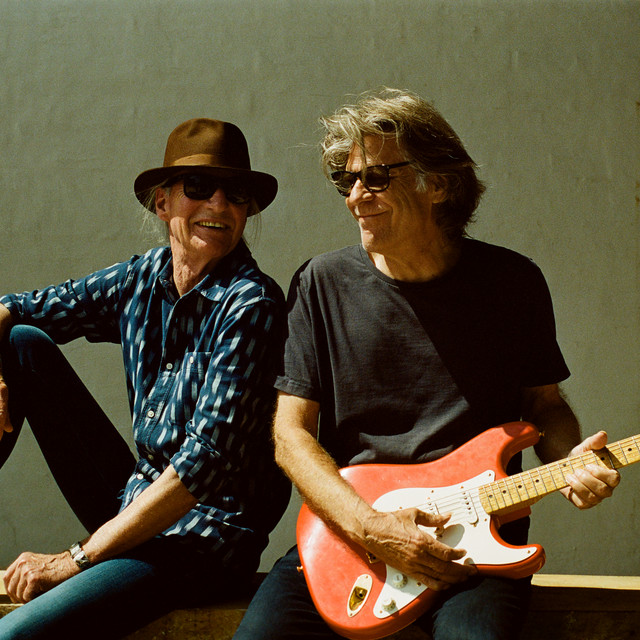
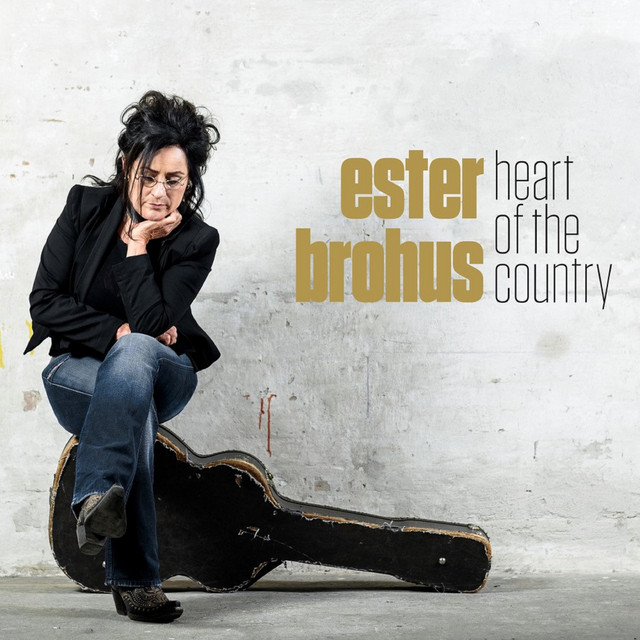
Showing 2 of 2 artists
About Classic danish pop
Classic Danish pop is the warmly melodic, lyric-forward strand of Denmark's pop music history, the sound that wove itself into the lives of generations of Danes. It crystallized in the 1960s and matured through the 1970s and 1980s, a period when Danish-language songs began to rival English-language covers on national radio and television, giving rise to a distinctly Danish form of pop that could be both intimate and anthemic.
Origins: After World War II, Danish popular music gradually shifted toward Danish lyrics and local storytelling. The late 1950s and early 1960s saw Danish beat and early pop acts writing in Danish, building a domestic audience for homegrown records. In the 1970s a constellation of bands and singer-songwriters defined a sound that was accessible, melodic, and often charmingly wry. The emergence of Gasolin' as a flagship pop/rock act, the playful wit of Shu-Bi-Dua, the social and lyrical reach of Anne Linnet, and the blend of pop, rock, and folk from Gnags helped anchor the scene in the public imagination.
Ambassadors and key figures: Gasolin' — the prototypical Danish pop/rock powerhouse of the era, fronted by Kim Larsen, whose songs became national touchstones. Shu-Bi-Dua — a humor-inflected, highly readable drive of catchy tunes that helped put Danish to the forefront of mainstream appeal. Gnags — a long-running force blending pop, rock and folk with anthemic, crowd-pleasing energy. Anne Linnet — a defining voice and songwriter for Danish pop in the late 1970s onward, expanding subject matter and musical sophistication. TV-2 — one of the era's most consistent chart performers into the early 1990s and beyond, signaling a more polished, radio-friendly Danish pop sound. These artists became ambassadors not only through hits but through live performances, television appearances, and enduring songs that remain part of Danish cultural memory.
Sound and themes: Classic Danish pop typically centers strong, memorable melodies, solid songcraft, and Danish-language lyrics that often celebrate everyday life, love, and social observation. Arrangements grew from intimate piano-and-guitar vignettes to fuller, studio-rich productions with brass, synths, and layered harmonies, yet they retained a clarity and sing-along chorus that invites participation.
Geography and legacy: The music is most deeply rooted in Denmark and among Danish-speaking communities abroad, with a shoulder-to-shoulder presence in the broader Nordic scene. International reach has always been gentle—the songs are cherished by enthusiasts and collectors in neighboring countries and occasionally found favor on European radio or in specialized festivals. The classic Danish pop era laid the groundwork for later Danish-language acts by proving that pop could be both commercially successful and culturally resonant in the Danish tongue. For music enthusiasts, it remains a touchstone—an era of craft, character, and contagious choruses that defined a nation’s pop voice.
Beyond nostalgia, the legacy still informs contemporary Danish pop: writers mine the same hooks, producers reissue vintage albums, and festival lineups often feature anniversary shows and retrospective sets. For a fan, collecting original vinyls or exploring deep cuts—like B-sides or soundtrack appearances—reveals the craft, humor, and resilience of a scene that kept Danish music confidently homegrown while remaining open to world pop.
Origins: After World War II, Danish popular music gradually shifted toward Danish lyrics and local storytelling. The late 1950s and early 1960s saw Danish beat and early pop acts writing in Danish, building a domestic audience for homegrown records. In the 1970s a constellation of bands and singer-songwriters defined a sound that was accessible, melodic, and often charmingly wry. The emergence of Gasolin' as a flagship pop/rock act, the playful wit of Shu-Bi-Dua, the social and lyrical reach of Anne Linnet, and the blend of pop, rock, and folk from Gnags helped anchor the scene in the public imagination.
Ambassadors and key figures: Gasolin' — the prototypical Danish pop/rock powerhouse of the era, fronted by Kim Larsen, whose songs became national touchstones. Shu-Bi-Dua — a humor-inflected, highly readable drive of catchy tunes that helped put Danish to the forefront of mainstream appeal. Gnags — a long-running force blending pop, rock and folk with anthemic, crowd-pleasing energy. Anne Linnet — a defining voice and songwriter for Danish pop in the late 1970s onward, expanding subject matter and musical sophistication. TV-2 — one of the era's most consistent chart performers into the early 1990s and beyond, signaling a more polished, radio-friendly Danish pop sound. These artists became ambassadors not only through hits but through live performances, television appearances, and enduring songs that remain part of Danish cultural memory.
Sound and themes: Classic Danish pop typically centers strong, memorable melodies, solid songcraft, and Danish-language lyrics that often celebrate everyday life, love, and social observation. Arrangements grew from intimate piano-and-guitar vignettes to fuller, studio-rich productions with brass, synths, and layered harmonies, yet they retained a clarity and sing-along chorus that invites participation.
Geography and legacy: The music is most deeply rooted in Denmark and among Danish-speaking communities abroad, with a shoulder-to-shoulder presence in the broader Nordic scene. International reach has always been gentle—the songs are cherished by enthusiasts and collectors in neighboring countries and occasionally found favor on European radio or in specialized festivals. The classic Danish pop era laid the groundwork for later Danish-language acts by proving that pop could be both commercially successful and culturally resonant in the Danish tongue. For music enthusiasts, it remains a touchstone—an era of craft, character, and contagious choruses that defined a nation’s pop voice.
Beyond nostalgia, the legacy still informs contemporary Danish pop: writers mine the same hooks, producers reissue vintage albums, and festival lineups often feature anniversary shows and retrospective sets. For a fan, collecting original vinyls or exploring deep cuts—like B-sides or soundtrack appearances—reveals the craft, humor, and resilience of a scene that kept Danish music confidently homegrown while remaining open to world pop.