Genre
classic hungarian pop
Top Classic hungarian pop Artists
Showing 25 of 48 artists







About Classic hungarian pop
Classic Hungarian pop is a melodic, accessible strand of Central European pop music that flourished from the late 1950s through the 1980s, before evolving into newer forms in the ensuing decades. It is the sound of bustling clubs, radio staples, and television music programs, built on catchy hooks, warm orchestral textures, and lyrics in Hungarian that range from tender ballads to upbeat streetwise anthems. Its appeal lies in the way it blended Western pop and light rock with a distinctly Hungarian sensibility, producing songs that could be sung in intimate rooms or stadiums with equal ease.
The genre’s birth is tied to Hungary’s postwar cultural scene and the rise of state-supported music outlets that still allowed a surprising diversity of expression. In the 1960s, as Western pop and folk-inflected rock flowed into the country, Hungarian pop began to take shape around popular song festivals, radio play, and record labels such as Hungaroton. A central institution in shaping what people heard was the national “táncdalfesztivál” (dance-song festival) circuit, which functioned much like a domestic Eurovision and created a steady stream of polished, radio-friendly tunes. The result was a canon of songs and performers who became household names not only in Hungary but across the region.
Musically, classic Hungarian pop is characterized by strong melodies, memorable choruses, and arrangements that often feature strings, brass, and lush keyboard textures. The vibe ranges from earnest, lyric-driven pop-ballads to peppy, danceable tunes—songs designed for radio, television performances, and lively concert rooms. The genre also carried a sense of storytelling and social observation, with lyrics that spoke to everyday life, romance, and sometimes longing or humor, all delivered with a distinctly Hungarian inflection.
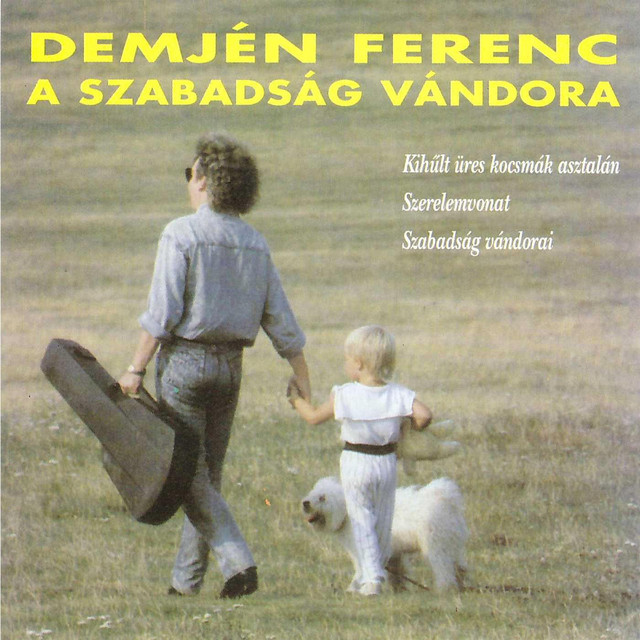
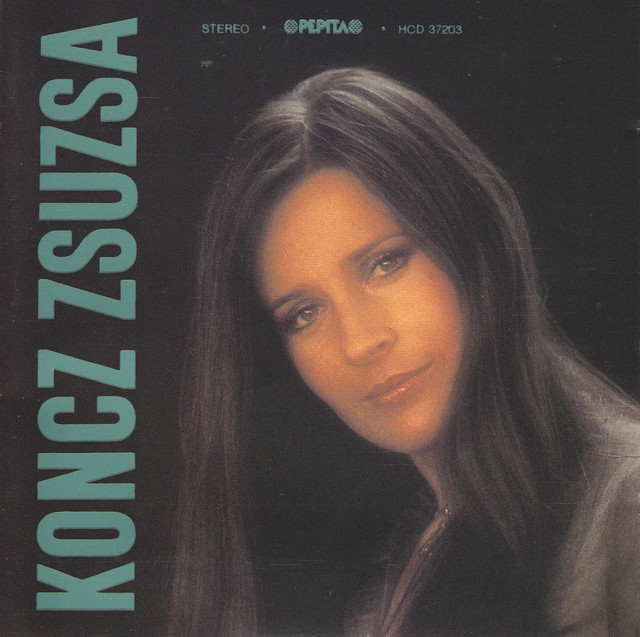
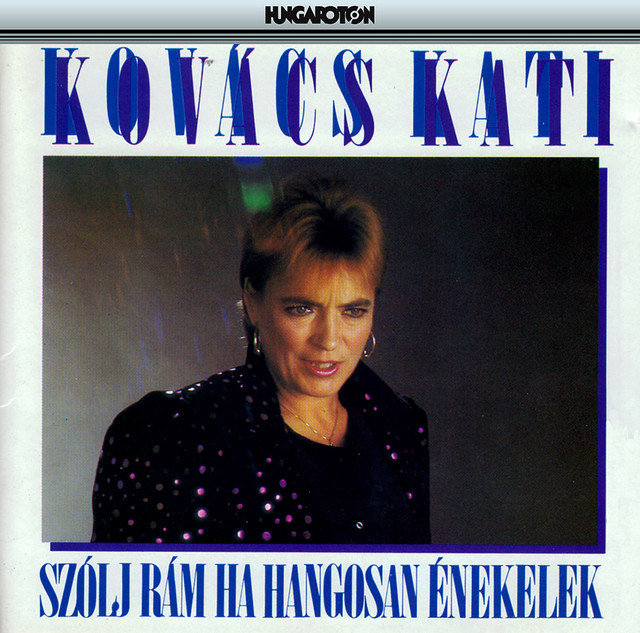
Among the genre’s most enduring ambassadors are the bands Illés and Omega. Illés helped define the domestic pop-rock sound of the 1960s and 70s, melding accessible pop with rock energy and poetic Hungarian lyrics. Omega achieved international notoriety, especially with the 1969 classic Gyöngyhajú Lány (The Girl with the Pearl Hair), a haunting, cinematic song that later found new life through covers and global listeners, making Omega perhaps the most recognizable Hungarian act beyond Hungary’s borders. Female icons such as Kati Kovács and Zsuzsa Koncz became synonymous with polished, radio-ready pop vocalism, while male singer-songwriters like Ferenc Demjén and Zorán added a more contemporary touch to late-70s and early-80s pop-rock.
Classic Hungarian pop found fertile ground beyond Hungary’s borders, thriving in neighboring countries with Hungarian-speaking communities—Transylvania in Romania, parts of Slovakia and Serbia (Vojvodina), and across the Central European diaspora. Its international presence was bolstered by recordings that circulated in East and Central Europe and by cross-border tours and radio plays. In Western Europe and among global collectors of cult pop, certain evergreen tracks—especially Omega’s hits—also contributed to a lingering fascination with the era.
Today, the genre is treasured by enthusiasts as a snapshot of a distinct creative moment: well-crafted pop songs that balanced commercial appeal with a characteristic Hungarian lyricism and melodic warmth. Classic Hungarian pop remains a gateway to understanding how a music culture can negotiate aspiration, constraint, and charm within a shared European footprint.
The genre’s birth is tied to Hungary’s postwar cultural scene and the rise of state-supported music outlets that still allowed a surprising diversity of expression. In the 1960s, as Western pop and folk-inflected rock flowed into the country, Hungarian pop began to take shape around popular song festivals, radio play, and record labels such as Hungaroton. A central institution in shaping what people heard was the national “táncdalfesztivál” (dance-song festival) circuit, which functioned much like a domestic Eurovision and created a steady stream of polished, radio-friendly tunes. The result was a canon of songs and performers who became household names not only in Hungary but across the region.
Musically, classic Hungarian pop is characterized by strong melodies, memorable choruses, and arrangements that often feature strings, brass, and lush keyboard textures. The vibe ranges from earnest, lyric-driven pop-ballads to peppy, danceable tunes—songs designed for radio, television performances, and lively concert rooms. The genre also carried a sense of storytelling and social observation, with lyrics that spoke to everyday life, romance, and sometimes longing or humor, all delivered with a distinctly Hungarian inflection.
Among the genre’s most enduring ambassadors are the bands Illés and Omega. Illés helped define the domestic pop-rock sound of the 1960s and 70s, melding accessible pop with rock energy and poetic Hungarian lyrics. Omega achieved international notoriety, especially with the 1969 classic Gyöngyhajú Lány (The Girl with the Pearl Hair), a haunting, cinematic song that later found new life through covers and global listeners, making Omega perhaps the most recognizable Hungarian act beyond Hungary’s borders. Female icons such as Kati Kovács and Zsuzsa Koncz became synonymous with polished, radio-ready pop vocalism, while male singer-songwriters like Ferenc Demjén and Zorán added a more contemporary touch to late-70s and early-80s pop-rock.
Classic Hungarian pop found fertile ground beyond Hungary’s borders, thriving in neighboring countries with Hungarian-speaking communities—Transylvania in Romania, parts of Slovakia and Serbia (Vojvodina), and across the Central European diaspora. Its international presence was bolstered by recordings that circulated in East and Central Europe and by cross-border tours and radio plays. In Western Europe and among global collectors of cult pop, certain evergreen tracks—especially Omega’s hits—also contributed to a lingering fascination with the era.
Today, the genre is treasured by enthusiasts as a snapshot of a distinct creative moment: well-crafted pop songs that balanced commercial appeal with a characteristic Hungarian lyricism and melodic warmth. Classic Hungarian pop remains a gateway to understanding how a music culture can negotiate aspiration, constraint, and charm within a shared European footprint.