Genre
classic hungarian rock
Top Classic hungarian rock Artists
Showing 15 of 15 artists







About Classic hungarian rock
Classic Hungarian rock is the storied heartbeat of Hungary’s pop and underground scenes from roughly the mid-1960s to the late 1980s. It’s a vein of music that married Western rock’s energy with Magyar lyricism, creating a distinctly local yet widely resonant sound. In sound, it blends guitar-driven riffs, melodic hooks, and memorable choruses with thoughtful, often poetical Hungarian lyrics. In mood, it ranges from rousing anthems to intimate ballads, all carried by a sense of city-night vitality and a longing for bigger horizons.
Historically, the genre grows out of Hungary’s “beat” and early rock culture, flourishing as access to Western records widened and censorship allowed more musical experimentation. The late 1960s became a turning point: bands began writing in Hungarian, crafting arrangements that could stand beside British Invasion and American rock while speaking directly to Hungarian audiences. The scene matured through the 1970s and 1980s, producing an enduring catalog of albums and live performances that became touchstones for generations of listeners.
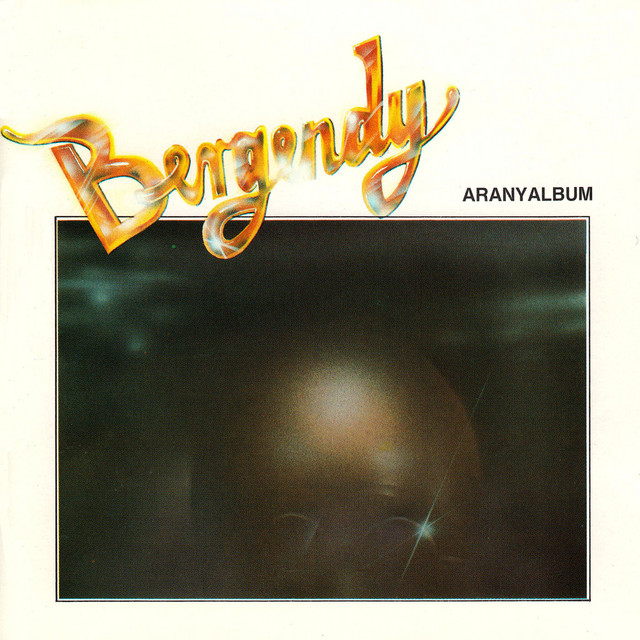
Key ambassadors of classic Hungarian rock include several bands whose influence still rings with fans today. Omega stands out as one of the country’s most internationally recognized acts, famous for the sweeping guitar lines and the haunting ballad Gyöngyhajú Lány (The Girl with the Golden Hair) from 1969. The song’s enduring melody helped bring attention to Hungarian rock outside the country’s borders. Locomotiv GT (LGT), led by pianist-composer Gábor Presser, pushed the limits with sophisticated, jazzy-inflected rock and became a benchmark for musicianship and live prowess. Illés, often cited as a foundational pillar of the Hungarian rock story, helped define a generation’s sound and poetic sensibility in the 1960s and 1970s. Beatrice brought a theatrical, emotionally charged edge to the scene, while P. Mobil introduced heavier, more hard-rocked tendencies that appealed to the louder-spirited crowds. Bergendy contributed memorable melodies and a cinematic polish, bridging pop sensibilities with more ambitious arrangements.
In which countries is classic Hungarian rock most popular? Primarily in Hungary, where the language and cultural context give these songs their full ecological resonance. The Hungarian-speaking diaspora and minority communities in neighboring countries—such as Romania (Transylvania), Slovakia, and parts of Austria and Germany—also kept older records alive and shared them with new listeners. Over the decades, fans across Europe and North America—whether expats, students, or music enthusiasts—have sought out reissues and online archives, keeping the classic era accessible to a global audience.
Today, listening to classic Hungarian rock feels like stepping into a musical archive where the past and present meet: the lyrical wit, the craft of arrangement, and the sense of belonging to a shared cultural moment. It’s not just nostalgia; it’s a durable, creative testament to how a nation’s ears, words, and guitars can collaborate to produce a sound with both heart and reach.
Historically, the genre grows out of Hungary’s “beat” and early rock culture, flourishing as access to Western records widened and censorship allowed more musical experimentation. The late 1960s became a turning point: bands began writing in Hungarian, crafting arrangements that could stand beside British Invasion and American rock while speaking directly to Hungarian audiences. The scene matured through the 1970s and 1980s, producing an enduring catalog of albums and live performances that became touchstones for generations of listeners.
Key ambassadors of classic Hungarian rock include several bands whose influence still rings with fans today. Omega stands out as one of the country’s most internationally recognized acts, famous for the sweeping guitar lines and the haunting ballad Gyöngyhajú Lány (The Girl with the Golden Hair) from 1969. The song’s enduring melody helped bring attention to Hungarian rock outside the country’s borders. Locomotiv GT (LGT), led by pianist-composer Gábor Presser, pushed the limits with sophisticated, jazzy-inflected rock and became a benchmark for musicianship and live prowess. Illés, often cited as a foundational pillar of the Hungarian rock story, helped define a generation’s sound and poetic sensibility in the 1960s and 1970s. Beatrice brought a theatrical, emotionally charged edge to the scene, while P. Mobil introduced heavier, more hard-rocked tendencies that appealed to the louder-spirited crowds. Bergendy contributed memorable melodies and a cinematic polish, bridging pop sensibilities with more ambitious arrangements.
In which countries is classic Hungarian rock most popular? Primarily in Hungary, where the language and cultural context give these songs their full ecological resonance. The Hungarian-speaking diaspora and minority communities in neighboring countries—such as Romania (Transylvania), Slovakia, and parts of Austria and Germany—also kept older records alive and shared them with new listeners. Over the decades, fans across Europe and North America—whether expats, students, or music enthusiasts—have sought out reissues and online archives, keeping the classic era accessible to a global audience.
Today, listening to classic Hungarian rock feels like stepping into a musical archive where the past and present meet: the lyrical wit, the craft of arrangement, and the sense of belonging to a shared cultural moment. It’s not just nostalgia; it’s a durable, creative testament to how a nation’s ears, words, and guitars can collaborate to produce a sound with both heart and reach.