Genre
classic italian pop
Top Classic italian pop Artists
Showing 25 of 33 artists








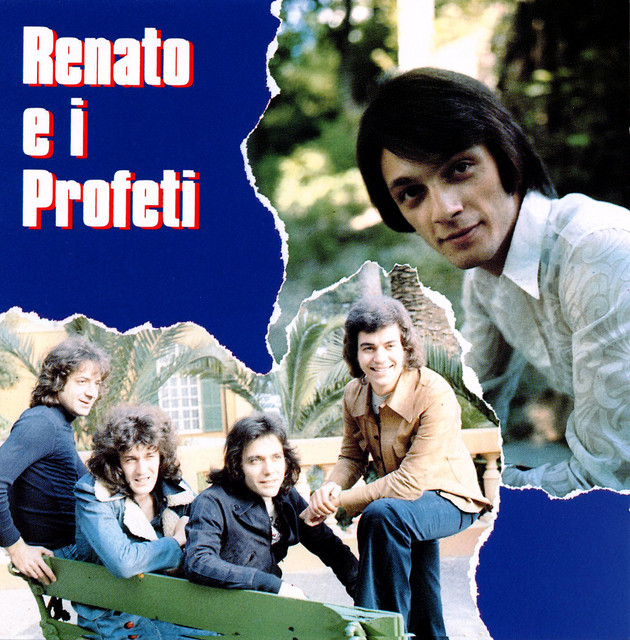
About Classic italian pop
Classic Italian pop is a refined, melodic thread running through the Italian songbook, crystallizing in the late 1950s and flowering through the 1960s, 70s, and early 80s. It sits at a crossroads between the chanson tradition that fed Italy’s postwar cultural identity and the growing international appetite for accessible, radio-friendly pop. Its essence is lyrical storytelling delivered with memorable tunes, lush arrangements, and a distinctly Italian sense of mood—romantic, introspective, sometimes wry, always melodic.
Origins and evolution
The genre grows out of canzone italiana, but the Sanremo Music Festival—founded in 1951 and becoming the country’s cultural thermometer—made it a national habit. Modugno’s Nel blu dipinto di blu (Volare) in 1958 helped redefine Italian pop for a broad audience: a soaring melody, Italian phrasing, and a confidence that pop songs could carry both charm and ambition. In the 1960s, this template diversified: strings, piano, and tasteful guitars supported a repertoire of intimate love songs, streetwise ballads, and uplifting choruses. The sound matured under the stewardship of master songwriters and incisive interpreters who could translate personal storytelling into universal appeal.
Sound and themes
Classic Italian pop favors strong melodic arcs, expressive vocal lines, and spesso poetic or cinematic lyrics. Arrangements often lean toward polished orchestration, with lush strings, warm keyboards, and precise rhythm sections, yet never overwhelm the lyric’s emotional core. Themes range from clandestine romance and longing to everyday wonder and social observation. The genre’s flexibility allowed it to ride the winds of change—rock influences, then disco-tinged rhythms in the late 70s—while keeping a distinctly Italian sensibility: a voice that can sound intimate in a small room and expansive on a festival stage.
Key artists and ambassadors
- Mina: the era’s quintessential diva, whose fearless phrasing and prolific output defined a standard of pop vocalism from the 1960s onward.
- Lucio Battisti and Mogol: a songwriting powerhouse whose collaborations produced some of the most durable pop melodies and emotionally sophisticated lyrics of the era.
- Adriano Celentano: an electrifying frontman whose charismatic delivery fused pop with rock and theatricality.
- Patty Pravo, Gino Paoli, and Luigi Tenco: voices of emotional nuance, pushing pop toward more literate, personal storytelling.
- Lucio Dalla and Toto Cutugno: late-70s into the 80s, they helped chart a course for Italian pop’s more expansive, international outlook, with songs that could still feel quintessentially Italian.
Popular reach
In Italy, classic Italian pop remained the cultural heartbeat for decades. Abroad, it found sympathetic audiences in countries with Italian-speaking communities and strong European musical ties—Switzerland, Germany, and the Netherlands among them—plus vibrant diaspora scenes in Argentina and Brazil where Italian heritage intersected with Latin musical sensibilities. The songs traveled through translations and cover versions, festivals, and radio play, contributing to a global sense of Italy as a pop music powerhouse.
Legacy
Today, classic Italian pop endures as a reference point for songcraft that honors melody, lyric craft, and expressive performance. It remains a favorite for enthusiasts who seek music with refined elegance, memorable choruses, and a distinctly Italian emotional compass—songs that feel intimate yet universal, timeless yet very much of their moment.
Origins and evolution
The genre grows out of canzone italiana, but the Sanremo Music Festival—founded in 1951 and becoming the country’s cultural thermometer—made it a national habit. Modugno’s Nel blu dipinto di blu (Volare) in 1958 helped redefine Italian pop for a broad audience: a soaring melody, Italian phrasing, and a confidence that pop songs could carry both charm and ambition. In the 1960s, this template diversified: strings, piano, and tasteful guitars supported a repertoire of intimate love songs, streetwise ballads, and uplifting choruses. The sound matured under the stewardship of master songwriters and incisive interpreters who could translate personal storytelling into universal appeal.
Sound and themes
Classic Italian pop favors strong melodic arcs, expressive vocal lines, and spesso poetic or cinematic lyrics. Arrangements often lean toward polished orchestration, with lush strings, warm keyboards, and precise rhythm sections, yet never overwhelm the lyric’s emotional core. Themes range from clandestine romance and longing to everyday wonder and social observation. The genre’s flexibility allowed it to ride the winds of change—rock influences, then disco-tinged rhythms in the late 70s—while keeping a distinctly Italian sensibility: a voice that can sound intimate in a small room and expansive on a festival stage.
Key artists and ambassadors
- Mina: the era’s quintessential diva, whose fearless phrasing and prolific output defined a standard of pop vocalism from the 1960s onward.
- Lucio Battisti and Mogol: a songwriting powerhouse whose collaborations produced some of the most durable pop melodies and emotionally sophisticated lyrics of the era.
- Adriano Celentano: an electrifying frontman whose charismatic delivery fused pop with rock and theatricality.
- Patty Pravo, Gino Paoli, and Luigi Tenco: voices of emotional nuance, pushing pop toward more literate, personal storytelling.
- Lucio Dalla and Toto Cutugno: late-70s into the 80s, they helped chart a course for Italian pop’s more expansive, international outlook, with songs that could still feel quintessentially Italian.
Popular reach
In Italy, classic Italian pop remained the cultural heartbeat for decades. Abroad, it found sympathetic audiences in countries with Italian-speaking communities and strong European musical ties—Switzerland, Germany, and the Netherlands among them—plus vibrant diaspora scenes in Argentina and Brazil where Italian heritage intersected with Latin musical sensibilities. The songs traveled through translations and cover versions, festivals, and radio play, contributing to a global sense of Italy as a pop music powerhouse.
Legacy
Today, classic Italian pop endures as a reference point for songcraft that honors melody, lyric craft, and expressive performance. It remains a favorite for enthusiasts who seek music with refined elegance, memorable choruses, and a distinctly Italian emotional compass—songs that feel intimate yet universal, timeless yet very much of their moment.