Genre
classic j-pop
Top Classic j-pop Artists
Showing 4 of 4 artists

2
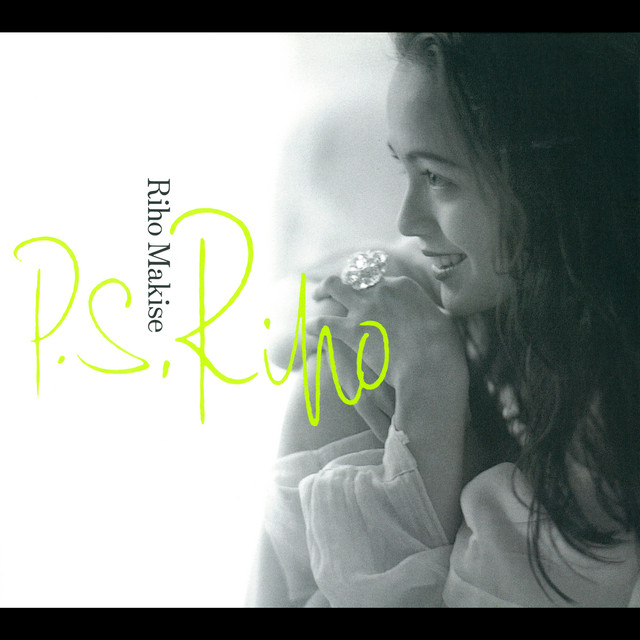
牧瀬里穂
837
3,175 listeners
About Classic j-pop
Classic J-pop is the polished, melodic heart of Japanese popular music that rose to prominence in the late 1980s and matured through the 1990s and early 2000s. It emerged from the broader shift away from traditional kayōkyoku toward a contemporary, radio-ready sound crafted for mass appeal, global radio play, and the burgeoning CD market. Producers blended bright synth textures, soaring vocal hooks, and carefully choreographed presentation into an art form that could be both intimate and anthem-like. The era’s aesthetics were inseparable from Japan’s idol system: young stars were groomed, image and sound were tightly packaged, and fans participated as devoted communities around concerts, magazines, and fan clubs.
Two threads define classic J-pop. The first is the sophisticated, urban ballad and up-tempo pop carried by solo singers who combined pop sensibilities with R&B, dance, or city-pop influences. Think of Namie Amuro and her late-1990s crossover hits, or Utada Hikaru’s sleek, multilingual productions that redefined accessibility. The second thread is the idol group phenomenon: multi-member formations, choreographed performances, and an ongoing cycle of debut, evolution, and perpetual reinvention. Morning Musume, SMAP, and later groups like Arashi became institutions, their songs feeding a culture of branding, fan events, and televised music shows that amplified nationwide reach.
Historically, classic J-pop sits on a bridge between the glossy, late-80s city-pop predecessors and the globalized, streaming-era pop that followed. City-pop forebears such as Tatsuro Yamashita and Mariya Takeuchi laid down the template of glossy production, urban romance, and sun-drenched sophistication, which modern J-pop revisited with updated synths and digital polish. When New Wave of Japanese pop took shape, international fans discovered a music that could be as intimate as a love ballad and as infectious as a chorus you could sing along to in a stadium.
Key ambassadors include Namie Amuro, whose fusion of hip-hop, pop, and fashion-forward persona redefined mainstream Japanese pop; Hikaru Utada, whose albums broke sales records abroad and helped stamp Japanese-language pop as a credible global force; Ayumi Hamasaki, who wielded control over image and sound and inspired a generation of singer-songwriters; and the boy and girl bands that captured radio and TV audiences, turning songs into cultural touchstones. In concert and in clubs across Japan, classic J-pop is inseparable from live performance energy: stages glitter with choreography, fashion statements, and a shared sense of belonging among fans.
Today’s listeners outside Japan often encounter classic J-pop through anime soundtracks, drama tie-ins, and digital playlists. Its influence remains visible in contemporary J-pop’s production choices and in the enduring appeal of well-crafted melodies and human-facing emotion. For enthusiasts, classic J-pop offers a gateway into Japan’s popular music ecosystem: the balance of accessible pop craft with the complexity of star-driven narratives, and a historical moment when Japanese pop became a global conversation.
Collectors prize rare vinyl, early CD singles, and remastered compilations that capture the era’s warmth and texture. Dialects of sentiment, city streets, and neon nights linger in the melodies. Classic J-pop invites a reverent listening—the feeling of discovery, familiarity, and shared memory.
Two threads define classic J-pop. The first is the sophisticated, urban ballad and up-tempo pop carried by solo singers who combined pop sensibilities with R&B, dance, or city-pop influences. Think of Namie Amuro and her late-1990s crossover hits, or Utada Hikaru’s sleek, multilingual productions that redefined accessibility. The second thread is the idol group phenomenon: multi-member formations, choreographed performances, and an ongoing cycle of debut, evolution, and perpetual reinvention. Morning Musume, SMAP, and later groups like Arashi became institutions, their songs feeding a culture of branding, fan events, and televised music shows that amplified nationwide reach.
Historically, classic J-pop sits on a bridge between the glossy, late-80s city-pop predecessors and the globalized, streaming-era pop that followed. City-pop forebears such as Tatsuro Yamashita and Mariya Takeuchi laid down the template of glossy production, urban romance, and sun-drenched sophistication, which modern J-pop revisited with updated synths and digital polish. When New Wave of Japanese pop took shape, international fans discovered a music that could be as intimate as a love ballad and as infectious as a chorus you could sing along to in a stadium.
Key ambassadors include Namie Amuro, whose fusion of hip-hop, pop, and fashion-forward persona redefined mainstream Japanese pop; Hikaru Utada, whose albums broke sales records abroad and helped stamp Japanese-language pop as a credible global force; Ayumi Hamasaki, who wielded control over image and sound and inspired a generation of singer-songwriters; and the boy and girl bands that captured radio and TV audiences, turning songs into cultural touchstones. In concert and in clubs across Japan, classic J-pop is inseparable from live performance energy: stages glitter with choreography, fashion statements, and a shared sense of belonging among fans.
Today’s listeners outside Japan often encounter classic J-pop through anime soundtracks, drama tie-ins, and digital playlists. Its influence remains visible in contemporary J-pop’s production choices and in the enduring appeal of well-crafted melodies and human-facing emotion. For enthusiasts, classic J-pop offers a gateway into Japan’s popular music ecosystem: the balance of accessible pop craft with the complexity of star-driven narratives, and a historical moment when Japanese pop became a global conversation.
Collectors prize rare vinyl, early CD singles, and remastered compilations that capture the era’s warmth and texture. Dialects of sentiment, city streets, and neon nights linger in the melodies. Classic J-pop invites a reverent listening—the feeling of discovery, familiarity, and shared memory.