Genre
classic k-pop
Top Classic k-pop Artists
Showing 23 of 23 artists






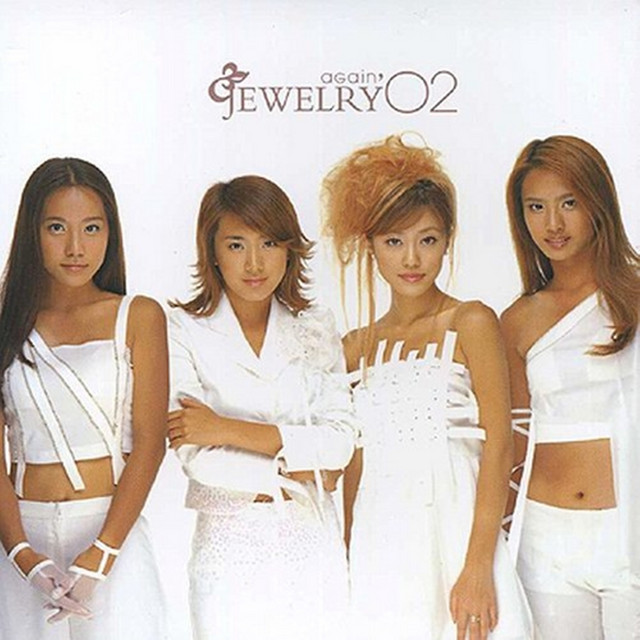
16

채정안
905
635 listeners
18
조장혁
881
10 listeners
About Classic k-pop
Classic K-pop is the early backbone of the Korean pop phenomenon—a polished, highly choreographed sound and image system that transformed local music into a global cultural force. Born out of South Korea’s rapid modernization and a government-supported push to cultivate contemporary culture in the 1990s, this era laid the template for the modern K-pop industry: glossy production, synchronized dance, packaged concepts, and a relentless emphasis on performance as a total experience.
The birth of classic K-pop is often traced to Seo Taiji and Boys, who burst onto the scene in 1992 and abruptly redefined pop in Korea by blending hip-hop, rock, techno, and traditional pop with Korean lyrics. Their boundary-pushing approach broke the mold of the then-dominant ballads and set a precedent for musically adventurous, commercially ambitious acts. Following them, first-generation idol groups crystallized the era’s sound and culture: H.O.T. and Sechs Kies sparked fan-driven rivalries and large-scale choreographies; S.E.S. helped popularize girl groups; g.o.d offered emotionally resonant singles with broad appeal; Shinhwa established a durable, multi-decade idol blueprint. These groups, backed by big entertainment companies, created the market structure—training systems, fan clubs, stylized comebacks, and media saturation—that defined classic K-pop.
Across the late 1990s and early 2000s, the genre began crossing borders. BoA became a pioneering ambassador, extracting K-pop’s appeal beyond Korea by breaking into the Japanese market and shaping a model for cross-border acts. Other second-generation acts—TVXQ, Super Junior, and later Girls’ Generation—carried the torch, expanding the fanbase throughout Asia and setting the stage for the global K-pop surge. The aesthetic of classic K-pop—bright, energetic visuals; impeccably choreographed routines; and a blend of catchy melodies with contemporary production—was as much about performance as it was about sound. The industry’s emphasis on image, branding, and multimedia storytelling created a portable product that could travel, be remixed, and reinterpreted worldwide.
Musically, classic K-pop drew on Western pop forms—dance-pop, R&B-influenced ballads, hip-hop-inflected tracks—while maintaining a distinctly Korean sensibility: emotionally direct lyrics, melodic hooks, and a gloss of aspirational storytelling. It also popularized what fans now recognize as the “idol” package: trainee-to-debut pipelines, carefully curated personalities, and a schedule that balanced music with television appearances, fashion, and fan events. This model not only produced enduring hits but also cultivated a loyal, global audience.
Today, classic K-pop remains most strongly rooted in South Korea and East Asia, with especially robust footprints in Japan, China, Taiwan, and various Southeast Asian markets like Thailand and Indonesia. In Europe and the Americas, the sound persists through seasoned fans and archival releases, live shows, and the continued influence on newer generations of artists who borrow its tempo, choreography, and production values. For enthusiasts, classic K-pop is the origin story of a worldwide movement—a genre that proved a Korean pop dream could be meticulously engineered, endlessly reinterpreted, and universally celebrated.
The birth of classic K-pop is often traced to Seo Taiji and Boys, who burst onto the scene in 1992 and abruptly redefined pop in Korea by blending hip-hop, rock, techno, and traditional pop with Korean lyrics. Their boundary-pushing approach broke the mold of the then-dominant ballads and set a precedent for musically adventurous, commercially ambitious acts. Following them, first-generation idol groups crystallized the era’s sound and culture: H.O.T. and Sechs Kies sparked fan-driven rivalries and large-scale choreographies; S.E.S. helped popularize girl groups; g.o.d offered emotionally resonant singles with broad appeal; Shinhwa established a durable, multi-decade idol blueprint. These groups, backed by big entertainment companies, created the market structure—training systems, fan clubs, stylized comebacks, and media saturation—that defined classic K-pop.
Across the late 1990s and early 2000s, the genre began crossing borders. BoA became a pioneering ambassador, extracting K-pop’s appeal beyond Korea by breaking into the Japanese market and shaping a model for cross-border acts. Other second-generation acts—TVXQ, Super Junior, and later Girls’ Generation—carried the torch, expanding the fanbase throughout Asia and setting the stage for the global K-pop surge. The aesthetic of classic K-pop—bright, energetic visuals; impeccably choreographed routines; and a blend of catchy melodies with contemporary production—was as much about performance as it was about sound. The industry’s emphasis on image, branding, and multimedia storytelling created a portable product that could travel, be remixed, and reinterpreted worldwide.
Musically, classic K-pop drew on Western pop forms—dance-pop, R&B-influenced ballads, hip-hop-inflected tracks—while maintaining a distinctly Korean sensibility: emotionally direct lyrics, melodic hooks, and a gloss of aspirational storytelling. It also popularized what fans now recognize as the “idol” package: trainee-to-debut pipelines, carefully curated personalities, and a schedule that balanced music with television appearances, fashion, and fan events. This model not only produced enduring hits but also cultivated a loyal, global audience.
Today, classic K-pop remains most strongly rooted in South Korea and East Asia, with especially robust footprints in Japan, China, Taiwan, and various Southeast Asian markets like Thailand and Indonesia. In Europe and the Americas, the sound persists through seasoned fans and archival releases, live shows, and the continued influence on newer generations of artists who borrow its tempo, choreography, and production values. For enthusiasts, classic K-pop is the origin story of a worldwide movement—a genre that proved a Korean pop dream could be meticulously engineered, endlessly reinterpreted, and universally celebrated.