Genre
classic konkani pop
Top Classic konkani pop Artists
Showing 17 of 17 artists

About Classic konkani pop
Classic Konkani pop is the early, defining wave of Konkani-language popular music, born in Goa in the 1960s and coming into full bloom through the 1970s and 1980s. It emerged when Goan musicians began blending the island’s rich folk-singing traditions with the Western pop, rock, and cinema sounds that were circulating through radios, vinyls, and cassette culture. The result was a melodic, accessible, emotionally direct style that could sit beside romance ballads, danceable numbers, and cinematic-inspired tunes, all sung in Konkani.
The sound of classic Konkani pop is characterized by bright guitar lines, upbeat drum patterns, and the occasional brass or accordion flourish, layered with lush keyboards and tasteful string arrangements. Melodies tend to be singable and memorable, often centered on themes of love, longing, home, and everyday Goan life. The diction remains intimate and conversational, so the listener feels drawn into a shared Goan experience even if they’re hearing it from abroad. The genre also borrowed storytelling techniques from folk and devotional Konkani songs, reinterpreting them through a modern, urban lens.
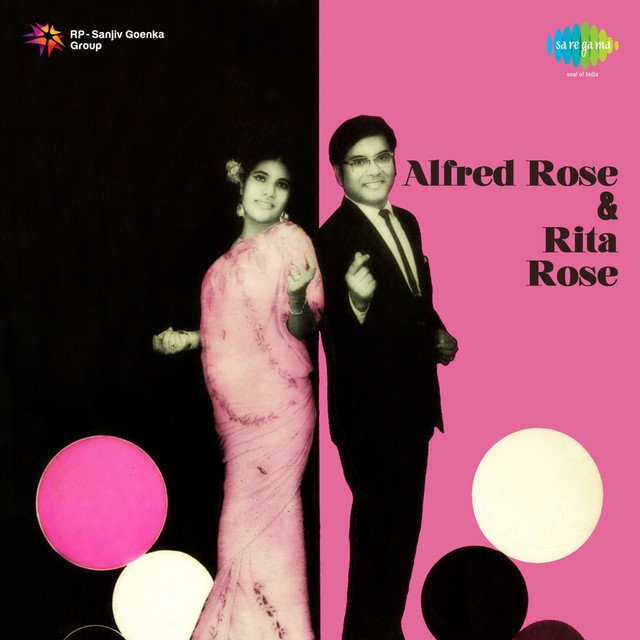
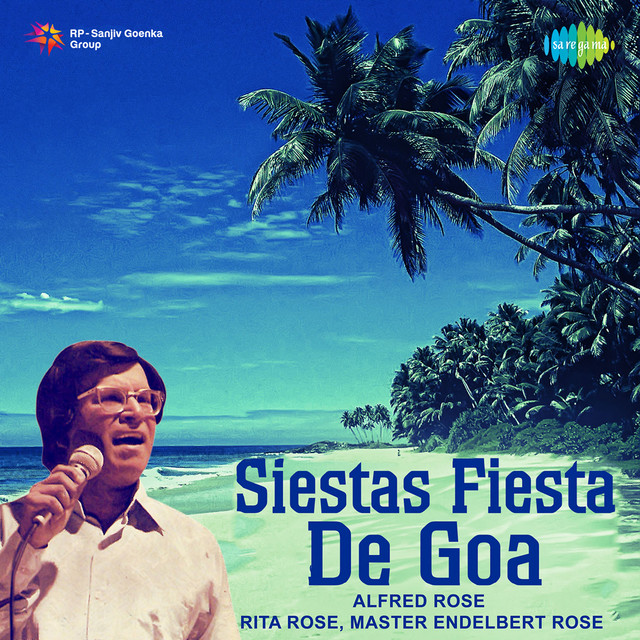
Key figures from the genre’s formative era are still celebrated as ambassadors of classic Konkani pop. Lorna Cordeiro, widely revered as the Nightingale of Konkani, rose to prominence in the 1960s and 1970s, delivering emotive vocal performances that helped popularize Konkani melodies beyond traditional folk circles. Her work exemplifies the emotional expressiveness that many listeners associate with classic Konkani pop. Remo Fernandes is another pivotal name: a boundary-crossing artist whose later work fused pop, rock, and world music with Konkani lyrics, bringing Goan music to audiences in India and across the globe. His international presence—alongside stage shows and collaborations in Europe and the Indian diaspora—made him a touchstone for what Konkani pop could become on a global stage. Alfred Rose, an early and influential Goan composer and performer, contributed a foundational voice to the genre with arrangements that blended Konkani lyricism with contemporary musical textures, helping to establish a modern, non-traditional soundscape for Konkani music.
Geographically, classic Konkani pop has been most popular in Goa and among Goan communities in coastal Karnataka and the wider Indian diaspora. It also found receptive audiences in Portugal—the country’s historical link to Goa—as well as in the United Kingdom, the Persian Gulf states, the United States, and East Africa, where Goan expatriates maintained linguistic and cultural ties through music. In contemporary terms, the genre’s legacy informs modern Konkani pop and Goan film music, serving as a touchstone for new artists who blend heritage with new production techniques.
For enthusiasts, exploring classic Konkani pop is an invitation to hear how Goan identity, Catholic and Hindu musical sensibilities, and Western pop forms converged in a distinctly local sound. Listen for the warmth of the voice, the clarity of Konkani lyrics, and the way familiar melodies carry a strong sense of place—Goa, then and now.
The sound of classic Konkani pop is characterized by bright guitar lines, upbeat drum patterns, and the occasional brass or accordion flourish, layered with lush keyboards and tasteful string arrangements. Melodies tend to be singable and memorable, often centered on themes of love, longing, home, and everyday Goan life. The diction remains intimate and conversational, so the listener feels drawn into a shared Goan experience even if they’re hearing it from abroad. The genre also borrowed storytelling techniques from folk and devotional Konkani songs, reinterpreting them through a modern, urban lens.
Key figures from the genre’s formative era are still celebrated as ambassadors of classic Konkani pop. Lorna Cordeiro, widely revered as the Nightingale of Konkani, rose to prominence in the 1960s and 1970s, delivering emotive vocal performances that helped popularize Konkani melodies beyond traditional folk circles. Her work exemplifies the emotional expressiveness that many listeners associate with classic Konkani pop. Remo Fernandes is another pivotal name: a boundary-crossing artist whose later work fused pop, rock, and world music with Konkani lyrics, bringing Goan music to audiences in India and across the globe. His international presence—alongside stage shows and collaborations in Europe and the Indian diaspora—made him a touchstone for what Konkani pop could become on a global stage. Alfred Rose, an early and influential Goan composer and performer, contributed a foundational voice to the genre with arrangements that blended Konkani lyricism with contemporary musical textures, helping to establish a modern, non-traditional soundscape for Konkani music.
Geographically, classic Konkani pop has been most popular in Goa and among Goan communities in coastal Karnataka and the wider Indian diaspora. It also found receptive audiences in Portugal—the country’s historical link to Goa—as well as in the United Kingdom, the Persian Gulf states, the United States, and East Africa, where Goan expatriates maintained linguistic and cultural ties through music. In contemporary terms, the genre’s legacy informs modern Konkani pop and Goan film music, serving as a touchstone for new artists who blend heritage with new production techniques.
For enthusiasts, exploring classic Konkani pop is an invitation to hear how Goan identity, Catholic and Hindu musical sensibilities, and Western pop forms converged in a distinctly local sound. Listen for the warmth of the voice, the clarity of Konkani lyrics, and the way familiar melodies carry a strong sense of place—Goa, then and now.