Genre
classic mandopop
Top Classic mandopop Artists
Showing 8 of 8 artists
1

李娜
China
4,650
12,517 listeners
2
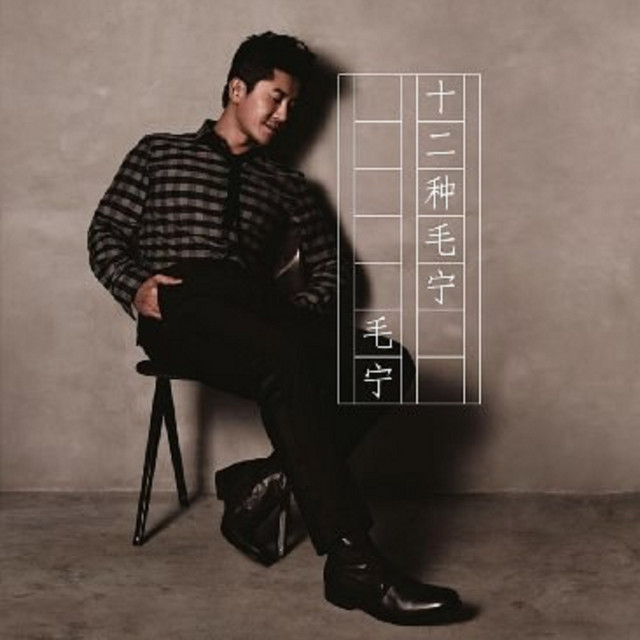
毛寧
2,274
8,579 listeners
3

謝雷
Taiwan
3,665
7,540 listeners
4

蘇來
Taiwan
852
1,190 listeners
5

陽帆
1,017
393 listeners
6

紀宏仁
418
274 listeners
8
張薔
241
- listeners
About Classic mandopop
Classic mandopop is the Mandarin-language strand of popular music that grew out of Taiwan’s mid‑to‑late 20th‑century pop scene, weaving together the torch‑ballad sensibility of Shanghai’s prewar pop era with the sleek production styles of Hong Kong cinema and the Western pop influences that swept across Asia. It is defined not only by language but by a distinct melodic intuition, intimate lyricism, and a vocal delivery capable of carrying whole emotional arcs within a single song. The genre thrives on memorable melodies, elegant arrangements, and a sense of storytelling that invites listeners to hitch a ride through romance, nostalgia, and everyday life.
Origins and birth: The roots reach back to the postwar Shanghai pop tradition, but Mandarin pop truly found its footing after entertainers migrated to Taiwan in the 1950s–60s. By the 1960s and 1970s, Mandarin language songs began to coalesce into a recognizable scene in Taiwan, Hong Kong, and beyond. The term Mandopop gained wide traction in the 1980s, as studios consolidated, record labels expanded, and composers and performers refined a signature sound: melodic ballads infused with Western pop chord progressions, gentle rock textures, and lush orchestration. The era most listeners call “classic mandopop” is anchored in the 1980s and 1990s, when intimate storytelling and polished production made the music universally accessible across Mandarin-speaking audiences.
Golden era and key names: The period was defined by singer‑songwriters and performers who treated Mandarin lyrics as a literary vehicle for personal and social reflection. Luo Dayou (罗大佑) helped fuse folk and rock with a candid sensibility, often described as the genre’s poet of Taiwan’s pop. Li Zongsheng (李宗盛) crafted countless enduring ballads with autobiographical depth and melodic clarity. Qi Qin (齐秦) delivered moody, aching love songs that became touchstones of the era. On the vocal front, Teresa Teng (邓丽君) was the incomparable ambassador—the quintessential voice of Mandarin romance whose warmth and clarity set a standard for phrasing and emotion across Asia. In the 1990s, artists like Sandy Lam (林忆莲) and Faye Wong (王菲) expanded the palette with urbane, experimental touches that kept classic mandopop vital even as pop tastes evolved.
Ambassadors and influence: Teresa Teng remains the touchstone for classic mandopop, her repertoire spanning gentle love songs and sweeping ballads that transcended regional borders. Luo Dayou, Li Zongsheng, Qi Qin, Sandy Lam, and Faye Wong are frequently cited as its architects and ambassadors, each expanding what mandopop could be—more literate, more melodic, more emotionally direct. The genre’s reach stretched beyond Taiwan to Mainland China, Hong Kong, Singapore, Malaysia, and the Chinese diaspora worldwide, where Mandarin-language pop became a shared cultural language.
Geography and popularity: Classic mandopop found its strongest audiences in Taiwan, Mainland China, Hong Kong, Singapore, and Malaysia. It nurtured a robust ecosystem of radio, television, and live venues, with Cantonese pop and other regional genres acting as complementary streams. Diaspora communities in North America, Europe, and Southeast Asia also kept the music alive, ensuring evergreen appeal through language-based nostalgia and cross-cultural collaborations.
Sound and lyricism: Expect piano‑driven melodies, tasteful string arrangements, acoustic guitars, and smooth, emotive vocals. Lyrics often center on love, longing, memory, and everyday humanity, delivered with sincerity that feels both intimate and universal. Classic mandopop remains a benchmark for melodic craftsmanship in Mandarin pop, a genre whose songs continue to be revisited, reinterpreted, and rediscovered by new generations of enthusiasts.
Origins and birth: The roots reach back to the postwar Shanghai pop tradition, but Mandarin pop truly found its footing after entertainers migrated to Taiwan in the 1950s–60s. By the 1960s and 1970s, Mandarin language songs began to coalesce into a recognizable scene in Taiwan, Hong Kong, and beyond. The term Mandopop gained wide traction in the 1980s, as studios consolidated, record labels expanded, and composers and performers refined a signature sound: melodic ballads infused with Western pop chord progressions, gentle rock textures, and lush orchestration. The era most listeners call “classic mandopop” is anchored in the 1980s and 1990s, when intimate storytelling and polished production made the music universally accessible across Mandarin-speaking audiences.
Golden era and key names: The period was defined by singer‑songwriters and performers who treated Mandarin lyrics as a literary vehicle for personal and social reflection. Luo Dayou (罗大佑) helped fuse folk and rock with a candid sensibility, often described as the genre’s poet of Taiwan’s pop. Li Zongsheng (李宗盛) crafted countless enduring ballads with autobiographical depth and melodic clarity. Qi Qin (齐秦) delivered moody, aching love songs that became touchstones of the era. On the vocal front, Teresa Teng (邓丽君) was the incomparable ambassador—the quintessential voice of Mandarin romance whose warmth and clarity set a standard for phrasing and emotion across Asia. In the 1990s, artists like Sandy Lam (林忆莲) and Faye Wong (王菲) expanded the palette with urbane, experimental touches that kept classic mandopop vital even as pop tastes evolved.
Ambassadors and influence: Teresa Teng remains the touchstone for classic mandopop, her repertoire spanning gentle love songs and sweeping ballads that transcended regional borders. Luo Dayou, Li Zongsheng, Qi Qin, Sandy Lam, and Faye Wong are frequently cited as its architects and ambassadors, each expanding what mandopop could be—more literate, more melodic, more emotionally direct. The genre’s reach stretched beyond Taiwan to Mainland China, Hong Kong, Singapore, Malaysia, and the Chinese diaspora worldwide, where Mandarin-language pop became a shared cultural language.
Geography and popularity: Classic mandopop found its strongest audiences in Taiwan, Mainland China, Hong Kong, Singapore, and Malaysia. It nurtured a robust ecosystem of radio, television, and live venues, with Cantonese pop and other regional genres acting as complementary streams. Diaspora communities in North America, Europe, and Southeast Asia also kept the music alive, ensuring evergreen appeal through language-based nostalgia and cross-cultural collaborations.
Sound and lyricism: Expect piano‑driven melodies, tasteful string arrangements, acoustic guitars, and smooth, emotive vocals. Lyrics often center on love, longing, memory, and everyday humanity, delivered with sincerity that feels both intimate and universal. Classic mandopop remains a benchmark for melodic craftsmanship in Mandarin pop, a genre whose songs continue to be revisited, reinterpreted, and rediscovered by new generations of enthusiasts.